
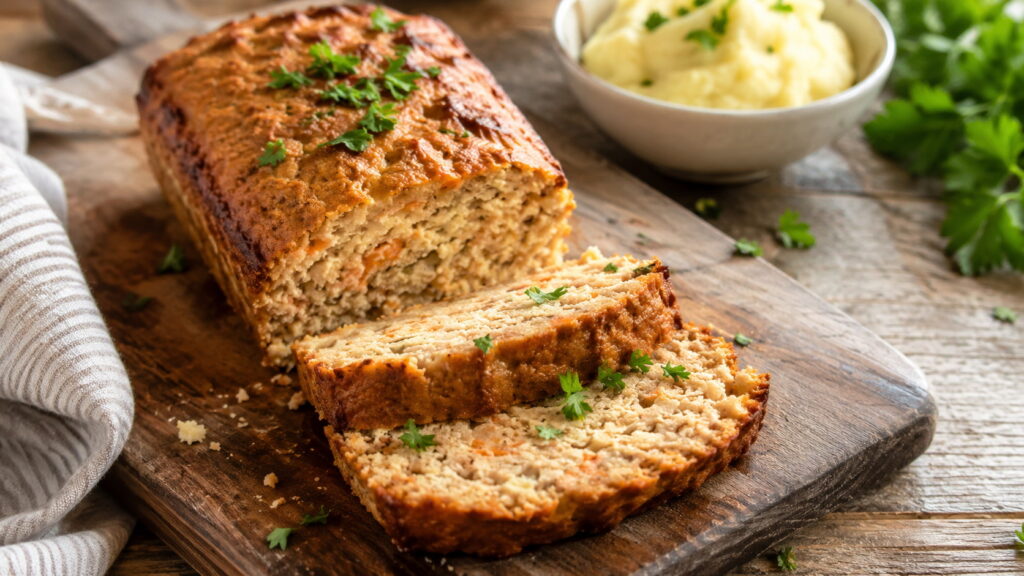
Old fashioned canned salmon and rice loaf recipe is one of those timeless dishes that proves simple ingredients can still deliver incredible comfort and flavor. This budget-friendly classic transforms pantry staples into a moist, savory loaf that’s perfect for weeknight dinners or make-ahead meals.
This guide walks you through everything you need to succeed—from choosing the right canned salmon and balancing moisture, to baking techniques, flavor variations, and storage tips. Expect practical advice, clear steps, and helpful insights so your salmon loaf turns out tender, sliceable, and full of flavor every time.
In This Article
Why This Old Fashioned Canned Salmon and Rice Loaf Recipe Still Works Today
Canned salmon recipes are making a comeback, and this salmon and rice loaf is leading the way. It’s affordable, protein-rich, and easy to prepare without sacrificing taste.
Unlike salmon patties, which are pan-fried and sometimes dry, this loaf bakes gently in the oven. The result is a soft, cohesive texture that slices cleanly and stays moist inside. Rice acts as both filler and structure, absorbing flavors while keeping the loaf tender.
Many home cooks also appreciate how flexible this dish is. It works well with leftovers, adapts to dietary needs, and can be served warm or cold. That kind of versatility is rare in such a simple recipe.
Why people love this recipe:
- Uses pantry staples you likely already have
- Budget-friendly and family-sized
- Easy to customize with herbs, vegetables, or sauces
- Great for meal prep and leftovers
What You’ll Need for the Perfect Old Fashioned Canned Salmon and Rice Loaf Recipe
Ingredients Overview
Getting the balance right starts with understanding each ingredient’s role. Every component contributes to texture, flavor, or structure.
Core Ingredients:
- Canned salmon (14–15 oz / 400–425g): The main protein; provides flavor and healthy fats
- Cooked rice (1½–2 cups): Adds bulk and keeps the loaf soft
- Eggs (2 large): Bind everything together
- Breadcrumbs or crushed crackers (½–¾ cup): Help firm up the loaf
- Milk or cream (¼–½ cup): Adds moisture and richness
- Onion (finely chopped): Builds flavor depth
- Celery (optional, finely chopped): Adds subtle crunch and freshness
- Salt and black pepper: Essential seasoning
- Fresh parsley or dill (optional): Brightens the overall flavor
Ingredient Tips That Make a Difference
Choose the right canned salmon:
Look for wild-caught varieties when possible. They tend to have better flavor and texture.
Bones or no bones?
Soft bones in canned salmon are edible and rich in calcium. Mash them into the mixture for added nutrition, or remove them if you prefer a smoother texture.
Rice matters more than you think:
- Slightly cooled, day-old rice works best
- Avoid overly wet rice—it can make the loaf mushy
- Brown rice adds a nuttier flavor, while white rice keeps it classic
Moisture balance tip:
Too much liquid leads to a soggy loaf, while too little creates dryness. Aim for a mixture that feels soft but holds its shape when pressed.
Ingredient Swaps & Smart Substitutions (Without Losing That Old-Fashioned Flavor)
Flexibility is one of the biggest strengths of this old fashioned canned salmon and rice loaf recipe. Simple swaps allow you to adjust for dietary needs or pantry limitations without sacrificing results.
Smart Substitutions
Gluten-Free Options:
- Replace breadcrumbs with gluten-free breadcrumbs or rolled oats
- Crushed rice crackers also work well
Dairy-Free Alternatives:
- Use unsweetened plant-based milk (like oat or almond)
- Add a teaspoon of olive oil for extra richness if needed
Low-Carb Variation:
- Swap rice with finely chopped or lightly cooked cauliflower rice
- Reduce liquid slightly since cauliflower releases moisture
Egg-Free Binding Options:
- Use a flax egg (1 tbsp flaxseed + 2.5 tbsp water)
- Mashed potatoes can also help hold the loaf together
Fresh Salmon Instead of Canned:
- Cook and flake about 2 cups of fresh salmon
- Season slightly more, since canned salmon is naturally salted
Flavor Boosting Swaps
Small changes can elevate the dish without losing its traditional feel:
- Add lemon zest for brightness
- Mix in a teaspoon of Dijon mustard for depth
- Use green onions instead of regular onions for a milder taste
Each substitution works best when you keep the overall texture in mind. The goal is always the same: a mixture that binds well, stays moist, and slices cleanly after baking.
Step-by-Step: How to Make Old Fashioned Canned Salmon and Rice Loaf
A successful old fashioned canned salmon and rice loaf recipe comes down to proper mixing, balanced moisture, and steady baking. Follow these steps closely for a loaf that holds together and slices beautifully.
Preparation
Prep time: 15 minutes
Cook time: 45–55 minutes
Total time: About 1 hour 10 minutes
Servings: 4–6
What to do first:
- Preheat oven to 180°C (350°F)
- Lightly grease a standard loaf pan (8×4 or 9×5 inch)
- If needed, cook rice ahead of time and let it cool
Helpful equipment:
- Mixing bowl
- Fork (for flaking salmon)
- Loaf pan
- Spatula or spoon
Mixing the Loaf
- Drain canned salmon and place it in a large bowl
- Flake the salmon with a fork, removing skin and bones if desired
- Add cooked rice, chopped onion, celery, and herbs
- In a separate bowl, whisk eggs with milk
- Pour the egg mixture into the salmon mixture
- Add breadcrumbs, salt, and pepper
Gently mix everything until combined.
Important:
Avoid overmixing. The mixture should feel moist, slightly sticky, and hold together when pressed.
Shaping and Baking Instructions
- Transfer the mixture into the prepared loaf pan
- Press it down lightly to remove air pockets
- Smooth the top for even baking
Bake at 180°C (350°F) for 45–55 minutes
How to Know It’s Done
- The top is lightly golden and firm
- Edges slightly pull away from the pan
- Internal temperature reaches 63°C (145°F)
- A knife inserted in the center comes out mostly clean
Let the loaf rest for 10 minutes before slicing. This step helps it firm up and prevents crumbling.
The Secret to a Moist, Flavorful Salmon and Rice Loaf (Pro Tips)
Great texture is what separates a dry salmon loaf from a memorable one. Small adjustments make a big difference.
Balance Moisture Like a Pro
- Rice absorbs liquid, so enough moisture is essential
- Eggs and milk create structure and softness
- If the mixture feels dry, add 1–2 tablespoons milk
Perfect consistency: Soft, slightly sticky, but not runny
Build Flavor in Layers
Old fashioned doesn’t have to mean bland. Subtle additions enhance taste without overpowering the dish.
Try adding:
- Lemon zest for freshness
- Fresh dill or parsley for brightness
- A touch of mustard for depth
Texture Control Tips
- Finely chop vegetables to avoid uneven texture
- Use day-old rice to prevent excess moisture
- Let the loaf rest before slicing to keep it intact
Pro tip: A light brush of melted butter on top before baking creates a more flavorful crust.
Common Mistakes That Ruin Salmon Loaf (And How to Avoid Them)
Even a simple old fashioned canned salmon and rice loaf recipe can go wrong without the right technique. Here’s how to avoid the most common issues.
Quick Troubleshooting Guide
| Problem | Cause | Fix |
| Dry, crumbly loaf | Not enough liquid or eggs | Add more milk or an extra egg |
| Mushy texture | Too much liquid or wet rice | Reduce milk, use drier rice |
| Strong fishy taste | Low-quality salmon or too much skin | Use better canned salmon, remove skin |
| Falls apart when slicing | Not enough binder or cut too early | Add more breadcrumbs or let rest longer |
| Undercooked center | Oven too hot or loaf too thick | Bake longer at steady temperature |
Extra Tips to Stay on Track
- Do not skip the resting time after baking
- Keep ingredient ratios balanced—guessing often leads to texture issues
- Avoid packing the loaf too tightly, which can make it dense
Understanding these pitfalls makes a big difference. Once you get the balance right, this dish becomes reliable, repeatable, and consistently satisfying.
Delicious Variations of Old Fashioned Canned Salmon and Rice Loaf Recipe
Once you’ve mastered the base, this old fashioned canned salmon and rice loaf recipe becomes incredibly versatile. Small changes in seasoning or add-ins can completely transform the flavor while keeping the comforting texture intact.
Southern-Style Salmon and Rice Loaf
Adds warmth and depth with classic Southern ingredients:
- Finely chopped bell peppers
- A pinch of paprika or cayenne
- Optional splash of hot sauce
This version pairs beautifully with creamy sides like mashed potatoes.
Creamy Baked Salmon Loaf
Perfect if you enjoy a softer, richer finish:
- Pour a light white sauce or cream mixture over the loaf before baking
- Add an extra 2–3 tablespoons milk to the base mixture
Result: a more tender, almost casserole-like texture.
Cheesy Comfort Version
A family favorite that adds richness:
- Mix in ½–1 cup shredded cheese (cheddar or mozzarella)
- Sprinkle a little cheese on top for a golden crust
Tip: Reduce salt slightly since cheese adds saltiness.
Mediterranean-Inspired Twist
Bright, herb-forward, and slightly lighter:
- Add chopped parsley, dill, and a bit of garlic
- Mix in a squeeze of lemon juice
- Optional: small amount of crumbled feta
This version tastes fresh and pairs well with salads.
Vegetable-Packed Variation
Boost nutrition and texture:
- Add grated carrots, zucchini (squeezed dry), or spinach
- Keep additions finely chopped to maintain structure
Important: Remove excess moisture from vegetables to avoid a soggy loaf.
What to Serve with Salmon and Rice Loaf (Complete Meal Ideas)
A well-chosen side dish turns this old fashioned canned salmon and rice loaf recipe into a complete, satisfying meal. The goal is to balance its savory richness with something fresh or creamy.
Classic Comfort Pairings
- Mashed potatoes with butter or light gravy
- Steamed green beans or peas
- Roasted carrots or simple corn
These options enhance the nostalgic, home-cooked feel of the dish.
Light & Fresh Sides
- Crisp green salad with vinaigrette
- Cucumber salad with a tangy dressing
- Lightly steamed broccoli or asparagus
Fresh sides help cut through the richness of the loaf.
Sauces That Elevate Flavor
A good sauce can completely change the experience:
- Tartar sauce for a classic seafood pairing
- Lemon butter sauce for brightness
- Dill yogurt sauce for a fresh, creamy finish
Simple Beverage Pairings
- Iced tea or lemon water for a refreshing contrast
- Light white tea or herbal drinks to keep the meal balanced
For food safety when serving and storing leftovers, follow guidelines from the
USDA: https://www.usda.gov/food-safety
Make-Ahead, Storage, and Reheating Tips for Busy Cooks
This recipe is ideal for planning ahead. Proper storage keeps the loaf flavorful and safe to eat.
Make-Ahead Tips
- Prepare the mixture up to 24 hours in advance
- Cover and refrigerate before baking
- Let it sit at room temperature for 10–15 minutes before baking
This helps ensure even cooking.
Storage Guidelines
- Store leftovers in an airtight container
- Refrigerate for up to 3–4 days
- Slice before storing for easy reheating
Tip: Keep slices separated with parchment paper to prevent sticking.
Freezing Instructions
You can freeze both baked and unbaked versions:
Before baking:
- Wrap tightly in plastic wrap and foil
- Freeze for up to 2 months
- Thaw overnight in the fridge before baking
After baking:
- Cool completely
- Slice and freeze portions individually
Best Reheating Methods
Oven (best for texture):
- Cover with foil
- Heat at 160°C (325°F) for 15–20 minutes
Microwave (quick option):
- Heat in short intervals (1–2 minutes)
- Add a splash of water or milk to prevent drying
Pro tip: Avoid overheating, which can dry out the loaf and affect flavor.
Is Old Fashioned Canned Salmon and Rice Loaf Healthy?
This old fashioned canned salmon and rice loaf recipe offers more than comfort—it delivers solid nutrition when prepared thoughtfully. Canned salmon is naturally rich in high-quality protein and omega-3 fatty acids, which support heart and brain health.
What Makes It Nutritious
- Protein-rich: Helps with satiety and muscle maintenance
- Omega-3 fats: Support cardiovascular health
- Calcium boost: Especially if soft bones are included
- Balanced meal base: Combines protein, carbs, and fats
Estimated Nutrition (Per Serving)
| Nutrient | Approximate Amount |
| Calories | 250–320 kcal |
| Protein | 18–22 g |
| Carbohydrates | 18–25 g |
| Fat | 10–14 g |
| Calcium | 10–20% DV |
Values vary based on ingredients and portion size.
How to Make It Lighter
- Use low-fat milk instead of cream
- Reduce breadcrumbs slightly and increase vegetables
- Swap white rice for brown rice for added fiber
- Limit added salt if your canned salmon is already seasoned
A few small tweaks can turn this dish into a more balanced, nutrient-dense meal without losing its comforting appeal.
FAQs About Old Fashioned Canned Salmon and Rice Loaf Recipe
Can I use uncooked rice in this recipe?
No. Uncooked rice will not soften properly during baking and can leave the loaf hard or uneven. Always use fully cooked rice.
Do I need to remove bones from canned salmon?
Soft bones are edible and rich in calcium. Mash them into the mixture for added nutrition, or remove them if you prefer a smoother texture.
Why is my salmon loaf mushy?
Too much liquid or overly moist rice is usually the cause. Reduce milk slightly and make sure your rice is not wet.
How do I keep the loaf from falling apart?
Use enough binding ingredients like eggs and breadcrumbs. Letting the loaf rest for 10 minutes after baking also helps it firm up before slicing.
Can I make this recipe without eggs?
Yes. A flax egg or mashed potatoes can help bind the mixture, though the texture may be slightly softer.
How long does salmon loaf last in the fridge?
Properly stored in an airtight container, it will last 3–4 days in the refrigerator.
Can I freeze salmon and rice loaf?
Yes. Freeze it either before or after baking. Wrap tightly and store for up to 2 months for best quality.
Bringing Back a Timeless Salmon and Rice Loaf Recipe
Old fashioned canned salmon and rice loaf recipe proves that simple, affordable ingredients can still create something deeply satisfying. With the right balance of moisture, seasoning, and technique, this dish becomes reliable, comforting, and surprisingly versatile.
Try it once as written, then make it your own with herbs, vegetables, or a favorite sauce. Save it for busy weeknights, meal prep days, or when you want something warm and nostalgic without much effort.
Give this recipe a place in your rotation, and don’t forget to share it or bookmark it for later—you might be surprised how often you come back to it.
