
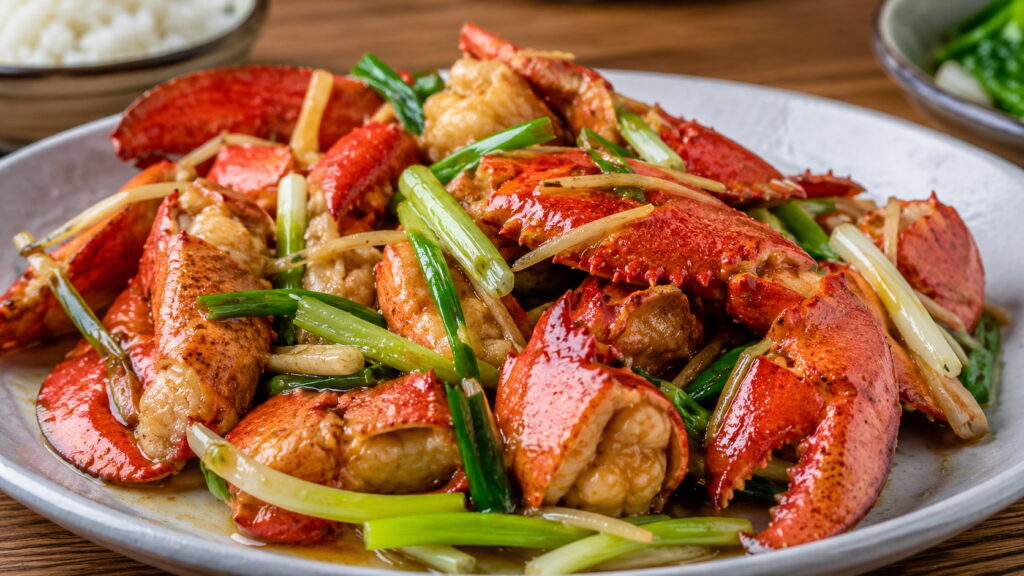
Lobster with green onion and ginger is a fragrant, restaurant-style seafood dish that brings together sweet, tender lobster, fresh ginger, and aromatic scallions in a savory sauce. The combination cooks quickly, making the recipe especially appealing when you want an impressive main course without spending hours in the kitchen.
The key to great lobster with green onion and ginger is controlling the heat and cooking time. Lobster needs enough heat to develop flavor and finish cooking properly, but too much time in the pan can turn the meat tough and rubbery. Fresh ginger and green onion also need careful handling so their bright, aromatic qualities remain noticeable.
This guide covers everything needed to make the dish successfully, including how to choose and prepare lobster, build the ginger-scallion sauce, keep the meat tender, avoid common mistakes, adapt the ingredients, and serve the finished lobster with complementary sides.
In This Article
Lobster With Green Onion and Ginger: A Fragrant Asian-Style Favorite
Lobster has a naturally sweet, delicate flavor, so the best sauces enhance rather than overwhelm the seafood. Fresh ginger brings gentle heat and citrus-like brightness, while green onion adds a clean allium flavor that becomes both savory and slightly sweet when cooked.
The sauce traditionally leans toward a savory, glossy profile. Soy sauce contributes salt and umami, oyster sauce adds depth, Shaoxing wine provides a subtle fermented aroma, and a small amount of sugar rounds out the flavors. Sesame oil added near the end gives the finished dish a fragrant final note.
Why lobster, ginger, and green onion work so well together
The three main ingredients have distinctly different roles:
- Lobster provides naturally sweet, rich seafood flavor.
- Fresh ginger cuts through the richness and adds warmth.
- Green onion contributes freshness and savory aroma.
- Soy sauce brings salt and umami.
- Oyster sauce creates a deeper, slightly sweet savory character.
- Shaoxing wine adds complexity to the sauce.
- Sesame oil provides a concentrated nutty aroma at the finish.
High-heat cooking is especially useful here because the lobster can develop lightly browned edges while the aromatics become intensely fragrant. A wok works beautifully, although a large, heavy skillet can produce excellent results too.
What makes this recipe different from simply sautéing lobster?
The cooking process is more about layering flavor than covering the lobster with a heavy sauce. Lobster gets a quick sear first, followed by ginger and the white parts of the green onion. The sauce then goes into the pan, allowing the seafood to absorb some of the savory aromatics while remaining the star of the dish.
The goal is tender lobster coated in a thin, glossy sauce—not lobster swimming in gravy.
What Makes This Lobster With Green Onion and Ginger Recipe So Flavorful?
The flavor comes from a relatively short ingredient list, but technique makes a significant difference. Each component should be added at the right stage so the final dish tastes layered rather than flat.
Fresh ginger adds brightness and warmth
Fresh ginger is one of the defining ingredients. Thinly sliced or julienned ginger releases its aroma quickly when exposed to hot oil, creating a warm fragrance that pairs naturally with seafood.
Avoid using an excessive amount of ginger. Too much can dominate the delicate lobster. About 1 to 2 tablespoons of finely sliced fresh ginger is generally enough for a recipe serving four, depending on personal preference.
Fresh ginger is strongly preferred over dried ground ginger. Ground ginger lacks the juicy, aromatic quality needed for this style of seafood dish.
Green onions bring two layers of flavor
Green onions are best divided according to their color.
The white and pale-green portions can go into the hot pan with the ginger because they are more robust and benefit from direct cooking. The dark-green tops are better added toward the end, preserving their fresh color and lighter onion aroma.
Such a small technique can make the finished lobster taste noticeably fresher.
A balanced sauce keeps the lobster at the center
A good sauce should taste savory, aromatic, lightly sweet, and balanced. Soy sauce supplies salt, while oyster sauce provides body and depth. Shaoxing wine adds complexity, and sugar prevents the savory ingredients from tasting harsh.
A small amount of stock or water helps distribute the seasonings around the lobster. Cornstarch can be used to create the characteristic glossy coating.
Taste the sauce before adding extra soy sauce. Oyster sauce and soy sauce both contribute salt, so adding more automatically can easily make the dish too salty.
Why high heat matters
A properly heated wok or skillet helps the lobster cook quickly while allowing the aromatics to release their oils and fragrance.
Heat also matters because overcrowding the pan can cause lobster to release moisture rather than sear. Working in batches is preferable when necessary.
For home cooking, aim for medium-high to high heat during the initial searing stage, then reduce the heat slightly once the sauce and lobster are combined.
Ingredients You’ll Need for Lobster With Green Onion and Ginger
The ingredient list below creates approximately 4 servings as a main course when served with rice and vegetables.
Lobster
- 2 whole lobsters, about 1¼ to 1½ pounds each, cleaned and cut into pieces
or approximately 2 to 2½ pounds lobster tails and claw meat - 2 tablespoons cornstarch, optional, for a light coating
- 2 to 3 tablespoons neutral cooking oil
Whole lobster provides a mixture of claw, body, and tail meat, giving the dish different textures. Lobster tails are easier to prepare and can be more convenient when whole lobster is unavailable.
Aromatics
- 2 tablespoons fresh ginger, thinly sliced or julienned
- 4 to 5 green onions, cut into 2-inch pieces
- 2 garlic cloves, finely minced, optional
Fresh ginger and green onion should be prepared before cooking begins. The actual cooking moves quickly, so stopping to chop ingredients while the wok is already hot can lead to burned aromatics or overcooked lobster.
Savory ginger-scallion sauce
- 2 tablespoons light soy sauce
- 1 tablespoon oyster sauce
- 1 tablespoon Shaoxing wine
- 1 teaspoon granulated sugar
- ½ cup seafood stock or water
- 1 teaspoon toasted sesame oil
- 1 teaspoon cornstarch mixed with 1 tablespoon cold water
The cornstarch slurry is optional but recommended if you want a sauce that clings closely to the lobster.
Ingredient notes
Light soy sauce: Use regular light soy sauce rather than dark soy sauce when possible. Dark soy sauce is primarily useful for color and can make the sauce heavier and saltier than intended.
Oyster sauce: Choose a good-quality oyster sauce with a balanced savory-sweet flavor. The ingredient adds depth without requiring a large quantity.
Shaoxing wine: Shaoxing wine contributes a characteristic Chinese cooking-wine aroma. If unavailable, dry sherry is a practical substitute.
Seafood stock: Seafood stock gives the sauce additional depth, but water works perfectly well when a lighter flavor is preferred.
Cornstarch: A small amount creates a smooth, glossy coating. Too much can make the sauce thick and sticky instead of silky.
Quick recipe snapshot
| Detail | Amount |
| Servings | 4 |
| Prep time | About 20 minutes |
| Cooking time | About 12–15 minutes |
| Total time | About 35 minutes |
| Main cooking method | Wok or large skillet |
| Heat | Medium-high to high |
| Best served | Immediately |
Kitchen equipment: A large wok or heavy skillet, sharp knife, cutting board, small mixing bowl, measuring spoons, tongs or a wok spatula, and a meat thermometer if desired.
For seafood safety guidance, the USDA Food Safety and Inspection Service seafood guidance is a useful reference for safe handling and cooking practices.
Key takeaway: Prepare every ingredient before turning on the heat. Once the lobster enters the hot pan, the cooking process moves quickly, and having the ginger, green onions, sauce, and cornstarch slurry ready makes a much better result almost effortless.
Choosing and Preparing the Lobster Before You Cook
Good lobster with green onion and ginger starts with properly prepared seafood. Fresh lobster has a naturally sweet aroma and firm flesh, while poorly handled lobster can develop an unpleasant smell or mushy texture before cooking even begins.
Whole lobster vs. lobster tails
Whole lobster is an excellent choice when you want a traditional restaurant-style presentation and a mixture of tail, claw, and body meat. The shell also contributes flavor to the sauce during cooking.
Lobster tails offer convenience. They require less preparation and produce larger pieces of meat that are easy to portion. Claw meat can be added separately if available.
| Lobster option | Advantages | Best use |
| Whole lobster | More varied textures and richer shell flavor | Traditional family-style dish |
| Lobster tails | Easier preparation and portioning | Quick weeknight cooking |
| Pre-cleaned lobster pieces | Fastest option | Convenient home cooking |
| Frozen lobster | Available year-round | When fresh lobster isn’t practical |
How to choose fresh lobster
Look for lobster with a clean, fresh seafood aroma rather than a strong ammonia-like smell. Whole live lobster should be lively and responsive, while refrigerated lobster meat should have firm flesh and a clean appearance.
Avoid lobster that smells strongly of ammonia, feels unusually slimy, or has discolored meat.
Frozen lobster can also work well. Thaw frozen lobster slowly in the refrigerator rather than leaving it at room temperature. Once thawed, drain and pat the meat thoroughly dry with paper towels.
How to clean and cut whole lobster
Whole lobster needs to be divided into manageable pieces before stir-frying. A sturdy, sharp chef’s knife or seafood cleaver makes the process considerably easier.
- Place the lobster on a stable cutting board and follow appropriate seafood-handling practices.
- Separate the claws and tail from the body.
- Crack the claws lightly so the shell becomes easier to eat after cooking.
- Cut the tail into several crosswise sections or split it according to the size of the lobster.
- Remove any unwanted portions according to your preferred preparation.
- Rinse only when necessary, then dry every piece thoroughly with paper towels.
- Set the prepared lobster aside while the aromatics and sauce are assembled.
Cutting the lobster into smaller pieces allows the shell and meat to cook more evenly. Smaller pieces also make the finished dish easier to eat with chopsticks or seafood utensils.
Should lobster be coated with cornstarch?
A light dusting of cornstarch is optional but useful. The coating helps protect the exposed meat during high-heat cooking and encourages a lightly crisp exterior. More importantly, the starch helps the finished sauce cling to the lobster.
Use only enough cornstarch to create a thin coating.
Heavy breading is not appropriate for this recipe. The lobster should still taste and feel like lobster rather than fried seafood.
How to Make Lobster With Green Onion and Ginger Step by Step
Once the lobster is prepared, the actual cooking goes quickly. Have every ingredient measured and positioned beside the stove before heating the wok or skillet.
Step 1: Prepare the sauce and aromatics
Combine the soy sauce, oyster sauce, Shaoxing wine, sugar, and seafood stock or water in a small bowl.
Mix the cornstarch with cold water separately to create a smooth slurry. Keep the slurry nearby because cornstarch settles quickly.
Slice the ginger into thin matchsticks or narrow slices. Cut the green onions into approximately 2-inch pieces, keeping the white and green portions separate.
Do not add cornstarch directly to the hot pan. Mixing it with cold water first prevents stubborn lumps.
Step 2: Lightly coat the lobster
Place the prepared lobster pieces in a bowl and sprinkle lightly with cornstarch.
Toss gently until the meat has a thin, even coating. Shake off excess starch before cooking.
A very light coating is enough. Thick layers can make the sauce gummy and interfere with the natural sweetness of the lobster.
Step 3: Heat the wok or skillet
Place a large wok or heavy skillet over medium-high to high heat.
Add the neutral cooking oil once the pan is hot. The oil should shimmer but should not be smoking heavily.
Add the lobster pieces in a single layer where possible. Work in batches if the pan is too crowded.
Step 4: Sear the lobster
Cook the lobster for roughly 2 to 3 minutes per side, depending on the size of the pieces.
Look for lightly browned edges and meat that is beginning to turn opaque. The lobster does not need to be fully cooked at this stage because it will finish in the sauce.
Remove the lobster to a clean plate if the pan becomes crowded or if the pieces are browning faster than they are cooking internally.
Avoid trying to fully cook the lobster during the first sear. Finishing the seafood in the sauce helps distribute flavor while reducing the risk of dry meat.
Step 5: Bloom the ginger and green onion
Add another small splash of oil if the pan looks dry.
Add the sliced ginger, minced garlic if using, and the white portions of the green onion.
Stir-fry for approximately 30 to 60 seconds, just until the ginger becomes highly fragrant.
Keep the aromatics moving. Burned ginger can taste bitter and will overpower the delicate seafood.
Step 6: Return the lobster and add the sauce
Return the partially cooked lobster to the wok or skillet.
Pour the prepared sauce around the lobster rather than directly over one single piece. Toss or stir gently to distribute the liquid.
Allow the mixture to bubble for approximately 2 to 4 minutes, adjusting the heat as needed.
The shell will begin contributing flavor to the sauce while the lobster finishes cooking.
Step 7: Thicken the sauce
Stir the cornstarch slurry again immediately before using it.
Add a small amount to the simmering sauce while tossing the lobster. Continue cooking for approximately 30 to 60 seconds, adding more slurry only if necessary.
The finished sauce should look glossy and lightly coat the lobster.
Stop adding slurry as soon as the desired consistency is reached. The sauce will continue thickening slightly as it cools.
Step 8: Finish with green onion and sesame oil
Add the green portions of the green onions during the final moments of cooking.
Toss gently for about 20 to 30 seconds. Finish with the toasted sesame oil.
Turn off the heat as soon as the lobster is cooked through and the sauce coats the pieces.
Transfer the lobster to a serving dish immediately.
How to tell when the lobster is done
Proper doneness matters more than following an exact cooking time because lobster pieces vary considerably in size.
Look for:
- Opaque white meat rather than translucent flesh
- Firm but tender texture
- Meat that separates cleanly from the shell
- A fully heated center
- No raw, translucent portion in the thickest section
A food thermometer can provide an additional check. Lobster should reach a safe internal temperature appropriate for shellfish, while avoiding prolonged cooking beyond the point of doneness.
A practical cooking timeline
| Stage | Approximate time |
| Prepare lobster and ingredients | 15–20 minutes |
| Sear lobster | 4–6 minutes |
| Cook ginger and aromatics | 30–60 seconds |
| Simmer lobster in sauce | 2–4 minutes |
| Thicken and finish | 1–2 minutes |
| Total cooking time | About 8–13 minutes |
Exact timing will depend on the size of the lobster pieces, the pan, and the heat level.
The Key to Tender, Juicy Lobster Instead of Tough Meat
The biggest challenge with lobster is finding the narrow window between undercooked and overcooked meat. Lobster contains delicate proteins that become increasingly firm as heat continues to work through the flesh.
Use high heat, but keep the cooking window short
High heat helps develop flavor quickly, but high heat does not mean lobster should stay in the pan for a long time.
Searing should be brief, followed by a short simmer in the sauce. Once the thickest piece is opaque and firm, remove the pan from the heat.
Long, aggressive simmering is one of the easiest ways to turn lobster rubbery.
Avoid overcrowding
Too many lobster pieces packed tightly into a small skillet lower the pan temperature. Instead of searing, the seafood begins releasing moisture and steaming.
A large wok or skillet is ideal. When necessary, sear the lobster in two batches and return everything to the pan once the sauce is ready.
Let the sauce finish the cooking
Partially searing the lobster before returning it to the sauce gives you better control over doneness.
The sauce should simmer gently enough to finish the lobster without boiling it aggressively. Gentle bubbling is sufficient once the lobster has been seared.
Pay attention to texture, not just time
Cooking times are useful estimates, but lobster size varies too much for one universal number.
Thin tail pieces can finish quickly, while thick claw or body sections may need additional time. Check the thickest piece rather than assuming every piece is ready simultaneously.
Tender lobster should feel firm and springy, not hard or rubbery.
Don’t forget residual heat
Lobster continues cooking briefly after leaving the burner. Taking the wok off the heat as soon as the seafood reaches doneness helps preserve a juicy texture.
Serve the lobster with green onion and ginger promptly while the sauce is still glossy and aromatic.
How to Get That Glossy Restaurant-Style Ginger and Green Onion Sauce
The sauce is what ties the lobster, ginger, and scallions together. A good ginger and green onion sauce should be savory and aromatic with a subtle sweetness, while remaining light enough to let the lobster’s natural flavor shine.
Build the sauce in layers
Rather than adding every ingredient randomly, build flavor in a deliberate order.
Ginger and garlic go into hot oil first, allowing their aromas to bloom. The white portions of the green onions follow because they can withstand direct heat. Soy sauce, oyster sauce, Shaoxing wine, sugar, and stock then create the savory liquid base.
Keep the green onion tops out of the pan until the end. Their fresh flavor and color are much better preserved with brief cooking.
Get the consistency right
A restaurant-style sauce should cling lightly to the lobster without becoming thick like gravy.
The cornstarch slurry provides the glossy finish. Add the slurry gradually while the sauce is gently bubbling, then toss the lobster continuously so the sauce distributes evenly.
A properly thickened sauce should:
- Coat the back of a spoon lightly
- Cling to the lobster shell and meat
- Look shiny rather than cloudy
- Remain fluid enough to move around the pan
- Avoid forming a heavy, sticky layer
If the sauce becomes too thick, add a tablespoon or two of water or seafood stock and toss over low heat.
How to balance the flavor
Taste the sauce before making final adjustments.
Too salty: Add a small splash of stock or water and a tiny amount of sugar.
Too sweet: Add a little soy sauce or a few drops of Shaoxing wine.
Too strong: Add additional stock or water to dilute the concentrated seasonings.
Too thin: Simmer briefly, then add a small amount of additional cornstarch slurry.
Too heavy: Add fresh green onion tops and a little ginger near the end to brighten the flavor.
Avoid correcting the sauce with large amounts of one ingredient. Small adjustments are easier to control, especially because the lobster itself contributes sweetness and flavor as the dish cooks.
Why sesame oil belongs at the end
Toasted sesame oil has an intense aroma and does not need prolonged cooking.
Adding roughly 1 teaspoon near the end gives the lobster a warm, nutty fragrance without allowing the flavor to become harsh.
Use neutral oil for searing and sesame oil primarily as a finishing ingredient.
Common Mistakes That Can Ruin Lobster With Green Onion and Ginger
A few seemingly minor mistakes can make a noticeable difference in the finished dish. Most problems come from excessive moisture, excessive cooking, or an unbalanced sauce.
Starting with a cold pan
A cold pan prevents the lobster from searing properly and can cause the seafood to release moisture before browning.
Preheat the wok or skillet thoroughly before adding the oil and lobster.
Overcrowding the wok
Crowding lowers the cooking temperature and makes browning difficult. Lobster pieces should have enough room to contact the hot surface.
Cook in batches when necessary. The extra few minutes are worthwhile.
Overcooking the lobster
Rubbery lobster usually means the seafood stayed over heat too long.
Sear briefly, finish in the sauce, and remove the pan from the burner as soon as the thickest lobster pieces are opaque and cooked through.
Burning the ginger and garlic
Ginger and garlic need only a short time in hot oil.
Once the ginger becomes fragrant, move quickly to the next step. Burned aromatics can introduce bitterness that no amount of extra sauce can completely hide.
Adding all the green onions at once
Green onion whites and green tops behave differently.
The whites benefit from brief stir-frying, while the green tops are best used as a fresh finishing ingredient. Cooking everything together for several minutes can leave the scallions limp and dull.
Using too much sauce
Lobster has a naturally sweet and delicate flavor. Excessive sauce can bury the seafood beneath salty, heavy flavors.
Start with the recommended amounts and adjust after tasting.
Adding too much cornstarch
A thick, sticky sauce is difficult to fix.
Always mix cornstarch with cold water first and add the slurry gradually. The sauce should remain glossy and fluid rather than gelatinous.
Failing to dry the lobster
Water on the surface of the lobster creates steam when it hits the hot pan.
Pat lobster pieces very dry before coating or searing. Dry surfaces brown more effectively and help the sauce adhere.
Easy Ingredient Swaps and Flavor Variations
Lobster with green onion and ginger is flexible enough to adapt to what you have available without losing the character of the dish.
Use lobster tails instead of whole lobster
Lobster tails are the simplest substitute for whole lobster. Cut larger tails into sections so the pieces cook evenly.
Tail meat has a firm, substantial texture and works particularly well with the glossy ginger-scallion sauce.
Substitute frozen lobster
Frozen lobster is a practical option when fresh lobster isn’t readily available.
Thaw the lobster overnight in the refrigerator, drain thoroughly, and pat the pieces dry before cooking. Excess thawing liquid can interfere with browning.
Never rely on frozen lobster being completely thawed just because the exterior feels soft. Check the thickest portion before cooking.
Replace Shaoxing wine
Dry sherry is one of the most convenient substitutes for Shaoxing wine. Use a similar quantity and avoid sweet dessert wines, which can make the sauce overly sugary.
For an alcohol-free version, replace the wine with additional seafood stock and a small splash of rice vinegar to provide some brightness.
Adjust the oyster sauce
Oyster sauce provides richness and umami, but the dish can still work without it.
For a lighter version, reduce the oyster sauce and increase the seafood stock slightly. A small amount of additional soy sauce can provide savory depth, although the result will be less rounded.
Add chili for gentle heat
Thinly sliced fresh chili, red pepper flakes, or a small amount of chili oil can introduce heat.
Add fresh chili alongside the ginger and garlic for a deeper spicy flavor. Chili oil works best as a finishing drizzle.
Start conservatively. Strong chili heat can easily overpower the sweet lobster and fragrant ginger.
Make the garlic more prominent
Garlic isn’t essential, but adding one or two cloves creates a more robust savory profile.
Mince the garlic finely and cook it alongside the ginger for only 30 to 60 seconds. The goal is fragrant garlic rather than browned garlic.
Create a lighter home-style version
A lighter variation can use:
- Less oyster sauce
- Reduced-sodium soy sauce
- Extra seafood stock
- More fresh green onion
- Less cornstarch
- A smaller amount of sesame oil
The result will have a thinner, cleaner sauce while keeping the essential ginger and scallion character.
Try a more aromatic Cantonese-inspired direction
For a deeper restaurant-style profile, keep the lobster shell-on and use fresh ginger, green onion whites, garlic, Shaoxing wine, oyster sauce, and seafood stock.
Shell-on pieces provide more surface area for the sauce to cling to and can contribute additional seafood flavor during cooking.
The most important rule remains unchanged: keep the seasoning balanced enough for the lobster to remain the centerpiece.
What to Serve With Lobster With Green Onion and Ginger
Lobster with green onion and ginger has a rich savory sauce and naturally sweet seafood flavor, so the best accompaniments are simple. Steamed rice is especially useful because it absorbs the aromatic sauce without competing with the lobster.
Steamed rice is the easiest pairing
Steamed jasmine rice makes an excellent base for the lobster. The fluffy grains soak up the ginger-scallion sauce while keeping the meal balanced.
Plain white rice also works well when you want the lobster flavor to stand out. Brown rice can be used for a heartier meal, although its stronger flavor and firmer texture make the overall combination less delicate.
Add a fresh vegetable side
Green vegetables provide freshness and texture alongside the rich lobster.
Good choices include:
- Steamed bok choy
- Chinese broccoli
- Snow peas
- Baby broccoli
- Stir-fried cabbage
- Steamed green beans
Keep vegetable seasoning light. A little sesame oil, garlic, or a small splash of soy sauce is enough.
Build a complete Asian-inspired dinner
For a more substantial meal, serve the lobster with steamed rice, one green vegetable, and a light soup.
A simple cucumber salad can also work particularly well because its cool, crisp texture contrasts with the hot, savory lobster.
Avoid overly rich side dishes. Creamy casseroles, heavily seasoned potatoes, or strongly spiced vegetables can compete with the delicate ginger and seafood flavors.
Serving the lobster family-style
Transfer the finished lobster to a large warm platter and spoon the remaining sauce over the top. Scatter fresh green onion slices over the surface immediately before serving.
Shell-on lobster looks especially impressive presented this way, making the recipe suitable for a weekend dinner, celebration, or special occasion.
Provide seafood crackers, small forks, or picks if whole lobster pieces are being served. A bowl for discarded shells also makes the table more comfortable for guests.
Storage, Refrigeration, and Reheating Tips
Freshly cooked lobster with green onion and ginger has the best texture, but leftovers can be stored safely when handled promptly.
How to refrigerate leftover lobster
Transfer leftover lobster to a shallow airtight container and refrigerate promptly rather than leaving the seafood at room temperature for an extended period.
Keep the lobster refrigerated at 40°F (4°C) or below. For best texture and quality, enjoy refrigerated leftovers within 3 to 4 days.
Store the lobster together with some of the sauce. The sauce helps prevent the exposed meat from drying out during refrigeration.
Can you freeze lobster with green onion and ginger?
Freezing is possible, although the texture will not be quite as good as freshly cooked lobster.
The sauce may also separate slightly after freezing and thawing, particularly if a substantial amount of cornstarch was used.
If freezing is necessary:
- Cool the cooked lobster promptly.
- Place it in a freezer-safe airtight container.
- Remove as much excess air as practical.
- Label the container with the date.
- Freeze for the best quality for roughly 1 to 2 months.
- Thaw overnight in the refrigerator before reheating.
Do not thaw cooked lobster on the kitchen counter.
How to reheat lobster without making it rubbery
Gentle reheating is the most important rule.
Place the lobster and sauce in a skillet over low to medium-low heat. Add a tablespoon or two of water or seafood stock if the sauce has become very thick.
Cover the skillet and heat gently until the lobster is warmed through. Toss occasionally rather than stirring aggressively.
Microwaving can work for a very small portion, but use short intervals at moderate power and stop as soon as the lobster is hot.
Avoid bringing the leftover lobster to a vigorous boil. Prolonged high heat can quickly turn already-cooked lobster tough.
Lobster With Green Onion and Ginger Recipe FAQ
Can I use lobster tails instead of a whole lobster?
Yes. Lobster tails are an excellent option and require less preparation. Cut larger tails into sections so the pieces cook evenly. Tail meat can also be combined with claw meat for a mixture of textures.
How long does lobster with green onion and ginger take to cook?
Preparation generally takes about 20 minutes, while cooking takes approximately 8 to 13 minutes depending on the size of the lobster pieces. The seafood is done when the thickest portion becomes opaque and firm.
How do I know when lobster is fully cooked?
Look for opaque white flesh and a firm, springy texture. The thickest piece should no longer have a translucent center. A food thermometer can provide an additional check when needed.
Why did my lobster turn out tough and rubbery?
Overcooking is the most common reason. High heat is useful for quickly searing lobster, but prolonged cooking causes the proteins to tighten. Sear briefly and finish the lobster in the sauce only until cooked through.
Can I make lobster with green onion and ginger without a wok?
Absolutely. A large, heavy skillet works well. Choose a pan with enough surface area to prevent overcrowding, and cook the lobster in batches if necessary.
What can I substitute for Shaoxing wine?
Dry sherry is a convenient substitute. For an alcohol-free version, use additional seafood stock along with a small splash of rice vinegar for brightness.
Can I use frozen lobster for this recipe?
Yes. Thaw frozen lobster in the refrigerator, drain away excess liquid, and pat the meat very dry before cooking. Proper drying helps the lobster sear instead of steam.
Can I make the ginger and green onion sauce ahead of time?
Yes. The sauce ingredients can be measured and mixed ahead of time, while the ginger and green onions can be prepared separately. Keep the cornstarch slurry separate and stir it again immediately before adding it to the pan.
Can lobster with green onion and ginger be frozen after cooking?
Cooked lobster can be frozen, although refrigeration is preferable for texture. If freezing, use an airtight freezer-safe container and thaw the lobster in the refrigerator before gently reheating.
What is the best rice to serve with ginger and green onion lobster?
Steamed jasmine rice is an excellent choice because its delicate aroma and fluffy texture complement the savory sauce. Plain white rice also works particularly well.
How can I make the sauce less salty?
Reduce the soy sauce and oyster sauce slightly and increase the seafood stock or water. Avoid adding extra salt until the sauce has been tasted with the lobster.
Can I make the recipe spicy?
Yes. Add thinly sliced fresh chili with the ginger and garlic, or finish the cooked lobster with a small amount of chili oil. Keep the heat moderate so the spice does not overpower the lobster.
Can I prepare the lobster ahead of time?
The lobster can be cleaned and cut several hours ahead and kept refrigerated until cooking. Ginger, garlic, green onions, and sauce ingredients can also be prepared in advance. Cooking the lobster shortly before serving gives the best texture.
Lobster With Green Onion and Ginger: A Restaurant-Style Dish Worth Making at Home
Great lobster with green onion and ginger doesn’t require an overly complicated sauce or a long cooking process. The recipe succeeds by treating each ingredient with care: fresh lobster provides the sweetness, ginger supplies warmth and brightness, green onion adds fragrance, and the savory sauce brings everything together.
Three techniques make the biggest difference: dry the lobster thoroughly, cook over properly heated cookware, and stop cooking as soon as the lobster reaches doneness. Small details such as adding the green onion tops near the end and finishing with sesame oil help preserve the fresh, aromatic character of the dish.
Serve the lobster immediately with steamed jasmine rice and a simple green vegetable for a balanced meal. A little chili can add excitement, while reducing the sauce ingredients creates a lighter version without losing the signature ginger-and-scallion flavor.
Save the recipe for a special dinner, gather your ingredients before heating the pan, and enjoy the lobster while the sauce is hot, glossy, and fragrant. Once you master the quick cooking technique, this elegant seafood dish becomes surprisingly approachable at home.
