
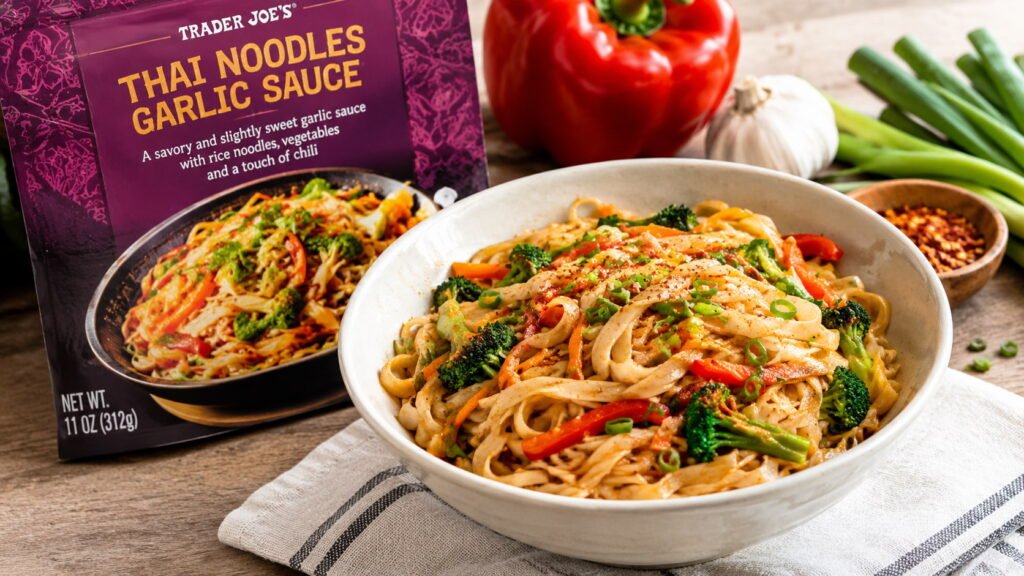
Trader Joe’s Thai noodles garlic sauce is an irresistible inspiration for a quick homemade noodle dish packed with savory garlic, tender noodles, and a perfectly balanced sauce. With a handful of everyday ingredients and about 25 minutes, you can prepare a Thai-inspired garlic noodle recipe that delivers plenty of flavor without requiring complicated cooking techniques.
The secret to delicious garlic noodles lies in balancing salty soy sauce, fragrant garlic, a touch of sweetness, and a little acidity. Choosing the right noodles and cooking them just until tender also helps every strand absorb the sauce without becoming soggy.
This homemade version is easy to customize with your favorite vegetables, chicken, shrimp, or tofu. Whether you need a satisfying weeknight dinner or a quick lunch, the recipe offers a flexible starting point for creating your own favorite garlic noodle dish.
Throughout this guide, you’ll learn which ingredients work best, how to make a flavorful garlic sauce from scratch, and how to stir-fry everything for the best texture. You’ll also find practical substitutions and tips for adjusting the flavor to suit your preferences.
In This Article
What Makes Trader Joe’s Thai Noodles Garlic Sauce So Flavorful?
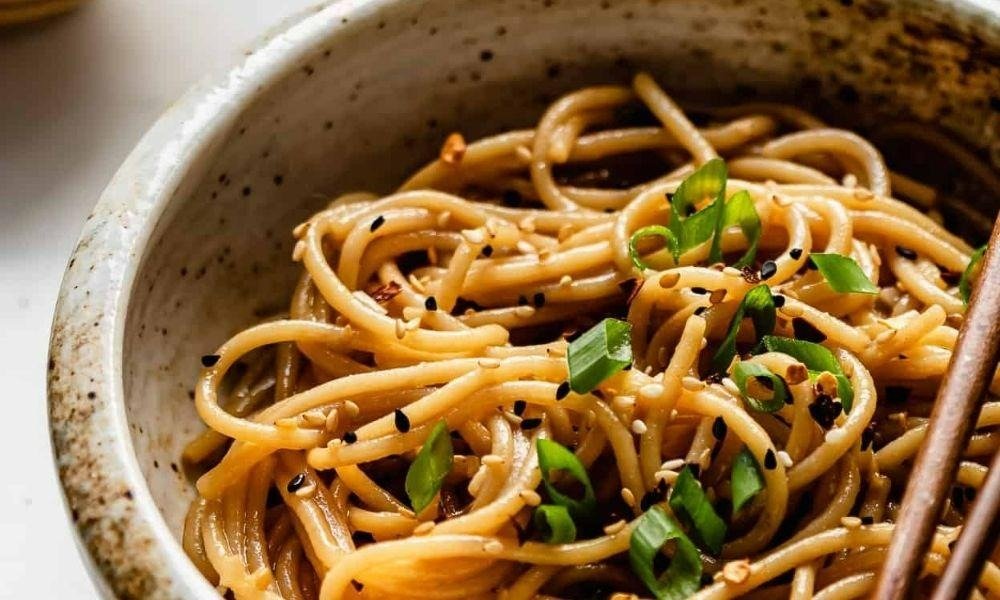
The appeal of Thai-inspired garlic noodles comes from the combination of bold aromatics, savory seasoning, and a sauce that clings to the noodles rather than pooling at the bottom of the bowl. Every bite should taste garlicky and savory, with enough sweetness and acidity to keep the flavors balanced.
Although this recipe takes inspiration from Trader Joe’s Thai noodles garlic sauce, it is a homemade interpretation rather than an official copy of a specific packaged product. You can adjust the ingredients to create a milder, sweeter, spicier, or more deeply savory result.
The Flavor Balance Behind Great Garlic Noodles
Four main flavor elements help bring the sauce together.
- Garlic: Fresh minced garlic creates the signature aroma and provides the dish with its strongest savory character.
- Umami and saltiness: Soy sauce adds depth and a rich, savory taste. Oyster sauce or a vegetarian alternative contributes extra complexity.
- Sweetness: Brown sugar or honey softens the salty ingredients and helps create a rounded sauce.
- Acidity and heat: Rice vinegar or fresh lime juice brightens the dish, while chili flakes or chili garlic sauce add optional warmth.
Sesame oil can contribute a subtle nutty finish, although a small amount is usually enough. Too much can overpower the garlic and other seasonings.
Why the Cooking Method Matters
Garlic develops its best flavor when cooked briefly in warm oil. High heat can quickly turn minced garlic dark brown or black, producing a bitter taste that affects the entire dish.
Cooking the garlic gently until fragrant, then adding the noodles and sauce, helps preserve its sweetness and aroma. Tossing everything together over medium-high heat allows the sauce to coat the noodles evenly without excessive liquid.
The biggest secret is to avoid overcooking the noodles before they reach the pan. Slightly firm noodles hold their shape better during stir-frying and absorb the sauce without turning mushy.
Ingredients You Need for Trader Joe’s Thai Noodles Garlic Sauce
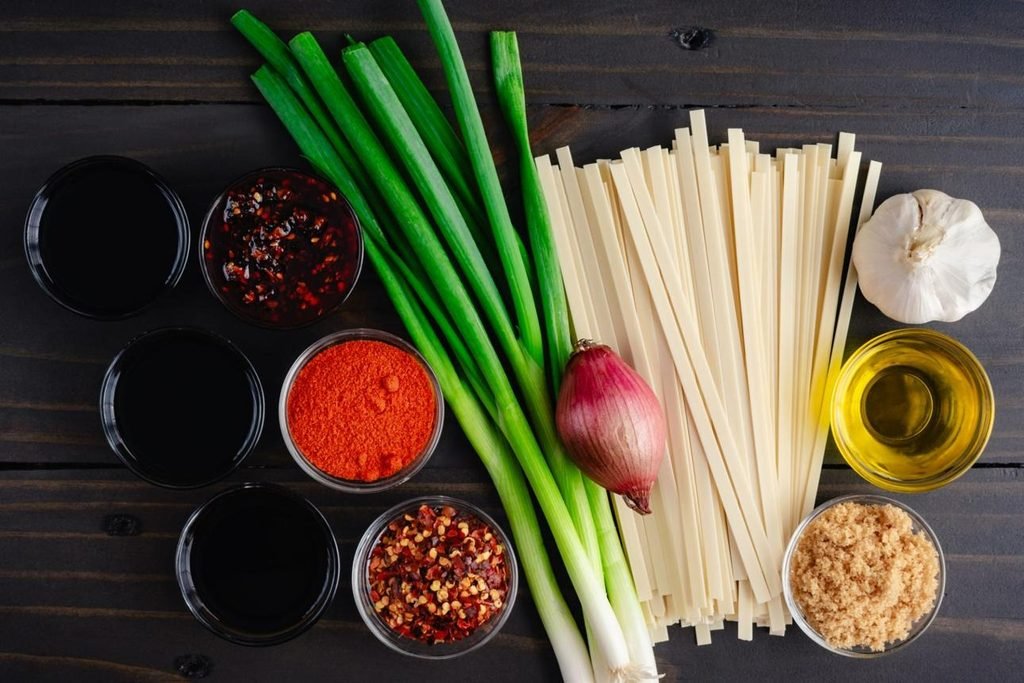
The recipe uses accessible ingredients that are easy to find in most grocery stores. The exact noodle variety is flexible, so choose whichever type you enjoy and adjust the cooking method according to the package directions.
The measurements below make approximately two generous servings.
Ingredients for the Noodles
- 8 ounces (225 g) dried rice noodles, lo mein noodles, or another noodle variety
- 1 tablespoon neutral cooking oil, such as canola or avocado oil
- 4–5 garlic cloves, finely minced
- 1 teaspoon freshly grated ginger, optional
- 1 cup sliced vegetables, such as bell peppers, carrots, cabbage, or snap peas
- 2 scallions, thinly sliced, for garnish
- 1 teaspoon sesame seeds, optional
- Lime wedges, for serving
Ingredients for the Garlic Sauce
- 3 tablespoons soy sauce
- 1 tablespoon oyster sauce or vegetarian oyster-style sauce
- 1 tablespoon brown sugar or honey
- 1 tablespoon rice vinegar
- 1 teaspoon sesame oil
- 1–2 tablespoons water, as needed
- ¼ teaspoon red pepper flakes, optional
The sauce ingredients create a savory, slightly sweet base with a noticeable garlic flavor once combined with the freshly sautéed garlic. Add the chili flakes gradually if you prefer a mild dish.
Ingredient Notes: How Each One Affects the Recipe
Noodles: Rice noodles provide a light, slightly chewy texture, while wheat-based lo mein noodles tend to be springier and more substantial. Both work well with garlic sauce, provided they are cooked correctly.
Fresh garlic: Four or five cloves give the dish a pronounced garlic flavor without making the sauce overly harsh. Finely minced garlic distributes more evenly than large chopped pieces.
Soy sauce: Regular soy sauce provides saltiness and umami. Reduced-sodium soy sauce is a useful option if you want greater control over the final seasoning. Taste the finished dish before adding extra salt.
Oyster sauce: Oyster sauce brings a thicker consistency and deeper savory flavor. Vegetarian oyster-style sauce, often made with mushrooms, is a suitable alternative for plant-based cooking.
Brown sugar: A small amount balances the saltiness of the soy sauce. Honey also works, although it may produce a slightly different sweetness.
Rice vinegar: The acidity cuts through the richness of the oil and seasonings. Lime juice can replace rice vinegar, especially if you prefer a fresher citrus note.
Sesame oil: Toasted sesame oil is particularly aromatic. Add the measured amount to the sauce rather than using it as the main frying oil, since its strong flavor can dominate the dish.
Ingredient Substitutions for Different Dietary Needs
| Ingredient | Substitute | What to expect |
| Rice noodles | Lo mein or ramen noodles | A firmer, chewier texture |
| Soy sauce | Tamari or verified gluten-free soy sauce | Similar savory flavor |
| Oyster sauce | Vegetarian mushroom-based sauce | Rich, earthy umami |
| Brown sugar | Honey or maple syrup | Slightly different sweetness |
| Rice vinegar | Fresh lime juice | Brighter citrus flavor |
| Sesame oil | A little extra neutral oil | Less nutty aroma |
For a fully vegan version, choose plant-based oyster sauce and maple syrup or another vegan sweetener. Check the labels of all packaged sauces to ensure they meet your dietary requirements.
Readers avoiding gluten should select certified or clearly labeled gluten-free noodles and verify that the soy sauce, oyster sauce alternative, and other seasonings are also gluten-free. Tamari is not automatically gluten-free, so checking the package remains important.
For additional guidance on safely accommodating food allergies, the U.S. Food and Drug Administration’s food allergy resource explains common allergens and food-labeling considerations.
Kitchen Equipment You’ll Need
No specialized equipment is necessary for making Trader Joe’s-inspired Thai noodles with garlic sauce. Prepare the following before starting:
- A large pot for cooking the noodles
- A colander for draining
- A large skillet or wok for stir-frying
- A small bowl and whisk or fork for mixing the sauce
- A sharp knife and cutting board
- Measuring spoons and a spatula or pair of tongs
Helpful preparation tip: Mince the garlic, slice the vegetables, and mix the sauce before heating the skillet. Stir-frying moves quickly, and having everything ready helps prevent the garlic from burning while you search for ingredients.
Choosing the Best Noodles for Trader Joe’s Thai Noodles Garlic Sauce
The type of noodles you choose can change the texture and overall feel of your homemade garlic noodle dish. Some noodles absorb the sauce quickly, while others stay springy and chewy, making them ideal for stir-frying.
Fortunately, you don’t need one specific noodle variety to make a delicious Trader Joe’s Thai noodles garlic sauce recipe. Choose a type you enjoy, then adjust the cooking time and amount of liquid to suit its texture.
Rice Noodles vs. Wheat Noodles: Which Works Best?
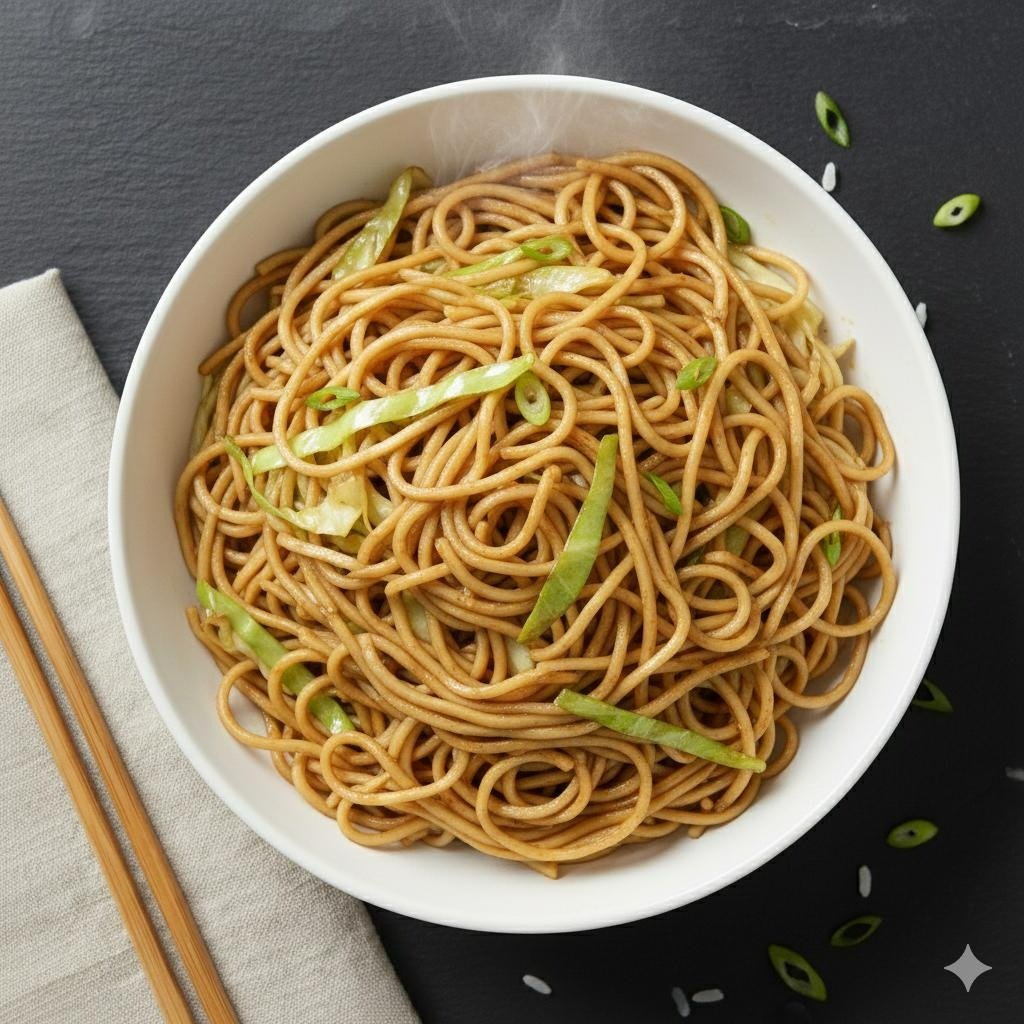
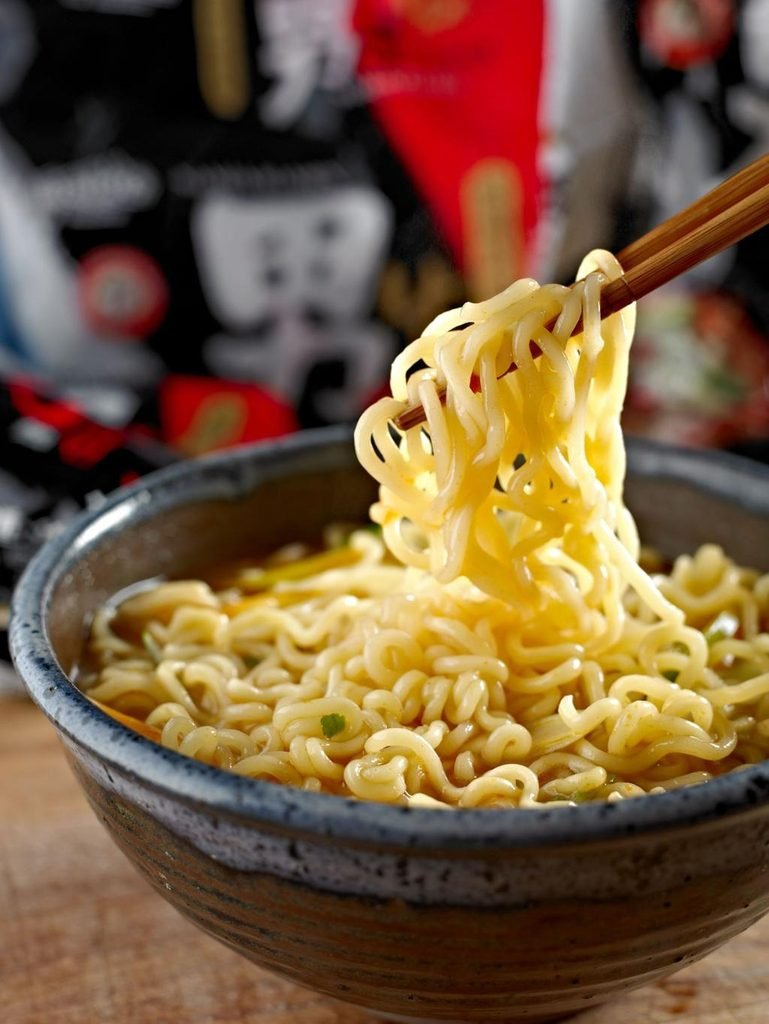
6
| Noodle type | Texture | Best use |
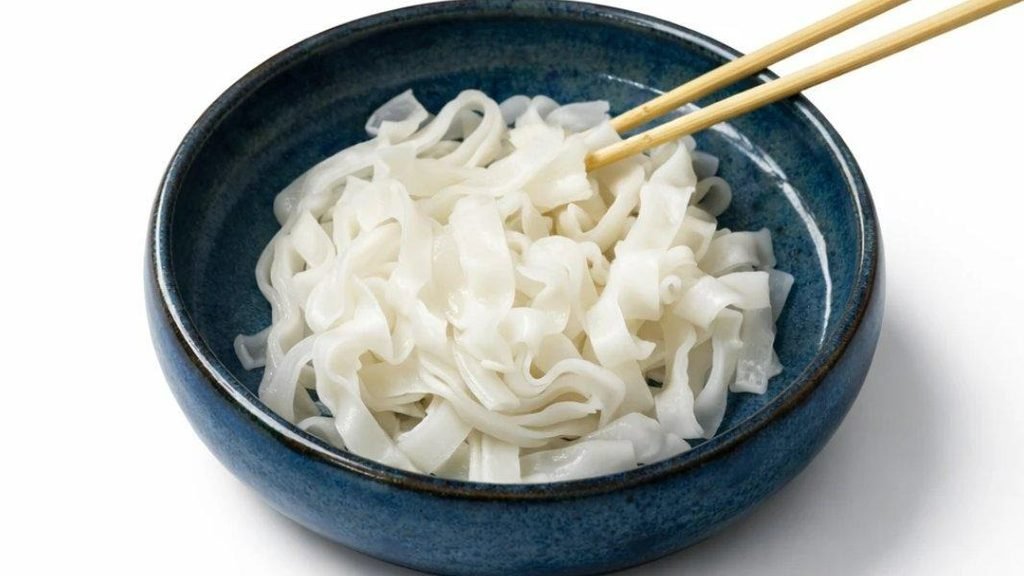
| Rice noodles | Soft, tender, slightly chewy | A lighter Thai-inspired noodle dish |
| Lo mein noodles | Springy and substantial | A classic stir-fried noodle texture |
| Egg noodles | Rich and pleasantly chewy | A heartier, savory garlic noodle dish |
| Ramen noodles | Tender with a springy bite | A quick, budget-friendly dinner |
| Spaghetti | Firm and slightly dense | An easy pantry substitute |
My recommendation: Choose rice noodles for a Thai-inspired result or lo mein noodles for a more substantial stir-fry. Both pair beautifully with garlic, soy sauce, and a touch of sweetness.
Flat rice noodles are particularly good at catching sauce along their broad surfaces. Wheat noodles, on the other hand, often hold their shape better during vigorous tossing and create a satisfying, chewy bite.
How to Cook Noodles Without Making Them Mushy
Noodles continue cooking slightly after they leave the boiling water, especially when tossed in a hot skillet with sauce. Stopping the cooking process at the right moment helps prevent a soft, sticky final dish.
Follow these guidelines for the best results:
- Rice noodles: Follow the package instructions for soaking or boiling. Some varieties need only hot water, while others require brief cooking. Drain when tender but still slightly firm.
- Lo mein or egg noodles: Cook in boiling water until just shy of your preferred tenderness, then drain well.
- Ramen noodles: Cook until slightly firm and remove them before they become overly soft. Discard the seasoning packet if the noodles came with one and you’re making the homemade sauce.
- Spaghetti: Cook until just al dente, then drain. The slightly firm texture makes spaghetti a practical substitute for Asian-style wheat noodles.
Reserve about ¼ cup of noodle-cooking water before draining, especially when using wheat noodles. A tablespoon or two can help loosen the sauce and encourage it to coat the noodles evenly.
Avoid rinsing noodles automatically. Wheat noodles generally benefit from a good drain rather than rinsing when they are going straight into a stir-fry. Some rice noodles, however, may benefit from a quick rinse if their package directions recommend it or if you need to stop the cooking process.
How to Prevent Noodles from Sticking Together
Sticky noodles can make stir-frying frustrating, but a few simple habits help keep them manageable.
- Use a large pot with enough water for the noodles to move freely.
- Stir during the first minute of cooking to separate the strands.
- Drain thoroughly so excess water doesn’t dilute the garlic sauce.
- Prepare the sauce and other ingredients before cooking the noodles.
- Toss the drained noodles with a small amount of neutral oil if they must sit briefly before stir-frying.
Try to transfer the noodles into the skillet soon after draining. Leaving them in a colander for too long can cause them to clump together, particularly when working with rice noodles.
How to Make the Perfect Garlic Sauce for Trader Joe’s Thai Noodles
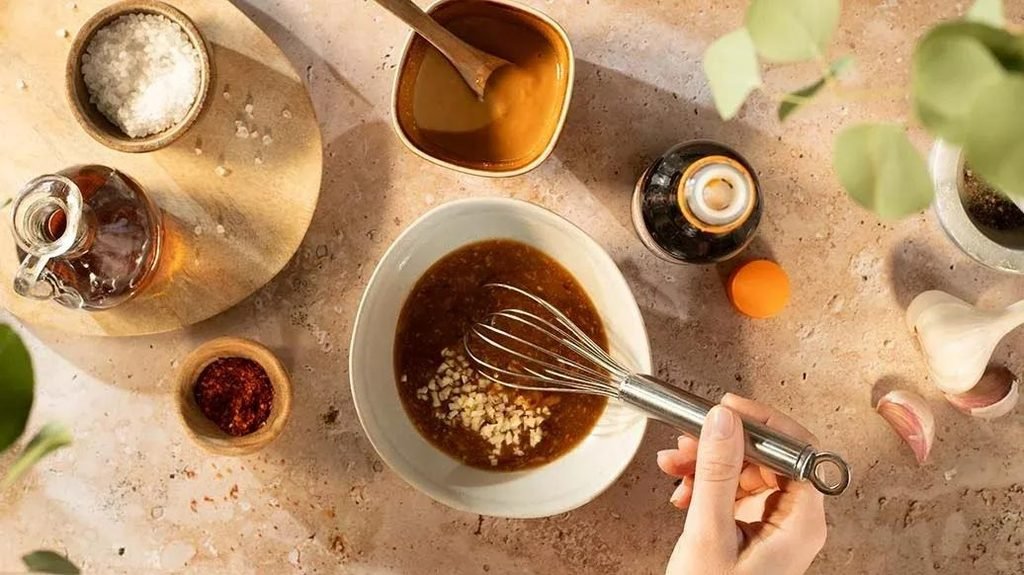
The sauce is the heart of this recipe. A good garlic noodle sauce should taste savory first, followed by gentle sweetness, a little acidity, and optional heat. The flavors should complement the noodles rather than overpower them.
The following homemade formula creates enough sauce for approximately two servings of noodles.
Simple Thai-Inspired Garlic Sauce Recipe
Ingredients
- 3 tablespoons soy sauce
- 1 tablespoon oyster sauce or vegetarian oyster-style sauce
- 1 tablespoon brown sugar
- 1 tablespoon rice vinegar
- 1 teaspoon sesame oil
- 1–2 tablespoons water
- ¼ teaspoon red pepper flakes, optional
Instructions
- Add the soy sauce, oyster sauce, brown sugar, rice vinegar, sesame oil, and red pepper flakes to a small bowl.
- Whisk until the brown sugar dissolves and the ingredients are evenly combined.
- Add 1 tablespoon of water to start. Use the second tablespoon if you prefer a lighter, less concentrated sauce.
- Taste a small amount and adjust the balance before cooking.
The finished mixture should be pourable but flavorful enough to season the noodles. Keep in mind that the sauce will taste stronger on its own than when distributed across a full pan of noodles.
Important: The minced garlic listed in the main recipe is cooked separately in the skillet. Keeping the garlic out of the sauce until the frying stage allows it to release its aroma into the oil without burning during preparation.
How to Balance the Sauce to Your Taste
Not every palate prefers the same balance of salty, sweet, sour, and spicy flavors. Start with the recommended measurements, then make small adjustments rather than adding large amounts of any single ingredient.
- Too salty? Add a little water and, if needed, a small amount of extra sugar or vinegar. Avoid adding more soy sauce.
- Too sweet? Add a few drops of rice vinegar or lime juice to restore balance.
- Too tangy? Mix in a small pinch of brown sugar.
- Too mild? Add chili flakes, chili garlic sauce, or a small amount of chili crisp.
- Too thick? Add water a teaspoon at a time until the sauce pours easily.
- Not savory enough? Add a little more oyster sauce or vegetarian mushroom-based sauce, tasting as you go.
The goal is a sauce with enough depth to flavor every noodle without leaving the finished dish excessively salty or sweet.
How to Make the Sauce Ahead of Time
Preparing the sauce before dinner can make the entire cooking process faster. Mix the ingredients, transfer them to a clean, covered container, and refrigerate until needed.
For the best flavor and texture, use the prepared sauce within about 3–4 days, provided it has been handled and refrigerated safely. Stir or shake it before using because some ingredients may settle during storage.
Keep fresh garlic separate until cooking time. Mixing the sauce ahead while chopping the garlic just before sautéing gives you the convenience of meal prep without sacrificing the fresh garlic aroma.
For a vegetarian or vegan variation, substitute vegetarian oyster-style sauce and use maple syrup instead of honey if needed. Gluten-free cooks should choose verified gluten-free soy sauce or tamari and check every other packaged ingredient.
Step-by-Step: How to Make Trader Joe’s Thai Noodles with Garlic Sauce
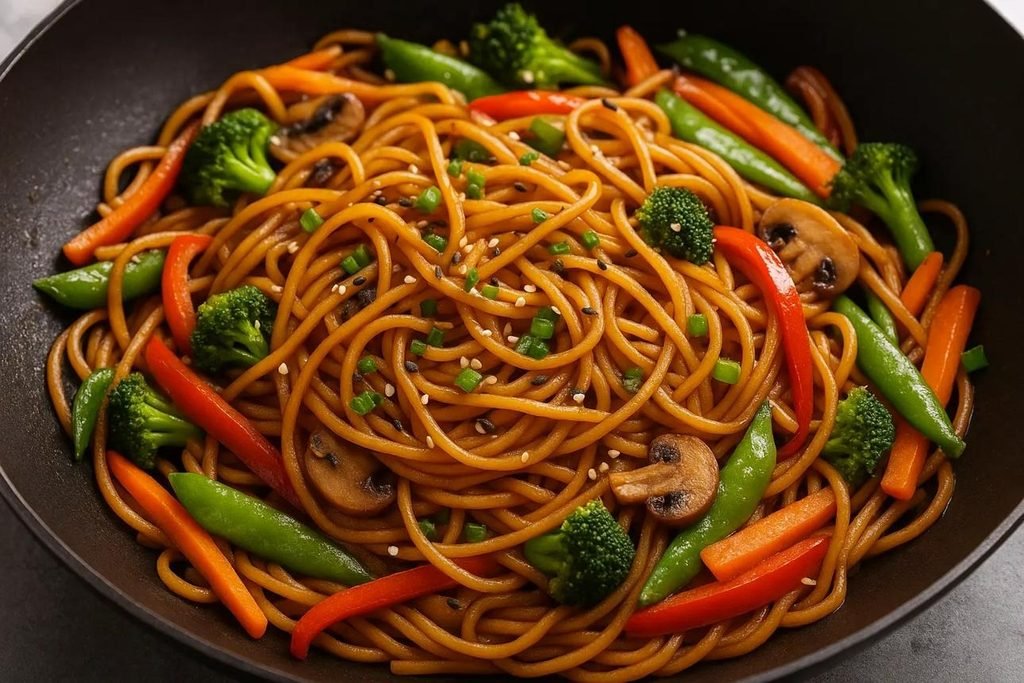
Making Trader Joe’s Thai noodles garlic sauce at home is straightforward once the ingredients are prepared. The most important details are cooking the garlic gently, keeping the noodles slightly firm, and tossing everything together quickly enough to prevent the sauce from drying out.
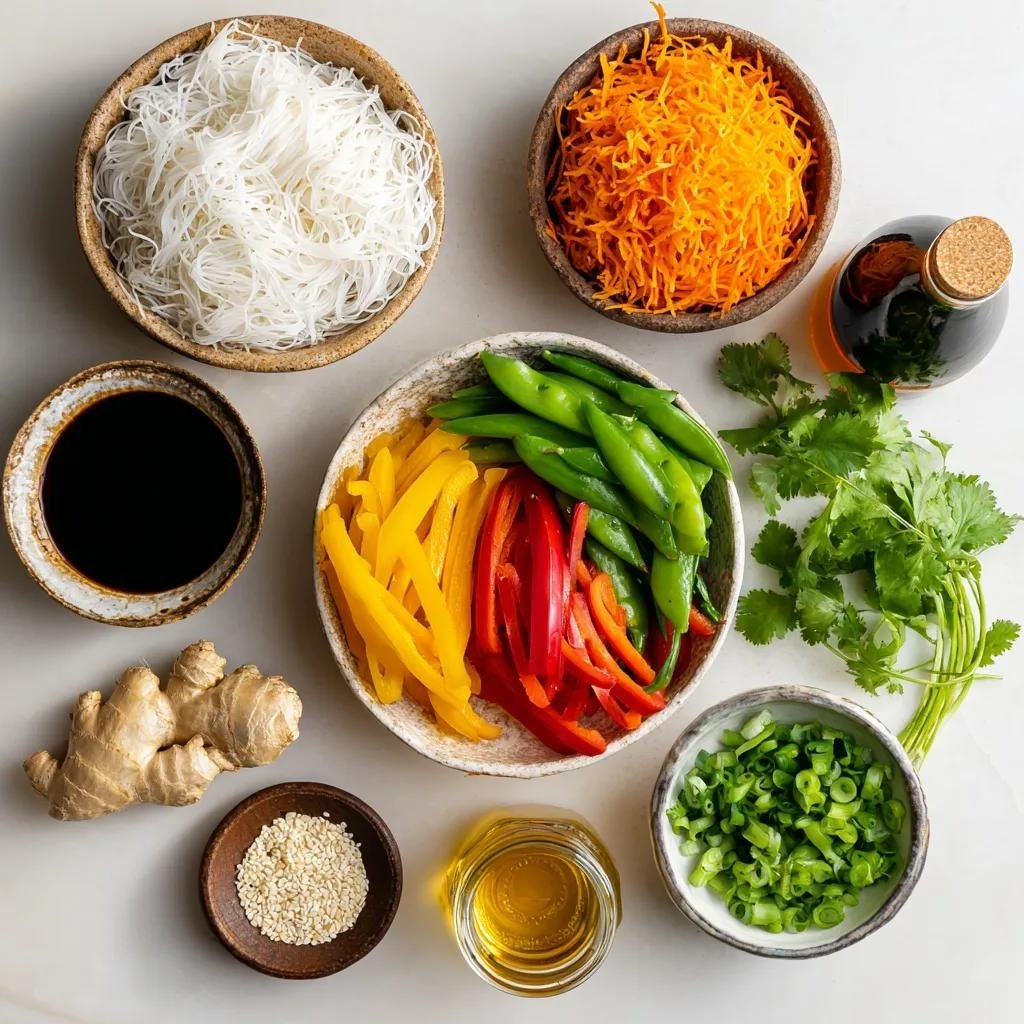
Step 1: Prepare the noodles and vegetables
Bring a pot of water to a boil and cook 8 ounces (225 g) of noodles according to the package instructions. Stop cooking when the noodles are just tender but still have a slight bite.
Drain thoroughly, reserving a little noodle water if appropriate for your noodle type. Mince the garlic, grate the ginger if using, and slice the vegetables into thin, even pieces.
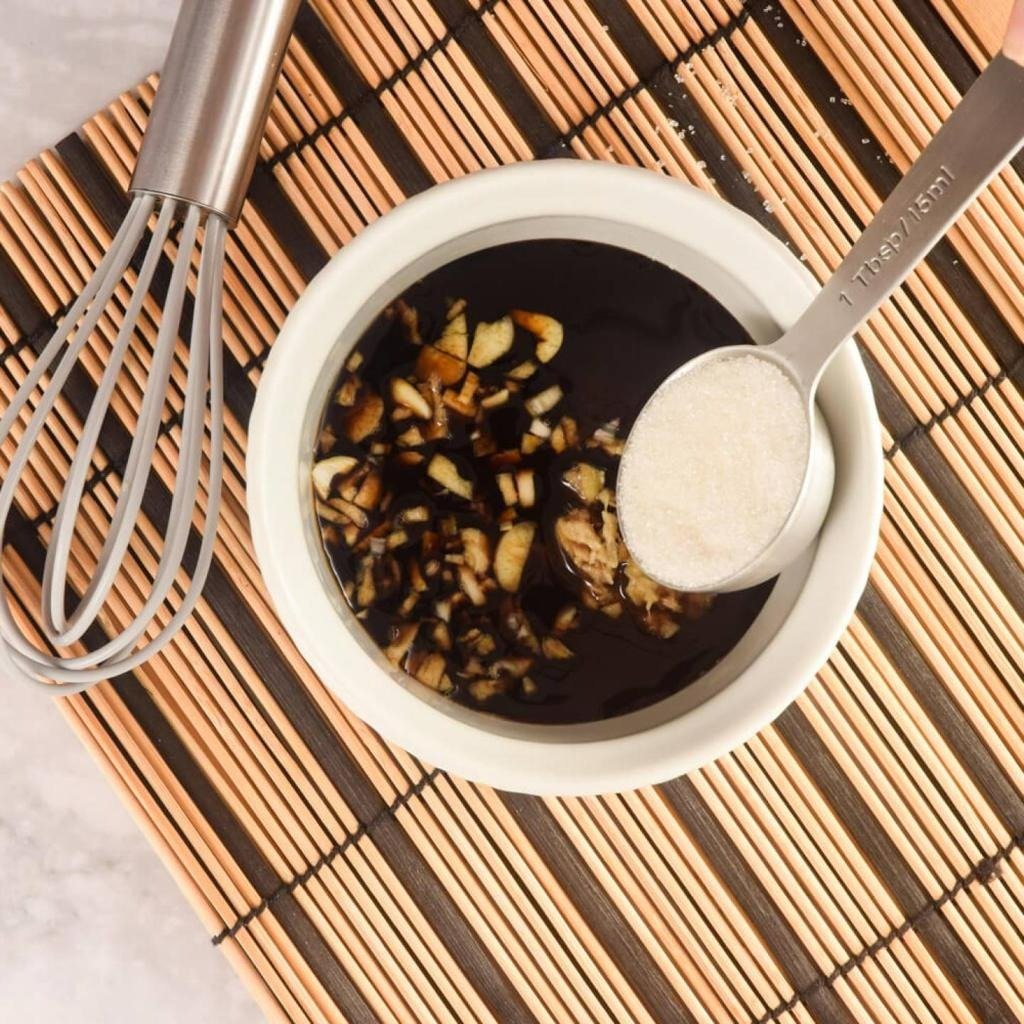
Step 2: Mix the garlic noodle sauce
Whisk together the soy sauce, oyster sauce, brown sugar, rice vinegar, sesame oil, water, and optional red pepper flakes.
Taste the mixture and adjust the seasoning if necessary. Keep the bowl near the stove so you can add the sauce as soon as the noodles are ready.
Step 3: Sauté the garlic until fragrant
Heat 1 tablespoon of neutral oil in a large skillet or wok over medium heat. Add the minced garlic and optional ginger, stirring for approximately 30–60 seconds.
The garlic should smell fragrant and look pale golden, not dark brown. Reduce the heat if the garlic begins coloring too quickly, since burnt garlic can make the whole dish bitter.
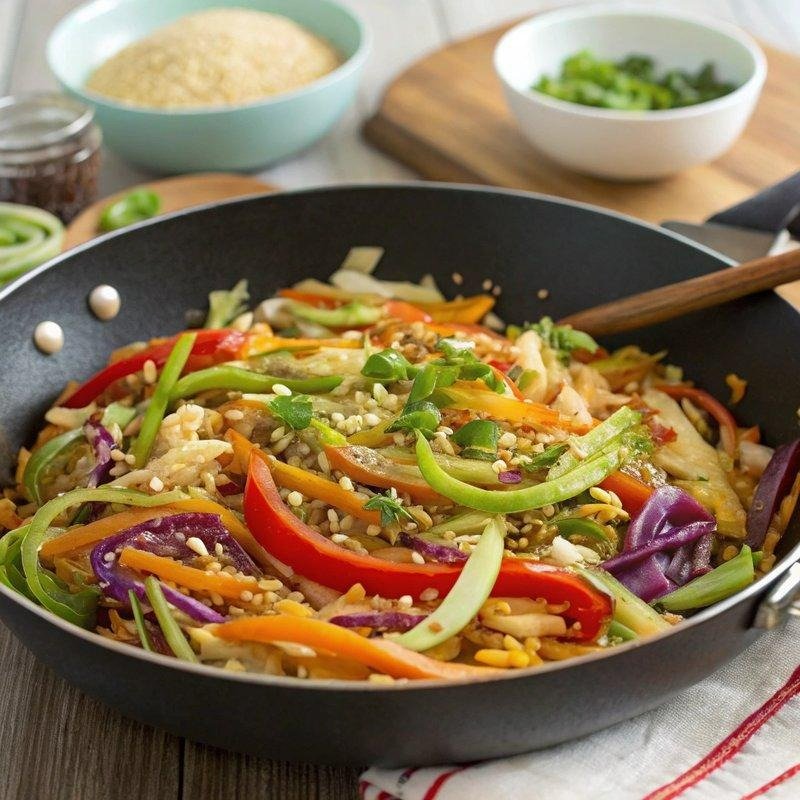
Step 4: Stir-fry the vegetables or protein
Add approximately 1 cup of sliced vegetables to the skillet and cook for 2–4 minutes, depending on their thickness. Carrots and broccoli may need a little longer than thinly sliced peppers or cabbage.
If adding cooked chicken, shrimp, or tofu, stir them in and heat through. Raw proteins should be cooked safely before the noodles are added; shrimp should turn opaque and chicken should reach an internal temperature of 165°F (74°C).
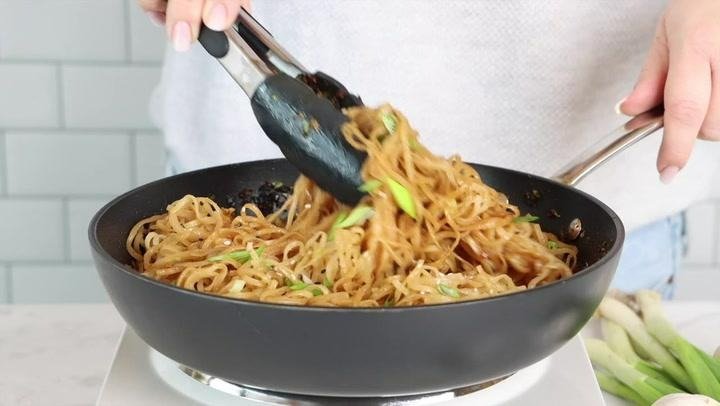
Step 5: Toss the noodles with the sauce
Add the drained noodles to the skillet, pour in the prepared sauce, and toss with tongs or a spatula until the noodles are evenly coated.
Cook for another 1–3 minutes, stirring frequently. Add a tablespoon of reserved noodle water or plain water if the mixture looks dry or the sauce clings too thickly.
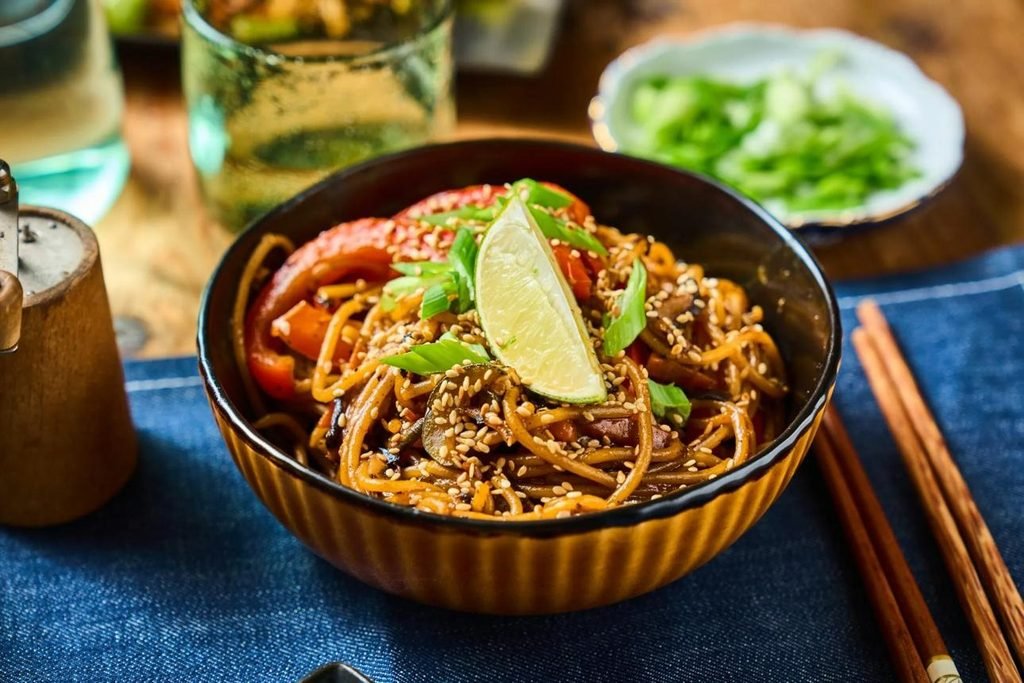
Step 6: Adjust the seasoning and serve
Taste the noodles and add a little more lime juice, chili, or soy sauce if needed. Remove the skillet from the heat once the sauce coats the noodles and no excess liquid remains at the bottom.
Finish with sliced scallions and sesame seeds. Serve immediately while the noodles are warm, tender, and fragrant.
Recipe Timing and Quick Reference
| Recipe detail | Estimate |
| Preparation time | 10 minutes |
| Cooking time | 15 minutes |
| Total time | 25 minutes |
| Servings | 2 generous portions |
| Main cooking method | Stovetop stir-frying |
| Difficulty | Easy |
Actual timing depends on the noodle variety and the vegetables or proteins you choose. Rice noodles that require soaking may need a different preparation schedule from dried wheat noodles.
What the Finished Noodles Should Look and Taste Like
Well-made garlic noodles should have a glossy coating, a noticeable garlic aroma, and noodles that remain separate rather than forming a sticky mass. The sauce should cling to the strands, with very little watery liquid left in the pan.
Each bite should taste savory, lightly sweet, and balanced by a hint of acidity. Optional chili should add warmth without masking the garlic.
The best time to serve the dish is immediately after cooking. Noodles absorb sauce as they stand, so waiting too long can make them less glossy and slightly drier. Keep a small amount of water nearby in case you need to loosen the sauce just before serving.
Cooking Secrets for Better Trader Joe’s Thai Noodles Garlic Sauce Every Time
A few small adjustments can make a noticeable difference in the flavor and texture of homemade Trader Joe’s Thai noodles garlic sauce. The key is managing the garlic, controlling moisture, and adding the sauce at the right moment.
Keep the Garlic Fragrant, Not Burnt
Fresh garlic is the defining ingredient in this recipe, so give it a little attention during cooking. Minced garlic cooks quickly, especially in a hot wok or thin skillet.
Heat the oil over medium heat before adding the garlic. Stir constantly for 30–60 seconds, watching for a fragrant aroma and a pale golden color. Add the vegetables or sauce promptly rather than allowing the garlic to darken.
If the garlic starts browning too quickly, lower the heat immediately. Burnt garlic can introduce a bitter taste that is difficult to correct once the sauce has been added.
Let the Noodles Finish Cooking in the Sauce
Cooking noodles completely before stir-frying can leave them too soft by the time dinner is ready. Aim for a slightly firm texture when draining, particularly when using wheat noodles.
Once the noodles enter the skillet, the remaining heat and sauce will help finish cooking them. Toss gently with tongs to distribute the seasoning without breaking delicate rice noodles.
Use the Right Amount of Sauce
Too little sauce leaves the noodles bland, while too much can make the dish watery or excessively salty.
Start with the recommended sauce measurements for 8 ounces of dried noodles. Add extra water only when needed to loosen the mixture, preferably one tablespoon at a time.
A glossy coating is the goal, not a puddle of sauce at the bottom of the skillet. Remember that noodles continue absorbing liquid after cooking, so a slightly loose sauce in the pan is often better than an overly thick one.
Prepare Everything Before Turning on the Stove
Stir-frying moves quickly. Having the sauce mixed, vegetables sliced, garlic minced, and noodles drained before heating the skillet prevents unnecessary pauses during cooking.
Use a wide skillet or wok so the ingredients can move freely. Overcrowding the pan traps steam, which can soften the noodles instead of helping them develop a pleasant stir-fried texture.
Customize Your Trader Joe’s Thai Noodles Garlic Sauce Recipe
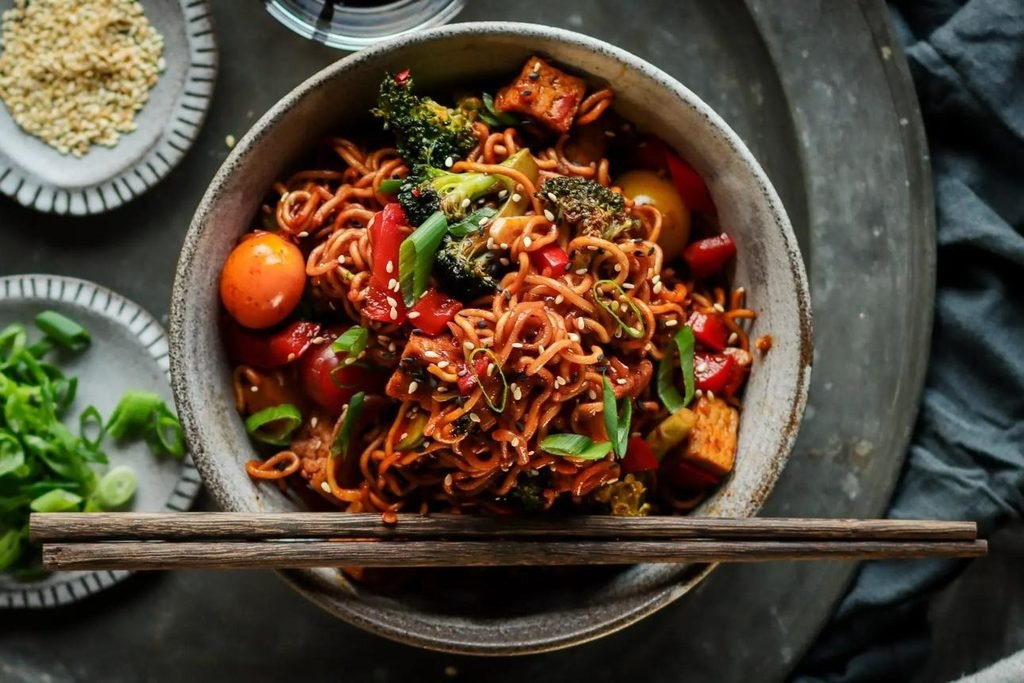
One of the best things about homemade garlic noodles is how easily you can change the flavor and ingredients. The basic sauce works with vegetables, plant-based proteins, seafood, and poultry, making the recipe useful for different preferences and whatever you have in the refrigerator.
Spicy Garlic Noodles
Add ½–1 teaspoon of chili garlic sauce or chili crisp to the prepared sauce, adjusting the amount according to your heat preference.
Fresh Thai chilies also work well when finely sliced and briefly sautéed with the garlic. Start with a small quantity because fresh chilies can vary considerably in intensity.
Finish with a squeeze of lime juice to balance the heat and bring out the garlic flavor.
Creamy Peanut Garlic Noodles
For a richer variation, whisk 1–2 tablespoons of smooth peanut butter into the garlic sauce. Add 1–2 tablespoons of warm water gradually until the mixture becomes pourable.
Peanut butter thickens the sauce and gives the noodles a nutty, creamy coating. A little extra lime juice can prevent the finished dish from tasting too heavy.
Serve with shredded carrots, sliced scallions, crushed peanuts, and optional chili flakes. Check the peanut butter label if you are cooking for someone with food allergies.
Vegetarian and Vegan Garlic Noodles
A plant-based version is easy to prepare without sacrificing savory flavor.
- Replace oyster sauce with vegetarian mushroom-based oyster-style sauce.
- Use maple syrup or brown sugar instead of honey.
- Add firm tofu, mushrooms, broccoli, cabbage, or snap peas.
- Finish with sesame seeds and scallions for extra flavor and texture.
Press firm tofu before cooking to remove excess moisture, then cut it into cubes and pan-fry until golden. Adding the tofu before the noodles helps it develop a more appealing exterior.
Chicken or Shrimp Garlic Noodles
Protein turns the recipe into a more substantial main course.
Chicken: Cut boneless chicken into thin, even strips and cook in a lightly oiled skillet until the thickest pieces reach 165°F (74°C). Transfer to a plate if necessary, cook the garlic and vegetables, then return the chicken to the pan with the noodles.
Shrimp: Peel and devein the shrimp, then cook until opaque and firm. Depending on their size, shrimp often take just a few minutes. Remove them once cooked to prevent a rubbery texture, then return them to the skillet when combining the noodles and sauce.
Tofu: Use firm or extra-firm tofu for the best texture. Pan-fry until lightly golden before adding the sauce-coated noodles.
Vegetable-Packed Garlic Noodles
Adding vegetables creates more color, texture, and variety in every serving.
Good choices include:
- Bell peppers for sweetness and crunch
- Carrots for color and a slightly sweet flavor
- Broccoli for a hearty vegetable addition
- Cabbage for a tender, lightly crisp texture
- Snap peas for freshness and crunch
- Mushrooms for earthy, savory depth
Cut vegetables into similar-sized pieces so they cook evenly. Add dense vegetables first and quick-cooking ingredients near the end.
Avoid adding too many vegetables at once, especially watery varieties, because excess moisture can dilute the garlic sauce.
Common Mistakes That Can Ruin Garlic Sauce Noodles
Even a simple noodle recipe can become disappointing when the sauce is unbalanced or the noodles are overcooked. The following troubleshooting guide explains how to recognize common problems and correct them.
| Common problem | Why it happens | How to fix it |
| Bitter garlic flavor | Garlic cooked too long or over excessively high heat | Lower the heat and cook fresh garlic briefly until fragrant |
| Mushy noodles | Noodles were overcooked before stir-frying | Drain them slightly firm and finish cooking in the sauce |
| Overly salty sauce | Too much soy sauce or concentrated seasoning | Add water, extra noodles, or unsalted vegetables to balance the flavor |
| Watery noodles | Noodles were poorly drained or vegetables released too much moisture | Drain thoroughly and stir-fry until excess liquid evaporates |
| Dry, sticky noodles | Too little sauce or noodles sat too long after cooking | Add a tablespoon of warm water and toss gently |
| Bland flavor | Not enough garlic or insufficient seasoning | Adjust the sauce gradually and finish with lime juice or scallions |
| Soggy vegetables | Vegetables cooked too long or the pan was overcrowded | Use a wide skillet and cook vegetables in batches if necessary |
How to Fix Garlic Noodles That Taste Too Salty
Saltiness is one of the hardest problems to correct because soy sauce and oyster sauce both contribute concentrated seasoning.
Add a small amount of warm water and toss thoroughly. If you have extra cooked noodles or unsalted vegetables available, adding them can also spread the seasoning across more food.
Avoid adding more soy sauce while correcting the problem. A small squeeze of lime juice may improve the overall balance, but acidity will not remove excess salt.
How to Rescue Dry or Sticky Noodles
Place the skillet over low to medium heat and add 1 tablespoon of warm water. Toss gently until the liquid loosens the sauce and coats the noodles again.
Repeat only if necessary. Too much water can make the sauce thin, so add small amounts rather than pouring in a large splash.
If the noodles have been sitting for a while, separate them carefully with tongs before adding liquid. Gentle handling helps prevent rice noodles from breaking apart.
What to Serve with Thai-Inspired Garlic Noodles
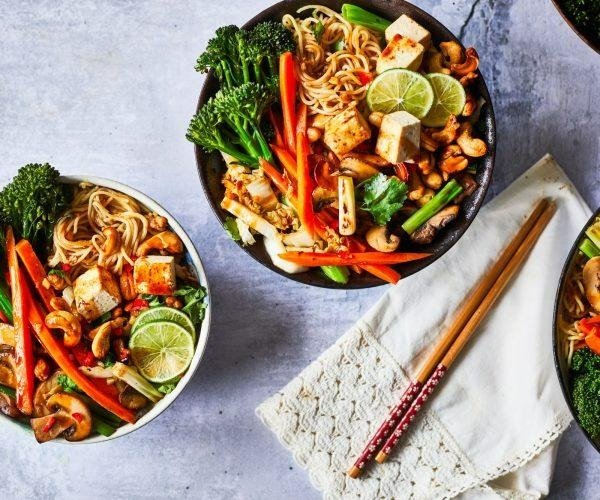
Trader Joe’s-inspired garlic noodles can be served as a quick standalone meal or paired with a few simple sides for a more complete dinner. Since the sauce is savory and aromatic, fresh vegetables and lighter accompaniments work especially well.
Best Side Dishes for Garlic Noodles
Stir-fried broccoli: Lightly sauté broccoli with garlic and a splash of water until tender-crisp. The mild flavor complements the noodles without competing with the sauce.
Cucumber salad: Thinly sliced cucumbers tossed with rice vinegar, a little sugar, and sesame seeds provide a refreshing contrast to the warm, savory noodles.
Crispy tofu: Golden tofu cubes add protein and a satisfying texture. Serve them alongside the noodles or fold them directly into the skillet.
Garlic shrimp: For seafood lovers, simply seasoned shrimp make a flavorful addition. Keep the seasoning relatively light so the shrimp complement the sauce rather than overpower it.
Steamed or stir-fried vegetables: Bok choy, green beans, snap peas, and cabbage make practical accompaniments when you want a vegetable-forward meal.
Garnishes That Make the Dish Even Better
Small finishing touches can brighten the dish and make it look more appetizing.
- Sliced scallions for freshness
- Toasted sesame seeds for a nutty finish
- Crushed peanuts for crunch
- Lime wedges for acidity
- Fresh cilantro for an herbal note
- Chili crisp for extra heat and texture
Choose two or three garnishes rather than using everything at once. A restrained combination allows the garlic sauce to remain the main flavor.
What to Drink with Garlic Noodles
Unsweetened iced tea is a refreshing option, particularly when serving spicy noodles. Sparkling water with lime also works well because the citrus complements the sauce.
For a sweeter drink, lightly sweetened jasmine tea or homemade iced green tea can balance the savory flavors without making the meal feel too heavy.
Storage, Refrigeration, and Reheating Tips
Garlic noodles are best immediately after cooking, when the sauce is glossy and the noodles have their ideal texture. Leftovers can still make a convenient lunch, although the noodles may absorb more sauce as they sit.
How to Store Leftover Garlic Noodles
Allow the noodles to stop steaming heavily, then transfer them to a shallow, airtight container and refrigerate promptly.
Follow these storage guidelines:
- Refrigerate leftovers within two hours of cooking, or within one hour when the surrounding temperature exceeds 90°F (32°C).
- Keep the refrigerator at 40°F (4°C) or below.
- Eat refrigerated leftovers within 3–4 days.
- Store extra sauce separately when possible to help preserve the noodles’ texture.
Discard leftovers that have been left at room temperature too long or show signs of spoilage. Smell and appearance alone cannot reliably establish food safety.
How to Reheat Garlic Noodles Without Drying Them Out
Stovetop method: Place the noodles in a skillet over medium-low heat. Add 1–2 tablespoons of water, then toss gently until heated through. Add a little more water if the noodles remain dry.
Microwave method: Transfer a portion to a microwave-safe bowl and sprinkle with a tablespoon of water. Cover loosely, heat in short intervals, and stir between intervals until the noodles are steaming hot throughout.
Avoid reheating the entire batch repeatedly. Warming only the portion you plan to eat helps preserve the texture and reduces unnecessary temperature changes.
Can You Freeze Trader Joe’s Thai Noodles Garlic Sauce?
Freezing is possible, but cooked noodles may become softer or break apart after thawing. Rice noodles can be especially delicate, so refrigeration is generally the better option for short-term leftovers.
If you want to freeze part of the meal, freezing the prepared sauce separately is often more practical. Transfer the cooled sauce to a freezer-safe container, leaving a little room for expansion, and label it with the date.
Thaw frozen sauce in the refrigerator before using it. Stir thoroughly, then cook with freshly prepared noodles for a better texture.
Make-Ahead Tips for Faster Weeknight Meals
A little preparation makes the recipe even more convenient.
- Mix the sauce up to several days ahead and refrigerate it in a sealed container.
- Wash and slice sturdy vegetables in advance.
- Mince the garlic shortly before cooking for the freshest aroma.
- Prepare proteins separately and refrigerate them promptly.
- Cook the noodles just before serving whenever possible.
For the best results, combine the noodles and sauce shortly before eating. Storing them together for an extended period can cause the noodles to absorb too much liquid.
Frequently Asked Questions About Trader Joe’s Thai Noodles Garlic Sauce
Can I make Trader Joe’s Thai noodles garlic sauce without oyster sauce?
Yes. Vegetarian mushroom-based oyster-style sauce is a good substitute, while a little extra soy sauce combined with mushroom seasoning can provide additional savory depth. Adjust the salt carefully because different sauces vary in concentration.
Are rice noodles or wheat noodles better for garlic sauce?
Both work well. Rice noodles offer a tender, slightly chewy texture that suits Thai-inspired dishes, while lo mein and egg noodles provide a springier bite. Choose the variety you prefer and avoid overcooking it before stir-frying.
How long does Trader Joe’s Thai noodles garlic sauce take to make?
The homemade recipe takes approximately 25 minutes, including preparation and cooking. Actual timing depends on the noodle variety, whether vegetables need chopping, and whether you add chicken, shrimp, or tofu.
How can I make garlic noodle sauce spicier?
Add chili garlic sauce, red pepper flakes, fresh Thai chilies, or chili crisp. Start with a small amount, mix thoroughly, and taste before adding more. A squeeze of lime can help balance the additional heat.
Can I make the garlic sauce ahead of time?
Yes. Mix the sauce ingredients and refrigerate them in a clean, sealed container for about 3–4 days. Keep freshly minced garlic separate until cooking, and stir the sauce before using it.
How do I stop garlic noodles from getting sticky?
Cook the noodles until just tender, drain them thoroughly, and transfer them to the skillet soon afterward. Toss them with enough sauce to coat the strands, and add a small splash of water if they begin sticking together.
Can I make Trader Joe’s Thai noodles garlic sauce gluten-free?
Yes. Use gluten-free noodles, verified gluten-free soy sauce or tamari, and a gluten-free oyster sauce alternative. Check all seasoning labels because some sauces contain wheat or other gluten-containing ingredients.
Can I use spaghetti instead of Asian noodles?
Absolutely. Spaghetti is a convenient pantry substitute. Cook it until just al dente, drain thoroughly, and toss it with the garlic sauce in the skillet. The texture will differ slightly from rice or lo mein noodles, but the flavor will still be delicious.
How do I make the noodles taste more like takeout?
Use fresh garlic, cook it carefully, and toss the noodles with the sauce over medium-high heat. Balance the soy sauce with a little sweetness and acidity, then finish with scallions or lime. Avoid overcrowding the pan, which can cause the noodles to steam instead of stir-fry.
Does Trader Joe’s sell a ready-made Thai garlic noodle sauce?
Product names, ingredients, and availability can change. The recipe here is a homemade interpretation inspired by Thai-style garlic noodles, not a verified reproduction of a specific Trader Joe’s packaged sauce. Check the current product label or Trader Joe’s product information if you are looking for a particular item.
Make These Garlic Noodles Your Own
Trader Joe’s Thai noodles garlic sauce is a delicious starting point for a quick, customizable meal at home. With tender noodles, freshly sautéed garlic, and a balanced soy-based sauce, you can create a satisfying dish using ingredients you may already have in your kitchen.
Keep the classic version simple for busy evenings, or add crispy tofu, juicy shrimp, chicken, or colorful vegetables when you want something more substantial. Adjust the sweetness, acidity, and spice until the sauce tastes just right for you.
Give this homemade garlic noodle recipe a try, save it for your next weeknight dinner, and experiment with your favorite combinations. A few simple ingredients and the right cooking technique are all you need to make a flavorful noodle dish worth coming back to.

1 thought on “Trader Joe’s Thai Noodles Garlic Sauce Recipe (Easy Copycat)”