
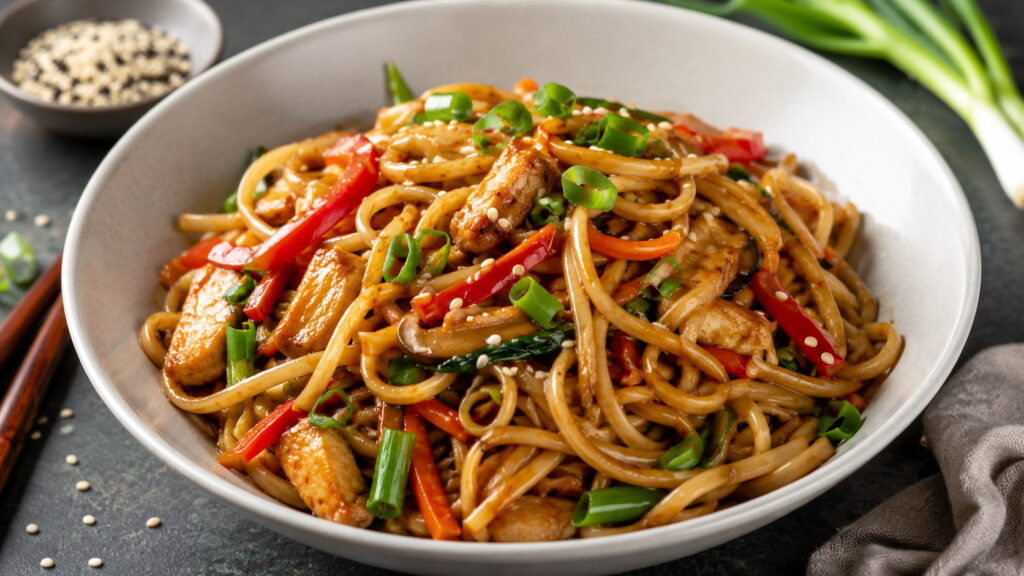
Trader Joe’s Thai wheat noodles recipe has become a go-to for quick, satisfying meals—but making it at home unlocks even better flavor, fresher ingredients, and total control over taste. This guide walks you through exactly how to recreate (and improve) that signature savory-sweet noodle dish using simple pantry staples and a few smart techniques.
You’ll learn how to cook the noodles perfectly, build a balanced sauce, customize with proteins and vegetables, and avoid common mistakes that can ruin texture. Expect practical tips, clear steps, and flexible variations so you can make this dish your own every time.
In This Article
Why Everyone Loves This Trader Joe’s Thai Wheat Noodles Recipe
Trader Joe’s version stands out because it hits that perfect balance of umami, sweetness, and light soy richness—all wrapped around chewy wheat noodles. Recreating it at home means you’re not limited to a frozen portion or fixed seasoning.
Here’s why this recipe works so well:
- Quick and approachable: Ready in about 20 minutes
- Customizable: Add protein, adjust spice, swap veggies
- Budget-friendly: Uses pantry staples and simple ingredients
- Better texture: Freshly cooked noodles beat frozen every time
Home cooking also allows you to tweak salt levels, add brightness with lime, or deepen flavor with garlic and sesame oil—small upgrades that make a big difference.
What Are Trader Joe’s Thai Wheat Noodles, Really?
Trader Joe’s Thai wheat noodles are a convenient, Asian-inspired dish featuring soft wheat noodles coated in a light soy-based sauce. Despite the name, the flavor leans more toward a fusion profile than traditional Thai cuisine.
Key Characteristics
- Noodles: Thick, chewy wheat noodles (similar to udon)
- Sauce: Soy sauce base with mild sweetness and umami depth
- Aromatics: Garlic and sometimes ginger undertones
- Texture: Slightly glossy, lightly coated—not overly saucy
How It Compares to Traditional Thai Noodles
Traditional Thai dishes like Pad See Ew or Pad Thai often include fish sauce, tamarind, or palm sugar. This version is simpler and more neutral, making it incredibly versatile for home cooking.
That flexibility is exactly why recreating Trader Joe’s Thai wheat noodles recipe works so well—you can steer the flavor profile in multiple directions without losing its core appeal.
Ingredients You’ll Need to Recreate Trader Joe’s Thai Wheat Noodles Recipe
A great result starts with the right balance of noodles, sauce, and fresh add-ins. Every ingredient plays a role in building flavor and texture.
Core Ingredients
- Wheat noodles (8–10 oz): Fresh, frozen, or dried (udon works best)
- Soy sauce (3 tbsp): Provides the main savory base
- Garlic (3 cloves, minced): Adds depth and aroma
- Sesame oil (1–2 tsp): Brings nutty richness
- Brown sugar (1–2 tsp): Balances the saltiness
- Neutral oil (1 tbsp): For stir-frying (canola or vegetable oil)
- Water or broth (2–3 tbsp): Helps loosen and coat noodles evenly
Optional Fresh Add-Ins
- Bell peppers, carrots, snap peas, or broccoli
- Green onions for garnish
- Lime wedges for brightness
Protein Options
- Sliced chicken, shrimp, tofu, or thin beef strips
Ingredient Notes (For Better Results)
- Use low-sodium soy sauce if you want more control over saltiness
- Fresh garlic is essential—powder won’t give the same aroma
- Sesame oil should be added at the end to preserve its flavor
Quick Substitutions
- Gluten-free? Swap wheat noodles for rice noodles and use tamari
- No brown sugar? Honey or palm sugar works well
- Want more depth? Add a splash of oyster sauce or mushroom sauce
With these ingredients ready, the next step is building that signature sauce and bringing everything together for a dish that tastes even better than the original.
The Secret Sauce: Flavor Base Behind Thai Wheat Noodles
The magic of this Trader Joe’s Thai wheat noodles recipe comes down to a well-balanced sauce—savory, slightly sweet, and layered with subtle aromatics. Getting this right transforms simple noodles into something deeply satisfying.
Core Sauce Formula
- Soy sauce (3 tbsp): Delivers saltiness and umami
- Brown sugar (1–2 tsp): Adds gentle sweetness to balance the salt
- Water or broth (2–3 tbsp): Helps the sauce coat evenly without becoming too thick
- Garlic (fresh, minced): Builds aroma and depth
- Sesame oil (1–2 tsp): Adds a nutty finish (always add at the end)
Optional Flavor Boosters
- Oyster sauce (1 tsp): Adds richer umami depth
- Chili paste or flakes: For a spicy kick
- Rice vinegar (½ tsp): Brightens the overall flavor
- Grated ginger: Adds warmth and complexity
How to Adjust the Flavor
- Prefer it less salty? Add a splash of water or use low-sodium soy sauce
- Want it sweeter? Increase sugar slightly or add a touch of honey
- Craving heat? Stir in chili oil or fresh chopped chilies
- Looking for depth? A small amount of oyster sauce goes a long way
Pro tip: Taste the sauce before adding it to the noodles. A balanced sauce should taste slightly stronger on its own—it will mellow once mixed.
Step-by-Step Trader Joe’s Thai Wheat Noodles Recipe (Better Than Store-Bought)
This method focuses on timing and heat control so your noodles stay springy, glossy, and perfectly coated.
Recipe Overview
- Prep time: 10 minutes
- Cook time: 10 minutes
- Total time: 20 minutes
- Servings: 2–3
Kitchen Equipment
- Large pot (for noodles)
- Wok or large skillet
- Tongs or chopsticks
- Small bowl (for sauce)
Cooking Instructions
- Cook the noodles
Bring a pot of water to a boil. Cook wheat noodles according to package instructions.- Fresh noodles: 2–3 minutes
- Dried noodles: 6–8 minutes
Drain and rinse briefly under warm water to remove excess starch. Set aside.
- Mix the sauce
In a small bowl, combine soy sauce, brown sugar, water or broth, and optional add-ins. Stir until the sugar dissolves. - Heat the pan
Place a wok or skillet over medium-high heat. Add neutral oil and let it heat until shimmering. - Sauté aromatics
Add minced garlic (and ginger if using). Stir quickly for 20–30 seconds until fragrant.
Avoid browning the garlic, as it can turn bitter. - Add protein (if using)
Cook chicken, shrimp, tofu, or beef until nearly done. Remove briefly if needed to avoid overcooking. - Combine noodles and sauce
Add the cooked noodles to the pan. Pour in the sauce and toss continuously using tongs.
Cook for 2–3 minutes until the noodles absorb the sauce and become glossy. - Finish with sesame oil
Turn off heat and drizzle sesame oil over the noodles. Toss gently. - Add fresh toppings
Garnish with green onions, vegetables, or a squeeze of lime for brightness.
Doneness Cues
- Noodles should be soft but slightly chewy, not mushy
- Sauce should lightly coat each strand—not pool at the bottom
- Aroma should be garlicky and savory with a hint of sweetness
Pro Cooking Tips for Perfect Thai Wheat Noodles Every Time
Small technique tweaks can take your Trader Joe’s Thai wheat noodles recipe from good to restaurant-quality.
Texture & Cooking Control
- Don’t overcook the noodles
Slightly undercook them in water—they’ll finish cooking in the pan. - Use high heat for stir-frying
This helps the sauce cling to the noodles instead of making them soggy. - Avoid overcrowding the pan
Cook in batches if needed to maintain heat and proper texture.
Flavor Enhancements
- Layer flavors gradually
Build from garlic → sauce → finishing oil for depth - Add acid at the end
A squeeze of lime brightens the entire dish instantly - Use fresh ingredients whenever possible
Fresh garlic and vegetables make a noticeable difference
Quick Fixes if Something Goes Wrong
- Too salty? → Add a splash of water or a pinch of sugar
- Too dry? → Add a bit of broth and toss over heat
- Too bland? → A dash of soy sauce or chili oil can revive it
Key takeaway: Control heat, timing, and sauce balance—those three elements determine whether your noodles turn out average or exceptional.
Easy Protein & Veggie Add-Ins to Upgrade This Recipe
One of the best things about this Trader Joe’s Thai wheat noodles recipe is how easily it transforms into a complete meal. Adding protein and vegetables not only boosts nutrition but also brings color, texture, and variety.
Best Protein Options (Cooked First or Separately)
- Chicken (thinly sliced): Mild flavor that absorbs sauce beautifully
- Shrimp (peeled & deveined): Cooks quickly and adds a slightly sweet bite
- Tofu (firm, cubed): Great plant-based option—pan-fry until golden for best texture
- Beef (thin strips): Adds richness; cook quickly over high heat
Tip: Season protein lightly with soy sauce before cooking to build layers of flavor.
Vegetables That Work Perfectly
- Bell peppers (thin strips for crunch)
- Snap peas or snow peas (fresh and slightly sweet)
- Carrots (julienned for texture)
- Broccoli florets (adds heartiness)
- Mushrooms (for umami depth)
How to Balance the Bowl
- Aim for 50% noodles, 25% protein, 25% vegetables
- Add vegetables during stir-frying so they stay crisp, not soggy
- Keep pieces evenly sized for quick, even cooking
Quick combo idea: Chicken + broccoli + carrots = a balanced, crowd-pleasing version.
Common Mistakes to Avoid When Making Thai Wheat Noodles
Even simple recipes can go wrong without the right technique. Avoid these common pitfalls to ensure your Trader Joe’s Thai wheat noodles recipe turns out perfect every time.
Mistake Breakdown & Fixes
| Mistake | What Happens | How to Fix It |
| Overcooking noodles | Mushy, sticky texture | Cook until just tender, then finish in pan |
| Too much sauce | Noodles become soggy | Use just enough to coat lightly |
| Too little sauce | Dry, bland noodles | Add small splashes gradually while tossing |
| Burning garlic | Bitter taste | Cook briefly over medium-high heat, not too long |
| Skipping prep | Uneven cooking | Chop and measure everything before starting |
Key Reminder
Timing is everything. Stir-frying moves fast, so having ingredients ready before you start cooking makes a huge difference in the final result.
Trader Joe’s Thai Wheat Noodles Recipe Variations You’ll Want to Try
Once you’ve mastered the base recipe, it’s easy to customize this dish into something new and exciting. These variations keep the core flavor while adding a creative twist.
Spicy Chili Garlic Version
- Add chili paste or chili oil to the sauce
- Toss in sliced fresh chilies for extra heat
- Finish with a drizzle of spicy oil
Creamy Peanut Twist
- Stir in 1–2 tablespoons peanut butter to the sauce
- Add a splash of warm water to loosen it
- Top with crushed peanuts for texture
Vegan & Plant-Based Version
- Use tofu or mushrooms instead of meat
- Replace oyster sauce with mushroom sauce
- Ensure all sauces are plant-based
Lighter, Healthier Adaptation
- Use low-sodium soy sauce
- Reduce oil slightly and add more vegetables
- Swap part of the noodles with zucchini noodles or cabbage
Flavor Upgrade Idea
Add fresh herbs like cilantro or Thai basil at the end for a more vibrant, aromatic finish.
Each variation keeps the simplicity of Trader Joe’s Thai wheat noodles recipe while letting you tailor it to your taste, diet, or mood—making it a dish you’ll never get bored of.
What to Serve with Thai Wheat Noodles (Complete Meal Ideas)
Trader Joe’s Thai wheat noodles recipe can stand on its own, but pairing it with the right sides turns it into a more satisfying, restaurant-style meal.
Light & Fresh Side Dishes
- Cucumber salad: Crisp, refreshing, and balances the savory noodles
- Spring rolls: Add crunch and a hint of sweetness
- Asian slaw: Brings acidity and texture contrast
Warm Additions
- Vegetable dumplings: Great for a comforting, filling combo
- Egg rolls: Classic pairing with bold flavor
- Simple stir-fried greens: Bok choy or spinach with garlic
Beverage Pairings
- Iced jasmine tea: Light and floral, complements the dish
- Thai iced tea: Creamy and slightly sweet for contrast
- Citrus-infused water or lemonade: Cuts through richness
Serving tip: Add a lime wedge and sprinkle green onions on top right before serving to brighten the entire plate.
Make-Ahead, Storage, and Reheating Tips
Planning ahead makes this Trader Joe’s Thai wheat noodles recipe even more convenient for busy days.
Storage
- Store leftovers in an airtight container in the refrigerator
- Best consumed within 3–4 days
- Keep noodles and extra toppings separate if possible
Reheating
- Stovetop (best method):
Add a splash of water or broth and reheat over medium heat, tossing gently - Microwave:
Cover loosely and heat in short intervals, stirring in between
Freezing
- Freezing is not ideal due to texture changes, but possible
- Store in freezer-safe containers for up to 1 month
- Thaw overnight in the fridge before reheating
Meal Prep Tips
- Prepare sauce in advance and store separately
- Chop vegetables and protein ahead of time
- Cook fresh for best texture, then combine quickly when ready to eat
Nutrition Snapshot: Is This Thai Wheat Noodles Recipe Healthy?
This dish can be balanced and nourishing with a few mindful adjustments.
Estimated Nutrition (Per Serving)
| Nutrient | Amount |
| Calories | 350–450 kcal |
| Carbohydrates | 50–60 g |
| Protein | 10–20 g (depending on add-ins) |
| Fat | 10–15 g |
| Sodium | Moderate to high (adjustable) |
How to Make It Healthier
- Use low-sodium soy sauce to reduce salt intake
- Add more vegetables to increase fiber and nutrients
- Choose lean proteins like chicken breast or tofu
- Reduce oil slightly without sacrificing flavor
For general healthy eating guidance and sodium recommendations, refer to the
https://www.cdc.gov/salt/index.htm
FAQs About Trader Joe’s Thai Wheat Noodles Recipe
Can I use different noodles instead of wheat noodles?
Yes, udon, ramen, or even rice noodles work well. Keep in mind that texture will vary slightly depending on the type used.
How do I make this recipe gluten-free?
Swap wheat noodles for rice noodles and use tamari or a certified gluten-free soy sauce.
Can I freeze Thai wheat noodles after cooking?
You can, but the texture may become softer after reheating. For best results, store in the refrigerator and consume within a few days.
How do I make it taste exactly like Trader Joe’s version?
Stick to a simple sauce of soy sauce, sugar, garlic, and sesame oil without overpowering it with too many extras. Balance is key.
Why are my noodles sticky or clumping together?
This usually happens from overcooking or not rinsing after boiling. Tossing with a bit of oil also helps prevent sticking.
Can I make this ahead for meal prep?
Yes. Prepare all components ahead of time, but combine and reheat just before serving for the best texture.
Final Thoughts: Why This Trader Joe’s Thai Wheat Noodles Recipe Belongs in Your Weekly Rotation
This Trader Joe’s Thai wheat noodles recipe proves that a simple dish can deliver big flavor with minimal effort. It’s quick enough for busy weeknights, flexible enough for endless variations, and satisfying enough to become a regular in your meal rotation.
Try it once, then experiment with your favorite proteins, vegetables, or spice levels to make it uniquely yours. Save this recipe for later, share it with fellow noodle lovers, and enjoy a homemade version that’s even better than store-bought.
