
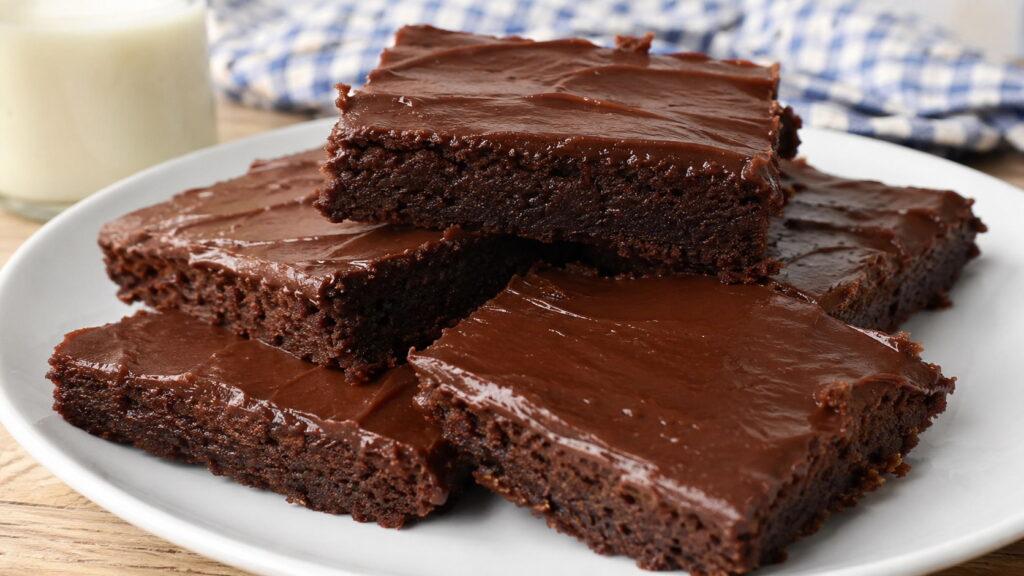
Few desserts have earned the loyal following of the lunchroom ladies 50 year old brownie recipe. Famous for rich chocolate flavor, a soft fudgy crumb, and warm chocolate frosting spread over freshly baked brownies, this vintage cafeteria favorite has stood the test of time because it delivers dependable results with simple pantry ingredients.
Every section below is designed to help you recreate authentic school cafeteria brownies at home. You’ll learn why the recipe works so well, how each ingredient affects the finished texture, the best baking techniques, ingredient substitutions, and practical tips for producing moist, flavorful brownies every time.
In This Article
Why the Lunchroom Ladies 50 Year Old Brownie Recipe Is Still a Family Favorite
Long before gourmet brownies filled bakery shelves, school lunchrooms served homemade chocolate brownies that became unforgettable for generations of students. Many cafeteria cooks relied on large-batch recipes that emphasized consistency, affordability, and incredible flavor without requiring specialty ingredients.
Unlike many modern brownies loaded with chocolate chips or elaborate mix-ins, the original recipe focuses on balance. Every bite delivers chocolate richness without becoming overly sweet, while a glossy frosting adds another layer of flavor without overpowering the brownie itself.
Several qualities explain why families continue baking the lunchroom ladies 50 year old brownie recipe today:
- Easy-to-find pantry ingredients
- Simple preparation suitable for beginner bakers
- Soft, moist texture with lightly chewy edges
- Classic chocolate frosting poured over warm brownies
- Reliable results for birthdays, potlucks, bake sales, and holidays
Many home bakers appreciate vintage recipes because they were developed for repeat success rather than visual trends. Careful ingredient ratios create brownies that stay moist for several days while remaining sturdy enough to cut into clean squares.
Preparation at a glance:
| Detail | Information |
| Prep Time | 15 minutes |
| Bake Time | 25–30 minutes |
| Cooling Time | 45 minutes |
| Total Time | About 1 hour 30 minutes |
| Yield | 16–24 brownies |
| Difficulty | Easy |
What Makes the Lunchroom Ladies 50 Year Old Brownie Recipe So Special?
Rich Chocolate Flavor Without Being Overly Sweet
Natural cocoa powder provides deep chocolate flavor while keeping the brownies pleasantly balanced. Butter contributes richness, while vanilla softens cocoa’s slight bitterness.
Many modern brownie recipes rely heavily on melted chocolate. Traditional cafeteria brownies instead allow cocoa powder to shine, producing a nostalgic flavor many people instantly recognize.
Soft, Fudgy Interior with Delicate Chewy Edges
Proper mixing creates a texture somewhere between cakey and ultra-fudgy.
Eggs provide structure without making the brownies airy, while butter keeps every bite tender. Careful baking prevents dryness, leaving the center moist and slightly dense.
Expert Tip: Remove the brownies when a toothpick comes out with a few moist crumbs attached rather than completely clean. Residual heat finishes the baking process as the pan cools.
Signature Chocolate Frosting Poured Over Warm Brownies
One defining characteristic of the lunchroom ladies 50 year old brownie recipe is the frosting.
Warm frosting spreads effortlessly across freshly baked brownies, creating a smooth finish that lightly sets while remaining soft enough to bite through without cracking.
Waiting until the brownies cool completely makes spreading much more difficult and prevents the frosting from bonding with the surface.
Pantry Staples That Deliver Consistent Results
Nothing about the recipe feels complicated. Common ingredients combine to produce dependable results every time.
Core ingredients include:
- Butter
- Granulated sugar
- Eggs
- All-purpose flour
- Unsweetened cocoa powder
- Vanilla extract
- Salt
Quality cocoa powder makes the biggest difference in flavor. Fresh ingredients also improve both texture and aroma. The King Arthur Baking Ingredient Guide offers an excellent explanation of how baking ingredients work together if you’d like to understand the science behind successful baking: https://www.kingarthurbaking.com/learn
Ingredients You’ll Need for Authentic Cafeteria-Style Brownies
Every ingredient has a specific purpose. Understanding each one makes troubleshooting much easier and helps maintain the classic cafeteria texture.
Brownie Ingredients
- 1 cup unsalted butter, melted
- 2 cups granulated sugar
- 4 large eggs, room temperature
- 1 tablespoon vanilla extract
- 1½ cups all-purpose flour
- ½ cup unsweetened cocoa powder
- 1 teaspoon salt
Chocolate Frosting Ingredients
- ¼ cup unsalted butter
- ¼ cup whole milk
- ¼ cup unsweetened cocoa powder
- 3 cups powdered sugar
- 1 teaspoon vanilla extract
Why Each Ingredient Matters
| Ingredient | Purpose |
| Butter | Adds richness, moisture, and tender texture |
| Sugar | Sweetens while helping create a soft crumb |
| Eggs | Build structure and provide moisture |
| Flour | Gives stability without making brownies tough |
| Cocoa Powder | Supplies concentrated chocolate flavor |
| Salt | Enhances chocolate and balances sweetness |
| Vanilla | Rounds out the chocolate flavor |
| Powdered Sugar | Creates smooth, creamy frosting |
Choosing the Best Cocoa Powder
Natural unsweetened cocoa powder closely matches many vintage recipes and produces the familiar cafeteria brownie flavor.
Dutch-process cocoa creates a darker color and milder chocolate taste, making brownies slightly smoother and less tangy. Either works well, although natural cocoa remains the better choice for a more authentic result.
Optional Additions That Keep the Classic Character
Small additions can personalize the recipe without losing its nostalgic appeal.
- ½ cup chopped walnuts for extra crunch
- ½ cup chopped pecans for buttery flavor
- 1 teaspoon espresso powder to deepen chocolate notes
- Mini chocolate chips for extra richness
- Flaky sea salt sprinkled over the frosting for a modern finish
Keeping additions modest allows the classic lunchroom ladies 50 year old brownie recipe to remain the star while adding subtle layers of flavor and texture.
Step-by-Step: How to Make the Original Lunchroom Ladies 50 Year Old Brownie Recipe
One reason the lunchroom ladies 50 year old brownie recipe has remained popular is its straightforward preparation. Careful mixing and proper baking are far more important than advanced baking skills.
Kitchen Equipment
Gather everything before you begin:
- 9×13-inch baking pan
- Large mixing bowl
- Medium saucepan
- Whisk
- Rubber spatula
- Measuring cups and spoons
- Cooling rack
- Offset spatula or butter knife for frosting
Prepare the Pan
Preheat your oven to 350°F (175°C).
Grease a 9×13-inch baking pan with butter or baking spray. Lining the pan with parchment paper, leaving a slight overhang on two sides, makes lifting and slicing much easier after the brownies cool.
Mix the Brownie Batter
- Whisk the melted butter and granulated sugar together until smooth.
- Add the eggs one at a time, mixing well after each addition.
- Stir in the vanilla extract.
- Whisk the flour, cocoa powder, and salt together in a separate bowl.
- Fold the dry ingredients into the wet ingredients until no dry streaks remain.
Important: Stop mixing as soon as the batter comes together. Overmixing develops gluten, which can produce tougher, cakier brownies instead of the soft, dense texture associated with vintage cafeteria brownies.
Bake Until Perfectly Moist
Spread the batter evenly into the prepared pan.
Bake for 25 to 30 minutes, depending on your oven.
Look for these doneness cues:
- Edges are set and slightly pulling away from the pan.
- Center no longer appears glossy.
- A toothpick inserted near the center comes out with a few moist crumbs—not wet batter.
Every oven bakes a little differently, so begin checking around the 25-minute mark.
Make the Warm Chocolate Frosting
While the brownies bake, prepare the frosting.
- Melt the butter in a saucepan over medium-low heat.
- Stir in the milk and cocoa powder until smooth.
- Remove from the heat.
- Gradually whisk in the powdered sugar until silky.
- Stir in the vanilla extract.
A smooth frosting should pour easily without becoming runny. If it seems too thick, add milk 1 teaspoon at a time until spreadable.
Frost While the Brownies Are Warm
Allow the brownies to cool for about 5 to 10 minutes after removing them from the oven.
Pour the warm frosting over the brownies and spread it into an even layer using an offset spatula.
Applying frosting while the brownies are still warm allows the frosting to settle into the surface slightly, creating the signature finish that made school cafeteria brownies so memorable.
Cool Before Cutting
Patience pays off here.
Allow the brownies to cool completely—about 45 minutes—before slicing into squares.
Expert Tip: Chill the pan for 20 minutes after cooling if you want exceptionally clean, bakery-style edges.
Baking Secrets That Guarantee Perfect Brownies Every Time
Small adjustments can make a noticeable difference in flavor, texture, and appearance. These practical techniques help recreate authentic cafeteria brownies instead of dry or overly cakey ones.
Measure Ingredients Accurately
Flour is one of the easiest ingredients to overmeasure.
Rather than scooping directly with the measuring cup, fluff the flour first, spoon it into the cup, and level it with a straight edge.
Too much flour leads to:
- Dense brownies
- Dry texture
- Less pronounced chocolate flavor
Use Room-Temperature Eggs
Room-temperature eggs blend more smoothly into the batter, creating a more even texture throughout.
Cold eggs can cause melted butter to firm up too quickly, resulting in uneven mixing.
Avoid Overbaking
Vintage brownies are meant to stay moist.
Remember that brownies continue cooking from residual heat after leaving the oven.
Best indicator: Moist crumbs on the toothpick are exactly what you’re looking for.
Spread the Frosting at the Right Time
Timing matters almost as much as the frosting recipe itself.
Brownies that are too hot may cause the frosting to become thin and runny.
Brownies that are completely cool won’t allow the frosting to settle into the top layer.
Waiting about 5–10 minutes after baking creates the ideal surface.
Let the Brownies Rest
Fresh brownies smell tempting, but cutting too early often leads to broken edges and messy slices.
Cooling allows:
- The crumb to firm up.
- The frosting to set.
- Flavors to fully develop.
- Cleaner, more attractive squares.
Key Takeaway: Most vintage brownie recipes actually taste even better several hours after baking because the chocolate flavor becomes more pronounced as the brownies rest.
Easy Ingredient Swaps Without Losing the Classic Flavor
Traditional recipes are wonderfully forgiving. A few thoughtful substitutions allow you to work with ingredients already in your pantry while preserving the familiar taste and texture.
Butter vs. Margarine
Many original school cafeteria recipes were made with margarine because it was economical and widely available.
| Option | Result |
| Unsalted Butter | Richer flavor and softer crumb |
| Margarine | More authentic cafeteria-style taste with a slightly lighter texture |
Butter remains the preferred choice for home baking, although either option works well.
Natural Cocoa vs. Dutch-Process Cocoa
Choosing the right cocoa changes both flavor and appearance.
| Natural Cocoa | Dutch-Process Cocoa |
| Brighter chocolate flavor | Milder, smoother flavor |
| Slightly lighter color | Darker appearance |
| More traditional taste | More modern chocolate profile |
Natural cocoa most closely matches classic lunchroom brownies.
Flour Alternatives
Need a gluten-free version?
Replace the all-purpose flour with a 1-to-1 gluten-free baking flour blend containing xanthan gum. The brownies may be slightly more delicate, but they will still have a rich chocolate flavor.
Avoid almond or coconut flour as direct substitutions, since they absorb moisture differently and significantly change the texture.
Dairy-Free Options
Simple swaps can accommodate dairy-free diets without sacrificing moisture.
- Replace butter with a quality plant-based baking butter.
- Substitute whole milk in the frosting with oat milk or unsweetened soy milk.
Choose unsweetened alternatives to keep the sweetness balanced.
Adjusting Sweetness
Some bakers prefer desserts with a deeper chocolate profile and less sweetness.
Easy ways to achieve that include:
- Reducing the granulated sugar by ¼ cup.
- Using dark cocoa powder for a richer flavor.
- Sprinkling flaky sea salt over the frosting to balance sweetness.
Reducing sugar beyond ¼ cup is not recommended, since sugar contributes moisture and tenderness in addition to sweetness.
Optional Flavor Enhancements
Looking to personalize the recipe without losing its nostalgic charm?
Try one of these subtle additions:
- Espresso powder to intensify chocolate flavor without adding coffee taste.
- Pure almond extract in place of a small amount of vanilla for a bakery-style aroma.
- Finely chopped toasted pecans or walnuts for added crunch.
- Mini chocolate chips folded into the batter for pockets of melted chocolate.
Each variation keeps the spirit of the original lunchroom ladies 50 year old brownie recipe intact while allowing you to make the recipe your own.
Delicious Variations on the Lunchroom Ladies 50 Year Old Brownie Recipe
Part of the charm of the lunchroom ladies 50 year old brownie recipe is how easily it can be customized without losing its nostalgic appeal. Small changes can introduce new flavors while preserving the moist texture and signature chocolate frosting.
Walnut Brownies
Chopped walnuts were a common addition to vintage cafeteria desserts.
Fold ½ to ¾ cup chopped walnuts into the batter just before spreading it into the pan. Toasting the walnuts for 5 to 7 minutes before mixing them in enhances their nutty flavor and adds extra crunch.
Buttery Pecan Brownies
Pecans offer a slightly sweeter, richer flavor than walnuts.
Stir toasted chopped pecans into the batter or sprinkle them over the warm frosting before it sets. Every bite gains a pleasant contrast between the soft brownie and crisp nuts.
Double Chocolate Version
Chocolate lovers can easily intensify the richness.
Mix one of the following into the batter:
- ½ cup semi-sweet chocolate chips
- ½ cup dark chocolate chips
- A combination of both for extra depth
Chocolate chips soften during baking, creating pockets of melted chocolate throughout the brownies.
Espresso-Enhanced Brownies
Chocolate and coffee naturally complement one another.
Add 1 teaspoon espresso powder to the dry ingredients. Espresso doesn’t make the brownies taste like coffee—it simply amplifies the cocoa flavor, making every bite richer and more complex.
Peanut Butter Swirl
Creamy peanut butter adds a nostalgic twist without overwhelming the classic recipe.
Drop small spoonfuls of slightly warmed peanut butter over the brownie batter and gently swirl with a butter knife before baking. Avoid overmixing the swirl so distinct ribbons remain visible after baking.
Holiday Brownies
Seasonal flavors make the recipe suitable for celebrations throughout the year.
Popular additions include:
- Crushed peppermint candies over the frosting for winter holidays
- Orange zest mixed into the batter for a bright citrus note
- Festive sprinkles for birthdays and school parties
- Mini marshmallows lightly toasted under the broiler for a s’mores-inspired finish
Keeping additions simple allows the original brownie flavor to remain front and center.
Common Mistakes That Can Ruin Vintage Brownies
Even an easy recipe can produce disappointing results if a few key steps are overlooked. Understanding the most common baking mistakes makes success much more likely on the first attempt.
Mixing the Batter Too Much
Once the flour is added, gentle folding is all that’s needed.
Excessive mixing develops gluten, producing brownies that are firmer and more cake-like than intended.
Best practice: Stir only until the flour disappears.
Baking Too Long
Overbaking is one of the quickest ways to lose the soft, moist texture that defines cafeteria brownies.
Brownies continue cooking after leaving the oven, so removing them slightly early helps preserve their fudgy center.
Using the Wrong Pan Size
Changing the pan dimensions affects both baking time and texture.
| Pan Size | Expected Result |
| 9×13-inch | Traditional thickness and even baking |
| 8×8-inch | Much thicker brownies requiring additional baking time |
| Larger sheet pan | Thin brownies that bake much faster |
Following the original pan size produces the most authentic results.
Frosting at the Wrong Temperature
Warm brownies and warm frosting create the signature finish.
Frosting poured over piping-hot brownies may become overly thin, while frosting spread onto fully cooled brownies won’t develop the classic smooth layer.
Waiting 5 to 10 minutes after baking creates the ideal temperature balance.
Cutting Before Cooling
Fresh brownies are delicate.
Slicing too soon causes:
- Crumbling edges
- Uneven pieces
- Frosting that smears across the knife
- Brownies that fall apart when served
Allowing the brownies to cool completely creates cleaner slices and a better overall texture.
Skipping Ingredient Measurements
Eyeballing ingredients works for some recipes but rarely for brownies.
Accurate measuring keeps the balance between moisture, structure, and chocolate flavor exactly where it should be.
Quick Troubleshooting Guide
| Problem | Likely Cause | Easy Fix |
| Dry brownies | Overbaked or too much flour | Bake a few minutes less and measure flour carefully |
| Dense texture | Batter overmixed | Fold gently until combined |
| Greasy surface | Butter wasn’t fully incorporated | Whisk butter and sugar thoroughly |
| Crumbly brownies | Too little moisture or overbaking | Check doneness earlier and avoid overbaking |
| Frosting won’t spread | Frosting cooled too much | Warm gently and stir until smooth |
Serving Ideas That Make These Brownies Even Better
Freshly baked brownies are delicious on their own, but thoughtful serving ideas can turn a simple dessert into something memorable for family dinners, parties, or holiday gatherings.
Serve Warm for Maximum Chocolate Flavor
Slightly warm brownies have an irresistibly soft center and silky frosting.
Warm individual servings in the microwave for 10 to 15 seconds before serving. Short heating restores the freshly baked texture without drying the brownies.
Pair with Classic Ice Cream
Few desserts pair with chocolate better than vanilla ice cream.
Cold, creamy ice cream balances the rich cocoa flavor while creating a contrast between warm and cool temperatures.
Other excellent flavors include:
- Butter pecan
- Chocolate
- Coffee
- Salted caramel
Add Fresh Fruit
Fresh berries provide brightness that balances the richness of the brownies.
Great choices include:
- Strawberries
- Raspberries
- Cherries
- Blueberries
Their natural acidity keeps each bite from feeling overly sweet.
Build an Easy Dessert Platter
Brownies become even more inviting when presented alongside complementary treats.
Arrange brownie squares with:
- Fresh fruit
- Whipped cream
- Chocolate-covered strawberries
- Toasted nuts
- Caramel sauce
- Mini cookies
Such a dessert board works well for birthdays, potlucks, holiday gatherings, and casual family celebrations.
Beverage Pairings
The rich chocolate flavor pairs beautifully with both hot and cold drinks.
| Beverage | Why It Works |
| Cold milk | Classic pairing that balances sweetness |
| Freshly brewed coffee | Enhances chocolate’s natural depth |
| Hot chocolate | Perfect for cozy winter gatherings |
| Black tea | Provides a lighter contrast to the rich dessert |
| Espresso | Complements the brownie’s deep cocoa flavor |
Whether served plain, topped with ice cream, or dressed up for a celebration, the lunchroom ladies 50 year old brownie recipe delivers the comforting homemade flavor that has made it a favorite for generations.
How to Store, Freeze, and Keep Brownies Fresh
One advantage of the lunchroom ladies 50 year old brownie recipe is how well the brownies keep after baking. Proper storage preserves their moist texture and prevents the frosting from drying out.
Storing at Room Temperature
Once the brownies have cooled completely, place them in an airtight container.
For the best texture:
- Layer parchment or wax paper between stacked brownies.
- Store at room temperature for up to 4 days.
- Keep the container away from direct sunlight and heat sources.
Properly stored brownies often taste even better the next day because the chocolate flavor has had time to develop.
Refrigeration Tips
Refrigeration extends freshness but slightly firms the texture.
Store brownies in an airtight container for up to 1 week.
Allow individual pieces to sit at room temperature for about 20 minutes before serving to soften the crumb and frosting.
Freezing Instructions
Freezing works exceptionally well for this vintage brownie recipe.
Follow these steps:
- Cool the brownies completely.
- Cut into individual squares.
- Wrap each square tightly in plastic wrap.
- Place the wrapped brownies in a freezer-safe container or zip-top freezer bag.
- Label with the freezing date.
Brownies maintain their best quality for up to 3 months.
Best Way to Thaw
Transfer frozen brownies to the refrigerator overnight or let them rest at room temperature for 1 to 2 hours.
Avoid microwaving frozen brownies directly, as rapid heating can make the frosting separate or become overly soft.
Reheating Without Drying Them Out
When you’d like the taste of freshly baked brownies, gentle reheating is the key.
- Microwave: Heat one brownie for 10–15 seconds.
- Oven: Warm at 300°F (150°C) for about 5 minutes.
Expert Tip: Place a scoop of vanilla ice cream on a warm brownie for a dessert that tastes freshly baked from scratch.
Frequently Asked Questions About the Lunchroom Ladies 50 Year Old Brownie Recipe
Why are they called lunchroom ladies brownies?
The recipe became famous because similar brownies were served in school cafeterias across the United States. Many cafeteria cooks, often affectionately called “lunchroom ladies,” prepared large batches using dependable recipes that delivered consistent results for hundreds of students.
Can I make the lunchroom ladies 50 year old brownie recipe ahead of time?
Yes. Brownies can be baked one or two days in advance and stored in an airtight container at room temperature. Many people find the flavor becomes even richer after resting overnight.
Can I double the recipe?
Absolutely. Doubling the recipe works well for bake sales, family reunions, and holiday gatherings. Divide the batter between two 9×13-inch pans instead of using one oversized pan to ensure even baking.
Can I leave out the nuts?
Yes. The classic version doesn’t require nuts, making the recipe naturally suitable for those who prefer a smooth brownie texture. Optional walnuts or pecans simply add extra crunch.
How do I know when the brownies are done baking?
Look for set edges and a center that no longer appears glossy. A toothpick inserted near the middle should come out with a few moist crumbs attached. Wet batter means the brownies need more time, while a completely clean toothpick often indicates overbaking.
Can I use salted butter instead of unsalted butter?
Yes. Reduce the added salt in the recipe by about ¼ teaspoon to keep the chocolate flavor balanced.
Why did my brownies turn out cakey instead of fudgy?
Too much flour, overmixing the batter, or baking too long are the most common causes. Measuring ingredients carefully and removing the brownies while moist crumbs still cling to a toothpick helps maintain the signature fudgy texture.
Can I make the frosting ahead of time?
Freshly prepared frosting spreads most easily. If made in advance, warm it gently over low heat or in short microwave intervals while stirring until smooth and spreadable.
Why This Lunchroom Ladies 50 Year Old Brownie Recipe Deserves a Place in Every Baker’s Collection
Few desserts offer the same combination of simplicity, nostalgia, and dependable results as the lunchroom ladies 50 year old brownie recipe. Straightforward ingredients, an easy mixing method, and the iconic warm chocolate frosting come together to create brownies that have delighted families for generations.
Whether you’re baking for a school event, holiday gathering, potluck, or simply satisfying a chocolate craving, the recipe delivers soft, rich brownies with classic homemade flavor every time. Small variations—such as adding toasted nuts, espresso powder, or a peanut butter swirl—allow you to make the recipe your own while preserving its timeless character.
Save the recipe for future baking days, share a batch with family and friends, and don’t hesitate to experiment with your favorite mix-ins once you’ve mastered the original. Every pan carries a little bit of baking history, proving that some recipes never go out of style. Happy baking!
