
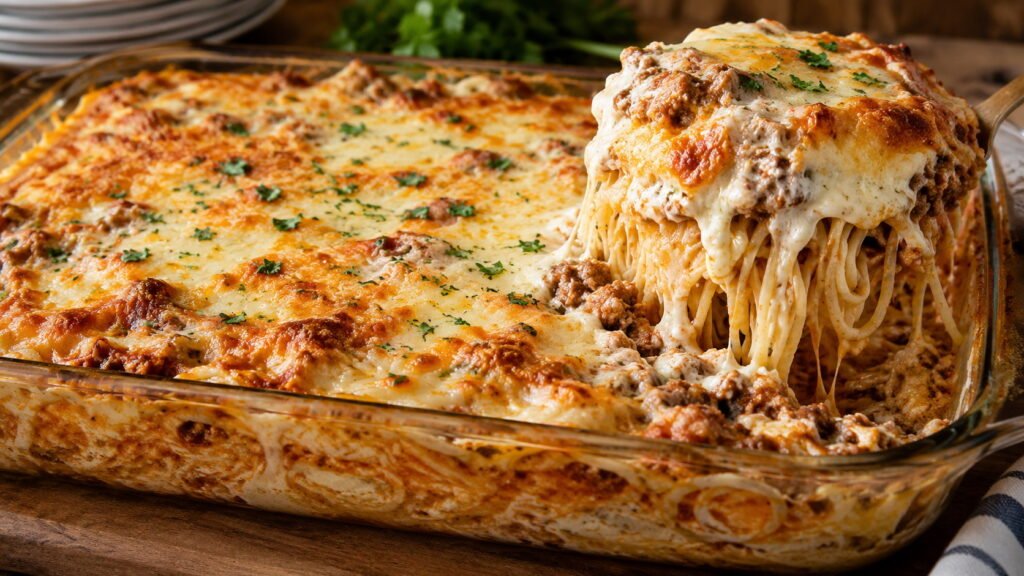
Million dollar baked spaghetti with Alfredo and meat sauce is the ultimate comfort food for anyone who loves creamy pasta, hearty ground beef, and a bubbling layer of melted cheese. Combining rich Alfredo sauce, savory tomato meat sauce, tender spaghetti, and a creamy cheese filling, this baked spaghetti casserole turns familiar ingredients into a satisfying family dinner.
The secret to making this million dollar spaghetti casserole especially delicious is balancing the creamy and savory layers without letting the pasta become mushy or dry. Each serving delivers tender noodles, flavorful meat sauce, a smooth cheese center, and a golden mozzarella topping that makes the dish feel extra special.
Whether you are planning a cozy weeknight meal, preparing dinner for guests, or bringing a casserole to a potluck, this recipe is a dependable crowd-pleaser. You will learn how to choose the best ingredients, prepare the creamy filling, layer the sauces, bake the spaghetti to perfection, and store leftovers for another meal.
In This Article
What Makes Million Dollar Baked Spaghetti with Alfredo and Meat Sauce So Irresistible?
Traditional baked spaghetti usually features pasta, tomato sauce, ground beef, and melted cheese. The million dollar version takes things further by introducing a creamy cheese layer and Alfredo sauce, creating a richer casserole with several distinct flavors and textures.
The combination works because each ingredient serves a different purpose. Tomato-based meat sauce brings savory depth and acidity, Alfredo sauce adds buttery garlic-Parmesan richness, and the cream cheese filling creates a soft, tangy layer between the noodles and meat.
The secret behind the million-dollar flavor
Three elements make the casserole stand out:
- Creamy cheese filling: Softened cream cheese combined with sour cream or cottage cheese creates a rich, smooth layer that contrasts beautifully with the meat sauce.
- Two complementary sauces: Alfredo sauce coats the spaghetti with creamy flavor, while tomato-based meat sauce adds acidity and seasoned beef.
- A generous cheese topping: Mozzarella melts into a stretchy layer, while Parmesan contributes a salty, nutty finish.
The result is more substantial than ordinary spaghetti with sauce poured over the top. Every forkful combines multiple flavors, making the casserole satisfying without requiring complicated cooking techniques.
Why Alfredo sauce and meat sauce work together
Alfredo sauce is rich and creamy, while tomato sauce provides brightness and a slightly tangy flavor. Combining the two creates a balanced pasta dish when the quantities are controlled.
Too much Alfredo can make the casserole feel heavy, while too little sauce can leave the spaghetti dry after baking. A good approach is to coat the cooked spaghetti with Alfredo sauce, then layer the seasoned meat sauce separately so both flavors remain noticeable.
Cooking tip: Taste the meat sauce before assembling the casserole. Seasoning the beef and tomato sauce properly is important because the cream cheese, mozzarella, and Alfredo sauce also contribute salt and richness.
When to serve this cheesy spaghetti casserole
Million dollar baked spaghetti works particularly well for:
- Family dinners when everyone wants a hearty, comforting meal.
- Potlucks and casual gatherings because the casserole can be prepared in a large baking dish.
- Weekend meal prep when you want leftovers ready for busy evenings.
- Special family dinners when traditional spaghetti deserves a richer, more indulgent twist.
Serve the casserole after a short resting period so the creamy layers settle and the portions hold together more easily.
Ingredients for Million Dollar Baked Spaghetti with Alfredo and Meat Sauce
The best million dollar baked spaghetti starts with familiar, easy-to-find ingredients. You can use your favorite jarred pasta sauces to save time, while a few simple preparation techniques help the finished casserole taste homemade.
The following recipe makes approximately 8 servings in a 9-by-13-inch baking dish.
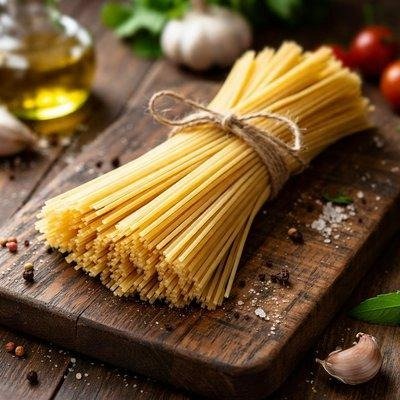
Spaghetti and pasta ingredients
- 12 ounces (340 g) dry spaghetti
- 1 tablespoon olive oil, optional
- Salt for the pasta water
Spaghetti provides the structure of the casserole. Cooking the noodles slightly under al dente allows them to finish softening in the oven without becoming mushy.
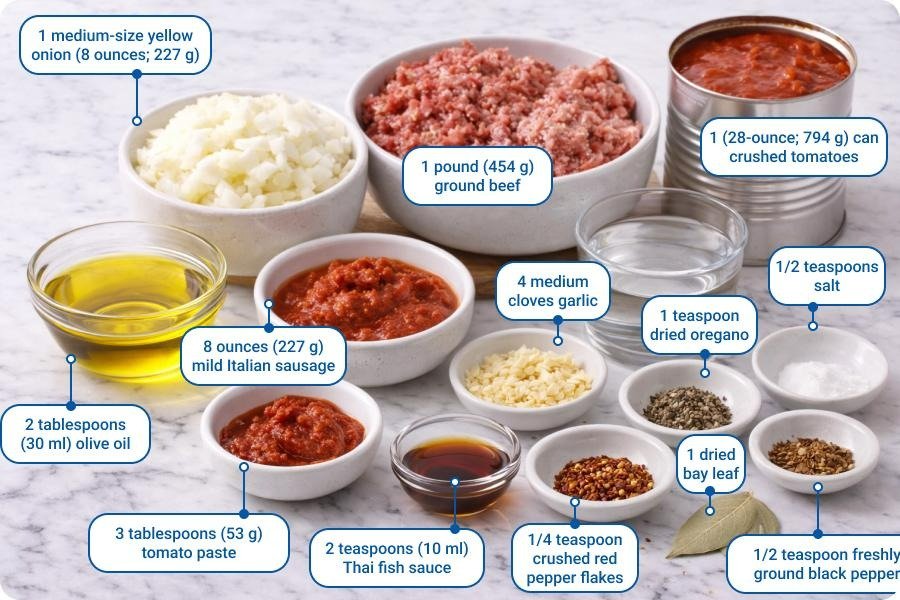
For the meat sauce
- 1 pound (450 g) ground beef
- 1 small onion, finely diced
- 3 cloves garlic, minced
- 24 ounces (680 g) marinara or spaghetti sauce
- 1 teaspoon Italian seasoning
- ½ teaspoon black pepper, or to taste
- Salt, as needed
Ground beef gives the casserole a hearty, savory flavor. Onion and garlic build an aromatic base, while marinara provides moisture and acidity.
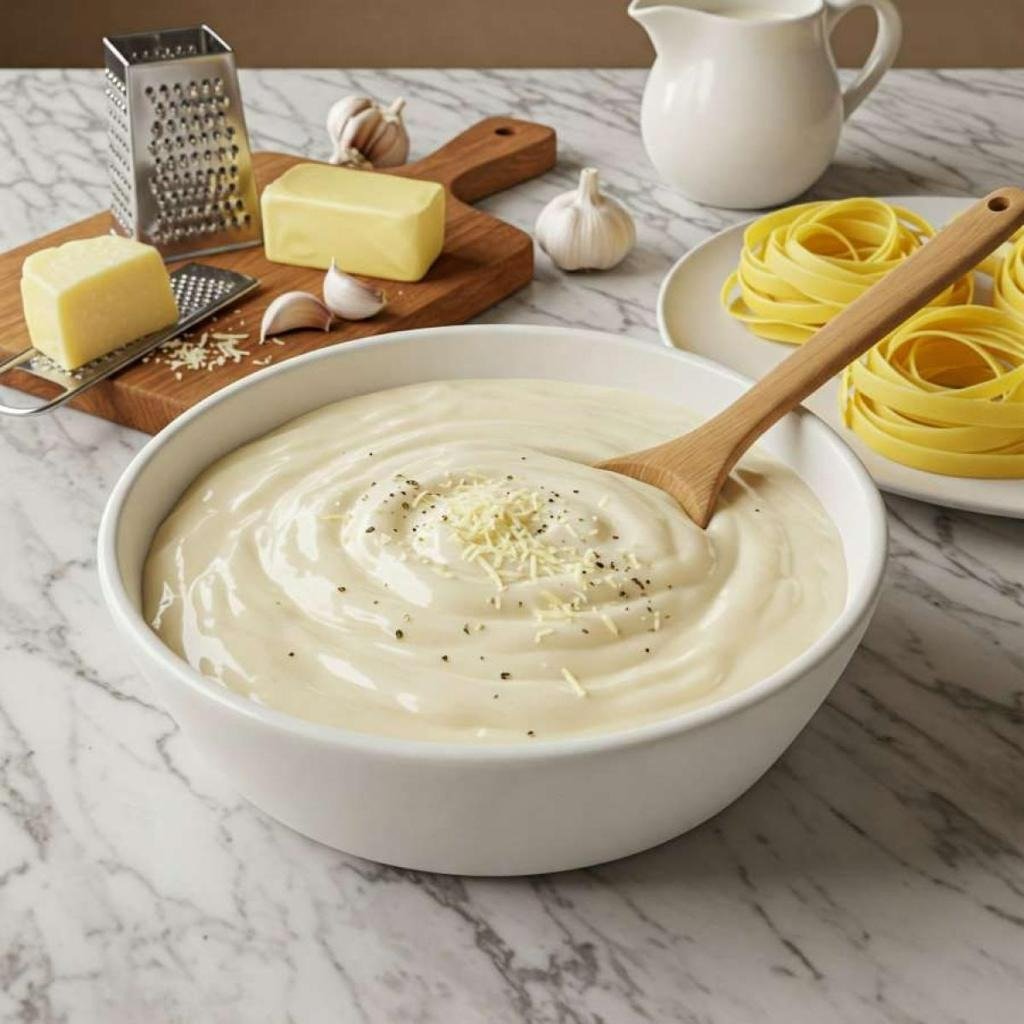
For the Alfredo layer
– 15 ounces (425 g) prepared Alfredo sauce
Jarred Alfredo sauce keeps preparation simple. Choose a creamy garlic-Parmesan variety, or use homemade Alfredo if you prefer a fresher flavor. A sauce with a pourable but not watery consistency works best.
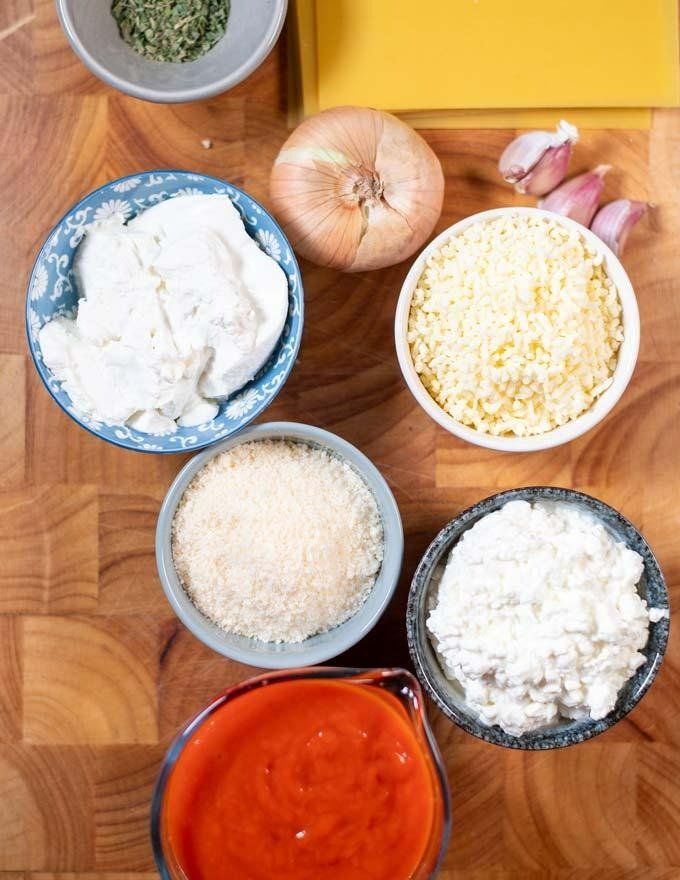
For the creamy cheese filling and topping
- 8 ounces (225 g) cream cheese, softened
- ½ cup (120 g) sour cream
- 1 cup (100 g) shredded mozzarella, for layering
- 1½ cups (150 g) shredded mozzarella, for the top
- ¼ cup (25 g) grated Parmesan cheese
- ½ teaspoon garlic powder, optional
Cream cheese creates the signature rich middle layer, sour cream adds tanginess, and mozzarella melts into a gooey topping. Parmesan adds savory flavor without making the filling overly heavy.
Ingredient notes for the best results
Ground beef: Lean ground beef, around 85–90% lean, works well because it provides plenty of flavor without leaving excessive grease in the casserole. Drain excess fat after browning if necessary.
Cream cheese: Let the cream cheese soften at room temperature before mixing. Cold cream cheese tends to form lumps, making the filling harder to spread evenly.
Mozzarella: Low-moisture, whole-milk mozzarella gives a particularly satisfying melt. Pre-shredded mozzarella is convenient, while freshly shredded cheese often melts more smoothly.
Marinara sauce: Choose a tomato sauce you already enjoy eating with pasta. A well-seasoned marinara with garlic and herbs provides a flavorful contrast to the creamy Alfredo.
Alfredo sauce: Avoid choosing an excessively thick sauce that is difficult to distribute through the noodles. If your sauce is very thick, stir it well before combining it with the spaghetti.
Ingredient substitutions that work well
| Ingredient | Substitute | What to expect |
| Ground beef | Ground turkey or Italian sausage | Turkey tastes lighter; sausage adds more seasoning and richness. |
| Sour cream | Plain, unsweetened Greek yogurt | A tangier filling with a slightly different texture. |
| Cream cheese | Ricotta cheese | A softer, less tangy filling that may be less dense. |
| Mozzarella | Provolone or a mozzarella-provolone blend | A more pronounced savory flavor with good melting qualities. |
| Spaghetti | Linguine, fettuccine, or penne | A slightly different texture while keeping the casserole concept intact. |
| Jarred Alfredo | Homemade Alfredo sauce | More control over the garlic, Parmesan, and overall richness. |
Important: Avoid replacing the cream cheese with a thin liquid dairy product, since the filling needs enough body to remain distinct after baking. If using cottage cheese instead, blend it until smooth for a more uniform layer.
Kitchen equipment you’ll need
Gather the equipment before cooking to make assembly easier:
- A large pot for boiling spaghetti
- A colander for draining the pasta
- A large skillet for preparing the meat sauce
- A mixing bowl and spoon or spatula for the cheese filling
- A 9-by-13-inch baking dish
- Aluminum foil for covering the casserole if the cheese browns too quickly
- A sharp knife and cutting board for preparing the onion and garlic
Choosing the Best Alfredo and Meat Sauces for a Balanced Casserole
The two sauces determine much of the final flavor, so choosing compatible varieties is worth a little attention. The goal is to create a creamy, savory casserole in which neither sauce overwhelms the other.
Homemade Alfredo or store-bought Alfredo?
Both options work well for million dollar baked spaghetti with Alfredo and meat sauce. Your choice depends on how much preparation time you have and how rich you want the dish to taste.
Store-bought Alfredo sauce is ideal for a quick dinner. Look for a sauce with a balanced garlic and Parmesan flavor rather than one that tastes excessively salty. Stir the sauce before measuring because some varieties separate slightly in the jar.
Homemade Alfredo sauce gives you more control over the texture and seasoning. A simple version can be made by gently warming butter, cream, and grated Parmesan until smooth. Garlic adds aroma, while a small amount of black pepper balances the richness.
Keep homemade Alfredo at a gentle heat rather than allowing it to boil vigorously. Excessive heat can cause some cream-based sauces to separate or become grainy.
How to select a flavorful meat sauce
Marinara or traditional spaghetti sauce provides the tomato base for the casserole. Choose one with a savory flavor and enough acidity to balance the creamy cheese layers.
A sauce with garlic, onion, basil, or oregano is a natural match for ground beef. If the sauce is very sweet, add a little extra black pepper or Italian seasoning rather than automatically adding more salt.
Brown the beef before adding the tomato sauce. Allowing the meat to develop some color builds a deeper flavor than simply simmering raw ground beef in sauce.
Getting the sauce ratio right
The recipe uses 15 ounces of Alfredo sauce and 24 ounces of tomato-based meat sauce. The Alfredo coats the spaghetti, while the larger quantity of meat sauce supplies moisture and distributes the beef throughout the casserole.
Keep the following points in mind:
- Coat the noodles evenly: Every strand should have a light coating of Alfredo sauce.
- Keep the meat sauce moist: Simmer the beef and marinara until flavorful, but avoid reducing the sauce until it becomes thick and dry.
- Taste before layering: Both sauces should be seasoned before they go into the baking dish.
- Save extra sauce if needed: If your spaghetti looks dry during assembly, add a little extra sauce rather than forcing the noodles into a compact, dry layer.
The final casserole should be creamy and cohesive, with bubbling sauce around the edges and melted cheese across the top. Allowing the sauces to complement each other, rather than mixing everything into one heavy sauce, gives every layer a purpose.
How to Prepare the Creamy Million Dollar Cheese Filling
The creamy cheese filling is one of the defining features of million dollar baked spaghetti with Alfredo and meat sauce. Rather than relying on melted mozzarella alone, the filling creates a soft, tangy layer that contrasts with the seasoned beef and creamy pasta.
Getting the texture right is important. The mixture should be thick enough to spread across the spaghetti but soft enough to blend into the casserole as it bakes.
Ingredients for the creamy filling
For this recipe, you will need:
- 8 ounces (225 g) softened cream cheese
- ½ cup (120 g) sour cream
- ¼ cup (25 g) grated Parmesan cheese
- ½ teaspoon garlic powder, optional
- A pinch of black pepper, to taste
The mozzarella is reserved for layering and topping rather than mixed into the filling. Keeping the ingredients separate helps create distinct creamy and stretchy cheese layers.
How to make a smooth cheese mixture
Step 1: Soften the cream cheese. Remove the cream cheese from the refrigerator about 30–45 minutes before mixing. Softened cream cheese blends more easily and helps prevent small lumps from forming.
Step 2: Combine the dairy ingredients. Place the cream cheese and sour cream in a medium mixing bowl. Stir with a spatula or use a hand mixer on low speed until the mixture becomes smooth.
Step 3: Add the seasonings. Mix in the Parmesan, garlic powder, and black pepper. Taste a small amount and adjust the seasoning if needed, remembering that the meat sauce and mozzarella will contribute additional flavor.
Step 4: Check the consistency. The finished mixture should resemble a thick, spreadable cream cheese dip. If it feels too firm, stir in another spoonful of sour cream. Avoid making the filling runny, since excess moisture can cause the layers to slide apart.
Tips for the best creamy filling
- Use room-temperature cream cheese. Cold cream cheese is harder to mix and may leave dense pockets in the finished casserole.
- Avoid overmixing. Mix only until the ingredients are combined and smooth.
- Spread gently. Use the back of a spoon or a flexible spatula to distribute the filling without pushing the spaghetti around.
- Keep the mixture thick. A thick filling stays in place better during assembly and gives the casserole its signature creamy center.
Cottage cheese or ricotta can replace the sour cream or part of the cream cheese if you prefer a different texture. Blending cottage cheese before mixing produces a smoother filling, while ricotta creates a softer, milder layer.
Make-ahead tip: Prepare the cheese mixture up to one day in advance and refrigerate it in an airtight container. Let it sit briefly at room temperature before assembling the casserole so it becomes easier to spread.
Step-by-Step: How to Make Million Dollar Baked Spaghetti with Alfredo and Meat Sauce
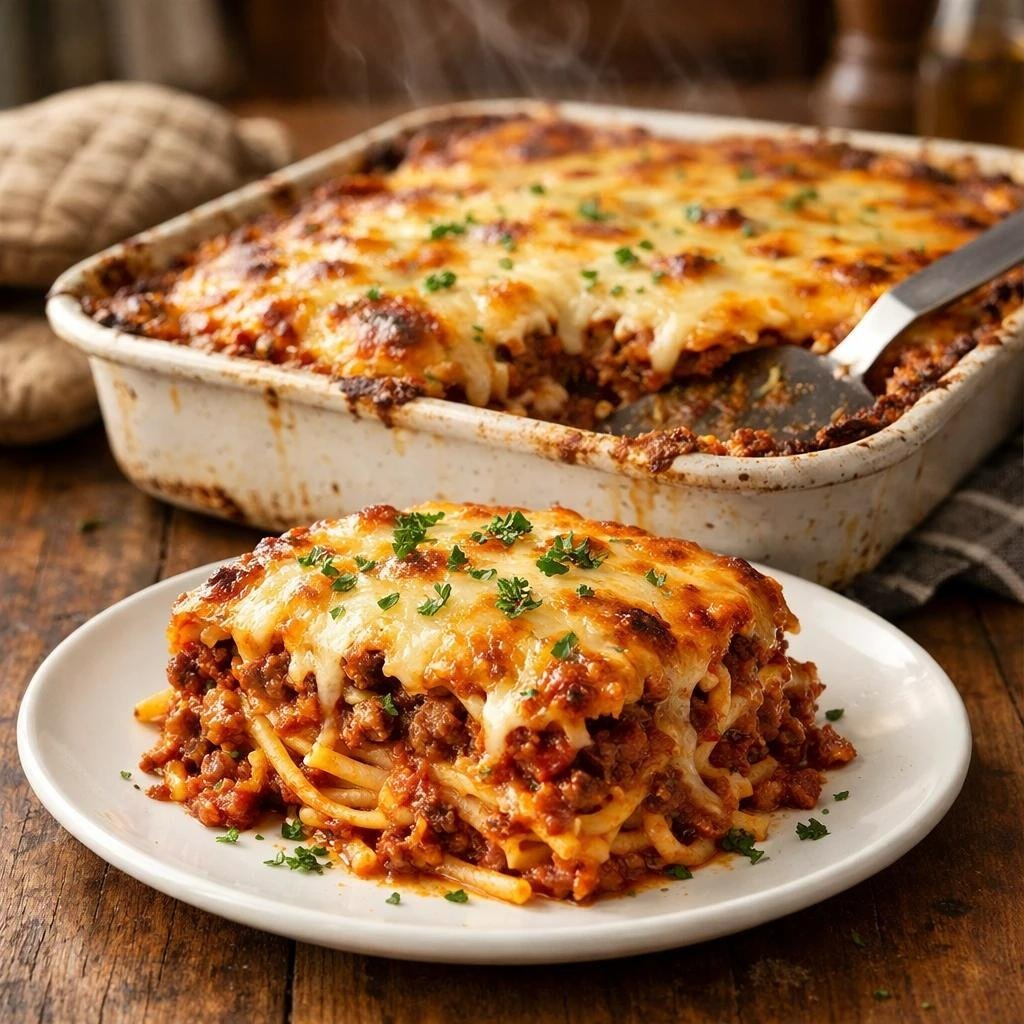
Recipe at a glance
Preparation time
20 minutes
Cooking time
40 minutes, approximately
Servings
8 portions
Oven temperature
350°F (175°C)
The process is straightforward: cook the spaghetti, prepare the meat sauce, mix the cheese filling, layer everything in a baking dish, and bake until the cheese melts and the casserole heats through.
Step 1: Preheat the oven and prepare the baking dish
Preheat the oven to 350°F (175°C). Lightly grease a 9-by-13-inch baking dish with butter or cooking spray to make serving and cleanup easier.
Set out the prepared Alfredo sauce, cheese filling, shredded mozzarella, and Parmesan before assembling the casserole. Having everything ready makes layering quicker and helps prevent the cooked pasta from sitting too long and sticking together.
Step 2: Cook the spaghetti until just shy of al dente
Bring a large pot of salted water to a boil. Add 12 ounces of spaghetti and cook according to the package directions, reducing the cooking time by about 1–2 minutes.
The noodles should be flexible but still slightly firm in the center. They will continue cooking as the casserole bakes, so fully tender pasta can become too soft by the time the cheese melts.
Drain the spaghetti thoroughly. Avoid rinsing it unless necessary to stop cooking, since the remaining surface starch helps the Alfredo sauce cling to the noodles.
Key tip: Do not leave drained spaghetti sitting in the colander for several minutes. Toss it promptly with the Alfredo sauce to prevent sticking.
Step 3: Prepare the savory ground beef meat sauce
Place a large skillet over medium heat and add the ground beef. Break the meat into small pieces with a wooden spoon or spatula and cook until browned, stirring occasionally.
Add the diced onion and cook for approximately 3–4 minutes, until softened. Stir in the minced garlic and cook for another 30 seconds, taking care not to burn it.
Drain excess fat if necessary, then stir in the marinara sauce, Italian seasoning, and black pepper. Simmer gently for 5–8 minutes to allow the flavors to combine.
Taste the sauce before moving on. Add salt only as needed because the Parmesan, mozzarella, and prepared sauces may already contain plenty.
The meat sauce should remain moist and spoonable. A sauce that has reduced too much may leave the casserole dry, particularly around the edges.
Step 4: Coat the spaghetti with Alfredo sauce
Transfer the drained spaghetti to a large bowl or return it to the pot with the heat turned off. Add the 15 ounces of Alfredo sauce and toss until the noodles are evenly coated.
Separate any clumps with tongs or a fork. Every portion should have a creamy coating, but the pasta should not be swimming in sauce.
If the Alfredo sauce is especially thick, stir it well before adding it. A small splash of warm water or milk can loosen an unusually thick sauce, although the amount should be minimal to avoid diluting the flavor.
Step 5: Mix the creamy cheese filling
Combine the softened cream cheese, sour cream, Parmesan, and optional garlic powder in a mixing bowl. Stir until smooth and spreadable.
If you prepared the filling earlier and refrigerated it, allow it to soften slightly before using. A firm filling is difficult to distribute over the spaghetti and may create thick, uneven patches.
Step 6: Assemble the million dollar baked spaghetti casserole
Spread approximately half of the Alfredo-coated spaghetti across the bottom of the prepared baking dish. Arrange the noodles into an even layer without pressing them down too firmly.
Spoon the creamy cheese mixture over the pasta. Gently spread it across the surface, leaving no need to make the layer perfectly smooth.
Sprinkle 1 cup of shredded mozzarella over the creamy filling, then spoon the meat sauce evenly across the top. Add the remaining spaghetti if you prefer a more distinct layered casserole, or use the following practical arrangement for a more evenly distributed result:
- Half of the Alfredo-coated spaghetti
- All of the cream cheese filling, spread gently
- Half of the meat sauce
- Remaining Alfredo-coated spaghetti
- Remaining meat sauce
- The remaining 1½ cups mozzarella and the reserved Parmesan
The layers do not need to be perfectly uniform. The most important point is to distribute the filling and sauce so each serving includes pasta, creamy cheese, and meat.
Assembly tip: Leave a little space between the top of the casserole and the rim of the dish. The sauce may bubble as the cheese melts, and extra room helps prevent spills.
Step 7: Bake until hot, bubbly, and golden
Place the baking dish on the middle oven rack and bake uncovered for approximately 25–30 minutes.
Look for melted cheese, bubbling sauce around the edges, and a hot center. If the top begins browning before the casserole is heated through, cover it loosely with aluminum foil.
A casserole assembled directly from refrigerated ingredients may need additional baking time. Check the center rather than relying on the clock alone.
For food safety, use a food thermometer when appropriate, particularly when reheating a previously cooked or chilled casserole. Leftovers should reach 165°F (74°C) in the center.
Step 8: Rest before slicing and serving
Remove the casserole from the oven and let it rest for about 10 minutes. The sauce will settle slightly, and the creamy filling will become easier to portion.
Cut into squares with a sharp knife or serving spatula, lifting each portion carefully to preserve the layers.
Garnish with a little chopped fresh parsley or extra Parmesan if desired. Serve while warm, when the mozzarella is still stretchy and the Alfredo-coated spaghetti remains creamy.
Cooking timeline
| Stage | Approximate time |
| Prepare ingredients and soften filling | 20 minutes |
| Cook spaghetti | 8–10 minutes |
| Brown beef and simmer meat sauce | 12–15 minutes |
| Assemble casserole | 5–10 minutes |
| Bake | 25–30 minutes |
| Rest before serving | 10 minutes |
Some steps can overlap, so the overall preparation and cooking time is approximately 60–70 minutes, depending on your equipment and how quickly the ingredients are prepared.
Final success tip: The best million dollar baked spaghetti with Alfredo and meat sauce should be creamy without being watery, cheesy without being greasy, and firm enough to serve in generous portions. Slightly undercook the pasta, keep both sauces moist, and allow the casserole to rest before serving for the most reliable results.
The Best Layering Method for Creamy, Cheesy Baked Spaghetti
The way you layer million dollar baked spaghetti with Alfredo and meat sauce affects the texture of every serving. A well-assembled casserole has tender noodles, a creamy cheese center, savory meat sauce throughout, and a golden layer of melted mozzarella on top.
The goal is to distribute the ingredients evenly without compressing the pasta or allowing the creamy filling to collect in one spot. A little attention during assembly helps prevent dry edges and ensures every portion tastes as good as the first.
Should Alfredo sauce go on the bottom or be mixed with the spaghetti?
Mixing Alfredo sauce directly with the cooked spaghetti is the most reliable approach for this recipe. Coating the noodles first helps distribute the creamy flavor evenly and reduces the chance of ending up with plain, dry pasta beneath the cheese layers.
Placing a little meat sauce on the bottom of the baking dish is another option, particularly if you want to protect the bottom layer from drying out. However, the sauce should be spread thinly rather than poured in a thick pool.
For the best results, follow this assembly order:
- Lightly grease the baking dish.
- Spread a small amount of meat sauce on the bottom if desired.
- Add half of the Alfredo-coated spaghetti.
- Spread the cream cheese mixture gently across the pasta.
- Add a portion of the meat sauce and mozzarella.
- Layer the remaining spaghetti and meat sauce.
- Finish with the remaining mozzarella and Parmesan.
The exact order can vary depending on whether you prefer distinct layers or a more integrated casserole. Keeping the cheese topping at the top helps it melt and brown without being buried beneath the sauce.
How to spread the cream cheese filling without making a mess
Cream cheese filling can be sticky, especially when the spaghetti is still warm. Rather than trying to spread the entire mixture in one thick layer, divide it into several spoonfuls and distribute them across the pasta.
Use a flexible spatula to connect the spoonfuls gently. There is no need to press the filling all the way to the bottom of the dish because the warmth of the oven will soften it during baking.
Helpful trick: If the filling is difficult to spread, let it sit at room temperature briefly. A softer mixture moves more easily without pulling the noodles out of place.
How to keep the casserole moist from edge to center
Dry spaghetti usually results from overcooked or insufficiently sauced pasta, an overly thick meat sauce, or excessive baking time. The edges tend to dry first because they are exposed to more heat.
Use these techniques to protect the texture:
- Cook the spaghetti slightly under al dente. The noodles need room to finish cooking in the oven.
- Keep the meat sauce moist. Simmer long enough to develop flavor, but do not reduce the sauce until it becomes pasty.
- Avoid packing the noodles tightly. A loosely arranged layer allows the sauces to distribute more evenly.
- Watch the cheese topping. Cover the casserole loosely with foil if the mozzarella browns too quickly.
- Allow a short resting period. Ten minutes after baking helps the layers settle without drying out the pasta.
If you notice the casserole becoming dry during assembly, mix a little extra marinara or Alfredo sauce into the spaghetti before layering. Adding a large amount of liquid at the end is less effective because it may create watery pockets instead of evenly moist pasta.
Baking Time, Temperature, and Texture: How to Get It Just Right
The ideal baked spaghetti casserole has melted cheese, bubbling sauce, tender noodles, and a creamy middle that holds together when served. Achieving that combination depends on using the right oven temperature and knowing when to remove the dish.
What temperature should you use for baked spaghetti?
Bake million dollar baked spaghetti with Alfredo and meat sauce at 350°F (175°C) in a conventional oven.
A moderate temperature allows the sauce to heat through while giving the mozzarella enough time to melt. Higher temperatures may brown the cheese too quickly, leaving the center insufficiently heated.
For a freshly assembled casserole with warm meat sauce and cooked pasta, start checking the dish after approximately 25 minutes. Most casseroles of this size will need around 25–30 minutes, although oven performance and the temperature of the ingredients can affect the timing.
How to tell when the casserole is done
Look for several signs rather than relying on appearance alone.
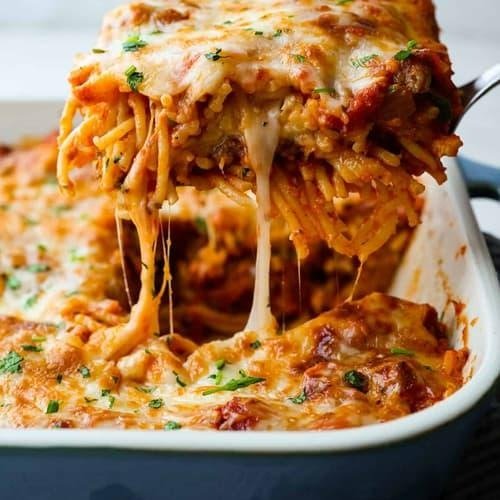
The cheese is fully melted
Mozzarella should cover the top in a smooth, stretchy layer. Light golden spots are welcome, but dark or scorched patches indicate excessive browning.
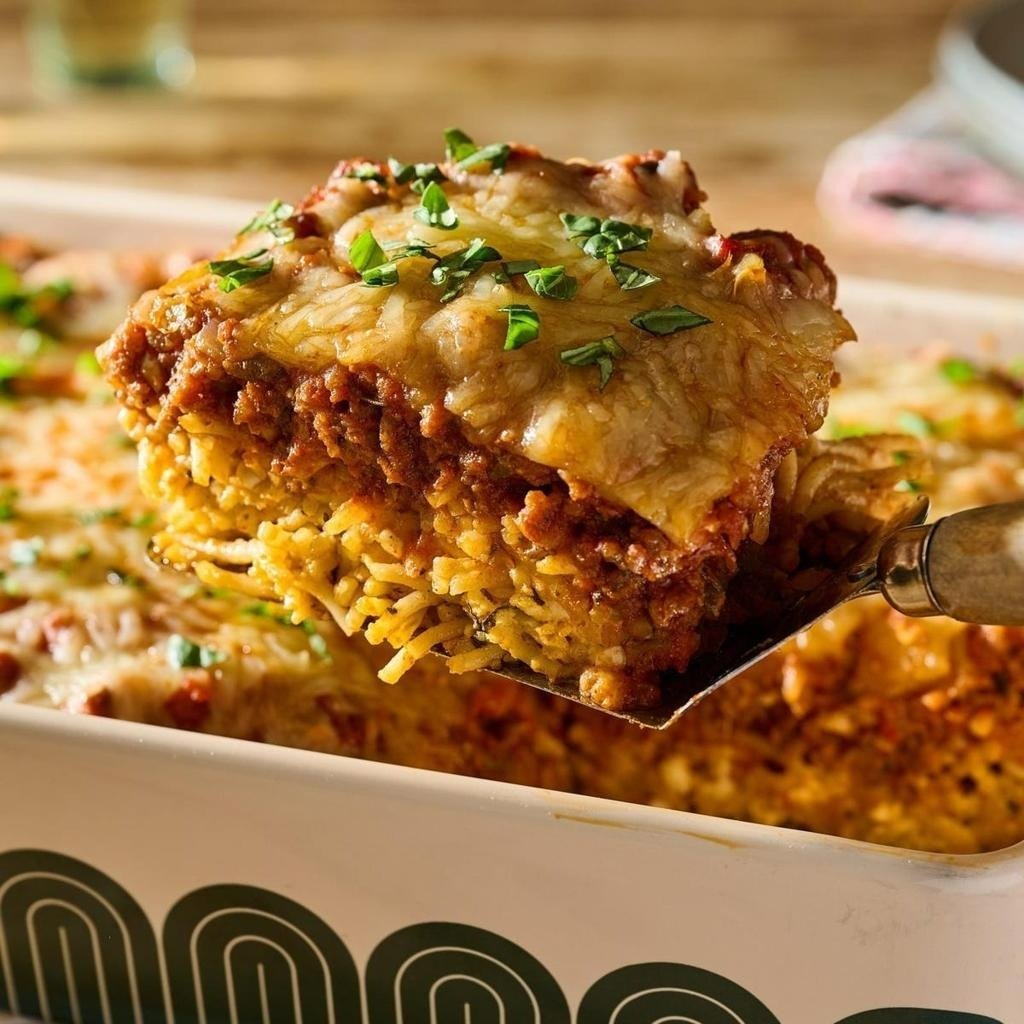
The sauce bubbles around the edges
Gentle bubbling indicates that the sauce is heating well. Check the center too, since bubbling at the edges alone does not guarantee that the entire casserole is hot.
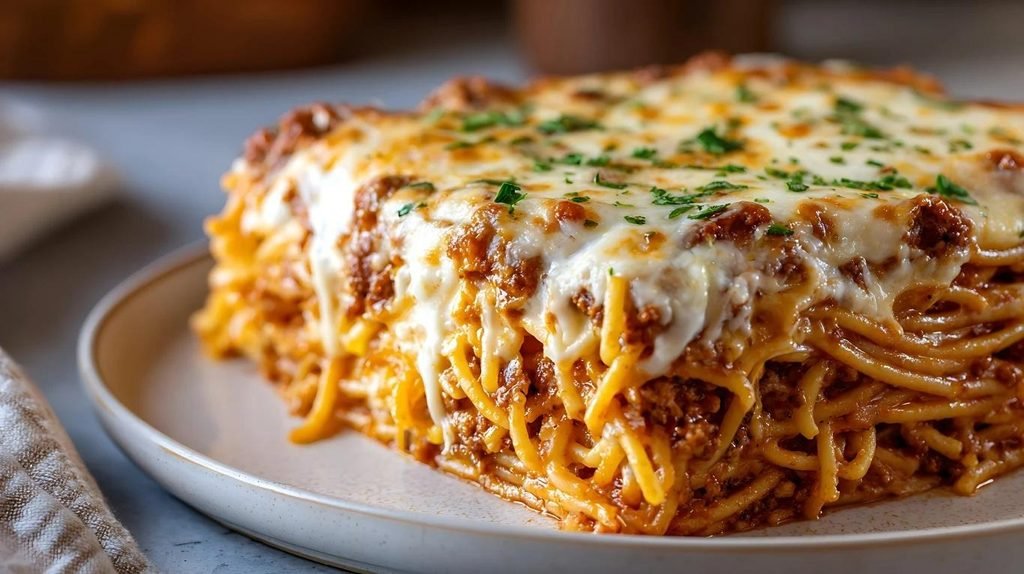
The center is hot and the pasta is tender
Insert a thermometer into the center when checking food safety, avoiding contact with the baking dish. If reheating leftovers, the center should reach 165°F (74°C).
How long should you bake refrigerated baked spaghetti?
A casserole prepared ahead and stored in the refrigerator will generally take longer to heat than one assembled immediately before baking.
For a chilled casserole, begin checking after approximately 35–45 minutes at 350°F (175°C), allowing additional time if needed. Cover the dish loosely with foil during the initial baking period to prevent the cheese from becoming too dark before the center heats through.
Food-safety note: Do not leave a prepared casserole sitting at room temperature for an extended period. Refrigerate it promptly, and use a thermometer to verify that the center is hot enough before serving.
If you are using a glass or ceramic baking dish, follow the manufacturer’s instructions about transferring a cold dish into a hot oven. Sudden temperature changes can cause some dishes to crack.
Why resting time matters
Cutting baked spaghetti immediately after it leaves the oven can cause the sauce and cheese filling to spread across the plate. Allowing the casserole to rest for about 10 minutes gives the ingredients time to settle.
The noodles will remain moist, the cheese will still be stretchy, and individual portions will be easier to lift out of the dish.
Avoid leaving the casserole uncovered for too long after baking. A prolonged resting period can cool the center and allow moisture to escape from the surface.
Common Mistakes That Can Ruin Million Dollar Baked Spaghetti
Even a simple spaghetti casserole can turn out dry, greasy, or overly soft when a few details are overlooked. Fortunately, most problems are easy to prevent with the right ingredient proportions and cooking methods.
Mistakes to avoid when making baked spaghetti
| Common mistake | Why it happens | How to fix it |
| Mushy spaghetti | Pasta was fully cooked before baking. | Boil the noodles 1–2 minutes less than the package directions recommend. |
| Dry casserole | Too little sauce or excessive baking time. | Coat the spaghetti evenly with Alfredo and keep the meat sauce moist. |
| Watery cheese layers | The filling is too thin or the sauce contains excess liquid. | Keep the cream cheese mixture thick and simmer watery meat sauce briefly before assembly. |
| Lumpy cheese filling | Cream cheese was too cold. | Soften the cream cheese before mixing it with sour cream. |
| Greasy meat sauce | Excess fat remains after browning the beef. | Drain excess grease before adding marinara sauce. |
| Burnt mozzarella | The cheese is exposed to heat for too long. | Cover loosely with foil if the topping browns before the center is hot. |
| Bland flavor | The meat sauce was not seasoned sufficiently. | Taste and season the meat sauce before assembling the casserole. |
| Layers fall apart | The casserole is cut immediately after baking. | Rest for about 10 minutes before serving. |
Why is my million dollar baked spaghetti dry?
Dryness usually comes from a combination of overcooked pasta, insufficient sauce, and excessive oven time. Spaghetti absorbs moisture as it bakes, so noodles that are already soft before entering the oven can become unpleasantly mushy while the edges dry out.
To prevent the problem, cook the pasta slightly under al dente and toss it with Alfredo sauce while it is still warm. Keep the meat sauce loose enough to spread easily, and avoid baking the casserole longer than necessary.
If the top browns before the center heats through, cover the dish with foil rather than increasing the oven temperature.
Why does my baked spaghetti turn watery?
Excess moisture can come from watery marinara, vegetables releasing liquid, or a cheese filling made too thin. Frozen vegetables that have not been thawed and drained properly can also introduce extra water.
Simmer the meat sauce until it thickens slightly, drain excess fat and liquid from the cooked beef, and sauté moisture-heavy vegetables before adding them to the casserole.
The cheese filling should be thick and spreadable, not pourable. Using the recommended quantities of cream cheese and sour cream helps maintain the structure of the layers.
How do I prevent greasy or overly rich spaghetti casserole?
Alfredo sauce, cream cheese, mozzarella, and ground beef all contribute richness. The casserole tastes best when those ingredients are balanced rather than piled on without regard to their proportions.
Choose lean ground beef and drain excess fat after browning. Measure the Alfredo sauce instead of pouring directly from the jar, and use the recommended amount of mozzarella.
A fresh green salad, roasted broccoli, or steamed green beans also provides a pleasant contrast to the creamy pasta.
What should I do if the cheese browns too quickly?
Lowering the oven temperature is not always necessary. If the casserole is baking at 350°F (175°C) and the mozzarella is already golden while the center remains cool, cover the dish loosely with aluminum foil.
Continue baking until the center is thoroughly heated. Remove the foil during the final few minutes only if the topping needs additional color.
The most important rule: Million dollar baked spaghetti should come out of the oven hot and creamy, not dried out or swimming in liquid. Properly cooked pasta, balanced sauces, a thick cheese filling, and careful baking will give you the best texture every time.
Easy Ingredient Swaps and Delicious Million Dollar Baked Spaghetti Variations
One of the best things about million dollar baked spaghetti with Alfredo and meat sauce is how easily you can customize it. The combination of creamy pasta, seasoned meat, and melted cheese works with several different ingredients, so you can adjust the flavor to suit your family without losing the casserole’s signature richness.
Million dollar baked spaghetti with Italian sausage
Replace some or all of the ground beef with Italian sausage for a deeper, more robust flavor. Mild Italian sausage adds garlic and herb notes, while hot Italian sausage brings a little heat.
Remove the sausage from its casing if necessary, brown it in a skillet, and break it into small pieces as it cooks. Drain excess fat before adding the marinara sauce, particularly when using regular pork sausage.
The sausage version pairs especially well with Parmesan, mozzarella, and a garlic-forward Alfredo sauce.
Three-cheese baked spaghetti casserole
For an extra-cheesy casserole, combine mozzarella, Parmesan, and provolone. Each cheese contributes a different quality:
- Mozzarella: Creates a stretchy, gooey topping.
- Parmesan: Adds salty, nutty flavor and savory depth.
- Provolone: Provides a slightly sharper flavor and melts smoothly.
You can also replace part of the cream cheese filling with ricotta for a softer, more traditional Italian-style cheese layer.
Keep the overall amount of cheese reasonable. Adding too much can make the casserole greasy and overpower the balance between Alfredo and tomato meat sauce.
Extra-creamy Alfredo baked spaghetti
If you prefer a particularly rich casserole, increase the Alfredo sauce slightly or add a little more sour cream to the cheese filling.
Start with an additional 2–3 tablespoons of Alfredo sauce rather than doubling the amount. Toss the sauce thoroughly with the spaghetti and check the consistency before layering.
The noodles should look lightly coated and creamy, not submerged in liquid. Remember that the cream cheese filling and mozzarella already contribute plenty of richness.
Vegetable-packed spaghetti casserole
Vegetables add color, flavor, and variety to this hearty dish. Mushrooms, spinach, bell peppers, and zucchini all work well with beef, Alfredo, and marinara.
Prepare vegetables before adding them to the casserole:
- Sauté sliced mushrooms until their released moisture evaporates.
- Cook diced bell peppers with the onion and garlic.
- Wilt spinach in a skillet, then squeeze out excess liquid.
- Sauté zucchini until lightly tender to prevent it from releasing too much water during baking.
Distribute the vegetables through the meat sauce for even flavor in every serving. Avoid adding large quantities of raw, water-rich vegetables because they can make the finished casserole watery.
Spicy million dollar baked spaghetti
For a little heat, add ¼–½ teaspoon of red pepper flakes to the meat sauce. You can also use hot Italian sausage or a small amount of spicy arrabbiata sauce.
Keep the Alfredo sauce relatively mild so the creamy layer balances the heat from the tomato sauce. Taste the meat sauce before assembly and adjust the spice level gradually.
A lighter version with simple substitutions
Million dollar baked spaghetti is naturally rich, but a few ingredient changes can make the casserole feel less heavy.
- Choose lean ground beef or ground turkey.
- Use a reduced-fat cream cheese if desired.
- Replace some of the mozzarella with a smaller amount of Parmesan for a more concentrated cheese flavor.
- Add sautéed vegetables to increase the variety of textures.
- Serve moderate portions alongside a fresh salad or steamed vegetables.
Reduced-fat dairy products may produce a slightly different texture, particularly after baking. The goal is to maintain enough moisture and creaminess for the spaghetti to hold together.
What to Serve with Million Dollar Baked Spaghetti with Alfredo and Meat Sauce
A rich spaghetti casserole benefits from side dishes that add freshness, crunch, or a lighter flavor. You do not need an elaborate menu because the baked spaghetti already contains pasta, meat, sauce, and cheese.
Garlic bread for soaking up the sauce
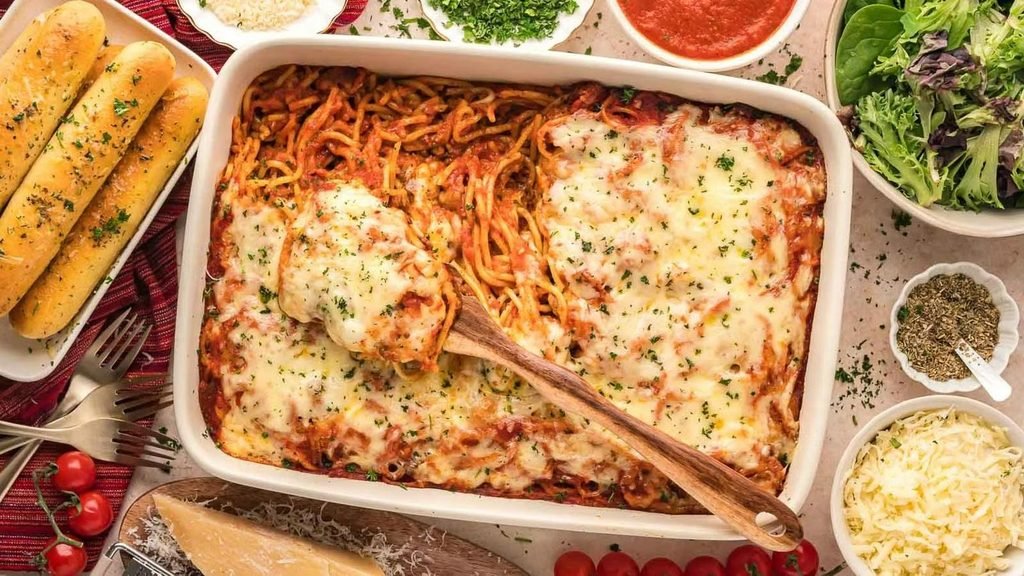
Garlic bread is a classic companion to baked spaghetti. Crisp edges and buttery garlic flavor complement the creamy Alfredo and savory tomato sauce.
Serve toasted baguette slices, garlic knots, or homemade garlic bread warm from the oven. If the casserole is already very rich, use a lighter garlic-and-herb topping rather than adding excessive butter and cheese.
Fresh green salad for a refreshing contrast
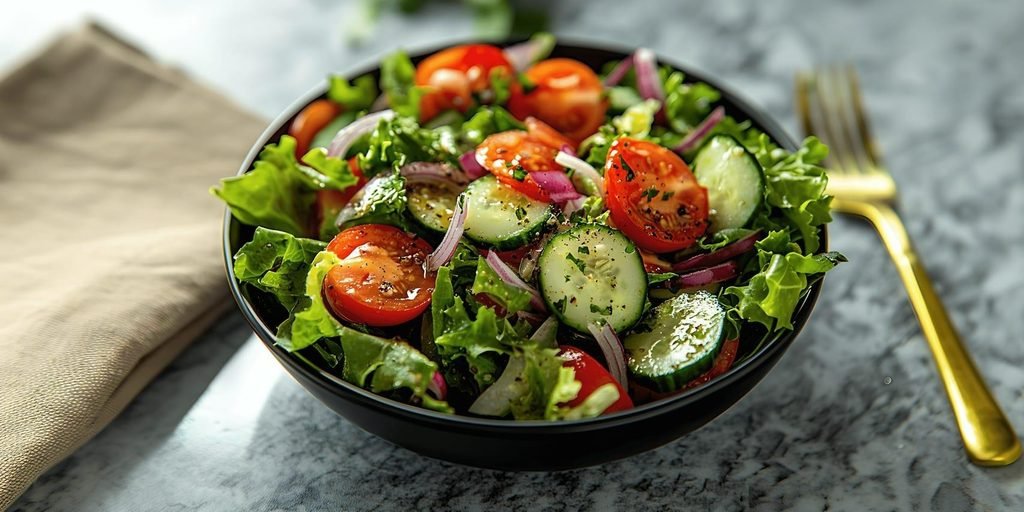
A simple green salad balances the richness of the casserole with crisp vegetables and a tangy dressing.
Try combining:
- Romaine lettuce or mixed salad greens
- Cherry tomatoes
- Sliced cucumber
- Thinly sliced red onion
- A light lemon or red wine vinaigrette
Dress the salad just before serving so the leaves remain crisp. A bright, acidic dressing is particularly useful alongside a creamy pasta dish.
Roasted vegetables and other easy sides
Roasted broccoli, green beans, zucchini, or asparagus make excellent accompaniments. Toss the vegetables with a little olive oil, salt, and black pepper, then roast until tender with lightly browned edges.
Steamed green beans or a simple vegetable medley are convenient alternatives when you want to keep dinner preparation short.
What drinks pair well with baked spaghetti?
Choose refreshing beverages that do not compete with the casserole’s rich flavors.
- Sparkling water with lemon: Cleanses the palate between bites.
- Iced tea: Offers a refreshing, easy-to-prepare option.
- Unsweetened lemonade: Adds a bright citrus contrast.
- Lightly flavored water: Works well for a simple family dinner.
For a balanced meal, serve the spaghetti with one fresh vegetable side, garlic bread if desired, and a refreshing drink.
Make-Ahead Instructions, Storage, and Reheating Tips
Million dollar baked spaghetti with Alfredo and meat sauce is convenient for meal prep because you can prepare much of the dish before dinner. Proper storage also helps preserve the creamy texture of the cheese filling and prevents the noodles from becoming too soft.
How to make baked spaghetti ahead of time
Preparing the casserole ahead can save time on busy evenings.
Option 1: Prepare the components separately.
Cook the meat sauce, prepare the cheese filling, and refrigerate them in separate airtight containers. On serving day, cook the spaghetti, toss it with Alfredo sauce, assemble the casserole, and bake.
This approach gives you the best control over the pasta’s texture because the noodles are not sitting in sauce for an extended period.
Option 2: Assemble the casserole in advance.
You can also assemble the entire casserole, cover it, and refrigerate it before baking.
For the best texture, cool the cooked meat sauce before assembling the dish with the other ingredients. Refrigerate the prepared casserole promptly, and bake it within 24 hours for the best quality.
When baking directly from the refrigerator, allow extra time for the center to heat through. Cover loosely with foil if the cheese begins browning too quickly.
If your baking dish is made of glass or ceramic, follow the manufacturer’s instructions about temperature changes to prevent thermal shock.
How to store leftover million dollar baked spaghetti
Refrigerate leftovers promptly in shallow, airtight containers. Divide a large casserole into smaller portions to help it cool more quickly and make reheating easier.
According to the USDA’s guidance for cooked leftovers, most properly refrigerated leftovers should be used within 3–4 days. Keep your refrigerator at 40°F (4°C) or below.
Label containers with the date so you can keep track of how long the spaghetti has been stored. Discard leftovers that have been left at room temperature for more than two hours, or one hour when temperatures exceed 90°F (32°C).
For additional food-safety guidance, consult the USDA’s leftovers and food safety recommendations.
Can you freeze million dollar baked spaghetti?
Yes. Baked spaghetti with Alfredo and meat sauce can be frozen, although cream-based sauces may change texture slightly after thawing.
For convenient portions:
- Allow the casserole to cool sufficiently before packaging.
- Divide it into individual servings or freezer-friendly portions.
- Place the portions in airtight, freezer-safe containers.
- Label each container with the name and date.
- Freeze at 0°F (-18°C) or below.
For the best quality, use frozen portions within approximately 2–3 months. The casserole may remain safe longer when continuously frozen, but its flavor and texture can gradually deteriorate.
You can freeze the casserole before or after baking. Freezing individual portions after baking is especially convenient when you want quick lunches or dinners.
Thaw frozen leftovers in the refrigerator when possible, then reheat thoroughly. Avoid thawing the casserole on the countertop.
The best ways to reheat baked spaghetti without drying it out
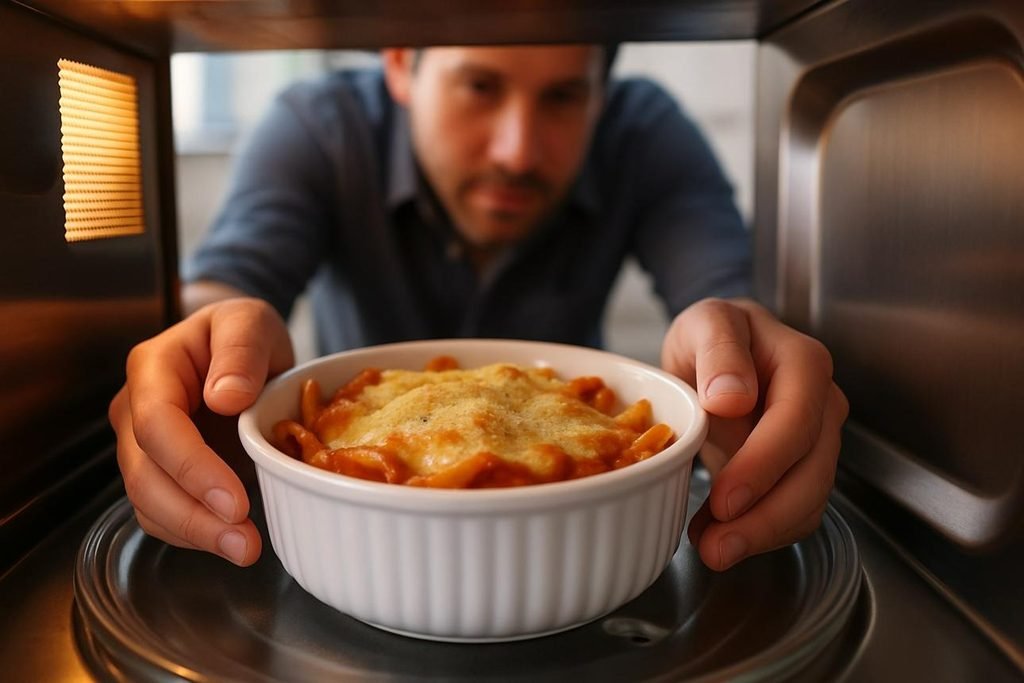
Microwave: Best for individual portions
Place a serving in a microwave-safe dish and add a teaspoon or two of water or extra pasta sauce if the noodles look dry. Cover loosely with a microwave-safe lid and heat in intervals, stirring where possible, until hot throughout.
Oven: Best for larger portions
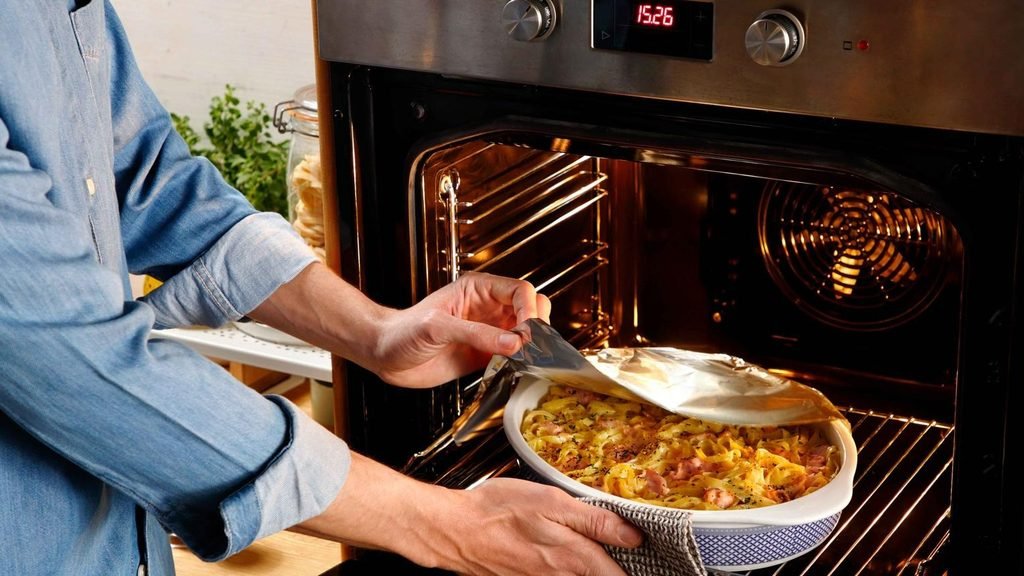
Place the spaghetti in an oven-safe dish, add a small amount of sauce if needed, and cover loosely with foil. Reheat at 325°F (165°C) until the center reaches 165°F (74°C). Uncover near the end if you want to refresh the melted cheese topping.
Avoid reheating the casserole repeatedly. Reheat only the amount you plan to eat, and return the remaining portions to the refrigerator promptly.
Frequently Asked Questions About Million Dollar Baked Spaghetti
Can I use jarred Alfredo sauce and store-bought spaghetti sauce?
Absolutely. Jarred Alfredo and marinara sauces make this recipe easier to prepare on a busy day. Choose sauces you enjoy, taste the meat sauce before assembling the casserole, and adjust the seasonings as needed.
Do I need to cook the spaghetti before baking?
Yes. Boil the spaghetti until it is about 1–2 minutes shy of al dente, then drain and coat it with Alfredo sauce. The noodles finish cooking in the oven, helping them retain a pleasant texture.
Can I make million dollar baked spaghetti without cream cheese?
Yes. Ricotta or blended cottage cheese can replace the cream cheese filling, although the casserole will have a different texture and flavor. Ricotta creates a softer, milder layer, while blended cottage cheese provides a similar creamy consistency.
Should Alfredo sauce go on the bottom or be mixed with the spaghetti?
Mixing Alfredo sauce directly with the spaghetti helps distribute the creaminess throughout the noodles. You can spread a thin layer of meat sauce on the bottom of the baking dish to add moisture, then build the remaining layers.
Can I assemble the casserole the night before?
Yes. Assemble the casserole, cover it, and refrigerate it promptly. Bake within 24 hours for the best quality, allowing additional time for the chilled center to heat through. Keep the casserole refrigerated rather than leaving it at room temperature overnight.
How do I keep baked spaghetti from drying out?
Cook the noodles slightly under al dente, coat them evenly with Alfredo sauce, and keep the meat sauce moist. Avoid overbaking, and cover the casserole loosely with foil if the cheese browns before the center is hot.
Can I freeze million dollar baked spaghetti with Alfredo and meat sauce?
Yes. Freeze the casserole in airtight, freezer-safe containers or wrap individual portions securely. Use within about 2–3 months for the best quality, thaw in the refrigerator when possible, and reheat to 165°F (74°C). The creamy sauce may separate slightly after freezing.
How long does baked spaghetti take to cook in the oven?
A freshly assembled casserole typically takes about 25–30 minutes at 350°F (175°C). A refrigerated casserole may need 35–45 minutes or longer, depending on its size and starting temperature. Check the center to ensure it is thoroughly heated.
What size baking dish works best for this recipe?
A 9-by-13-inch baking dish works well for the recipe’s 12 ounces of spaghetti, 1 pound of ground beef, and layered sauces. Choose a deeper casserole dish if you want thicker layers, and leave enough room near the top to prevent bubbling sauce from spilling over.
What can I serve with creamy baked spaghetti?
Garlic bread, a crisp green salad, roasted broccoli, green beans, or asparagus all pair well with the rich cheese and meat sauce. A fresh salad with a tangy dressing is particularly good for balancing the creaminess.
How do I know when baked spaghetti is fully heated?
Look for bubbling sauce and melted cheese, then check the center rather than relying on appearance alone. When reheating leftovers, use a food thermometer to confirm that the center reaches 165°F (74°C).
Make Million Dollar Baked Spaghetti Your Next Family Dinner
Million dollar baked spaghetti with Alfredo and meat sauce combines everything people love about comfort food: tender pasta, savory ground beef, creamy cheese filling, rich Alfredo sauce, and a bubbling mozzarella topping.
The key to getting the recipe right is simple: avoid overcooking the noodles, season the meat sauce well, keep the cheese filling thick and spreadable, and bake until the casserole is hot without drying out the edges.
Customize the recipe with Italian sausage, extra vegetables, or a blend of your favorite cheeses, then serve it with garlic bread and a fresh green salad for a satisfying meal.
Give this creamy baked spaghetti casserole a try for your next family dinner. Save the recipe for a busy weeknight, share it with someone who loves cheesy pasta, and enjoy the delicious leftovers whenever you need an easy, comforting meal.
