
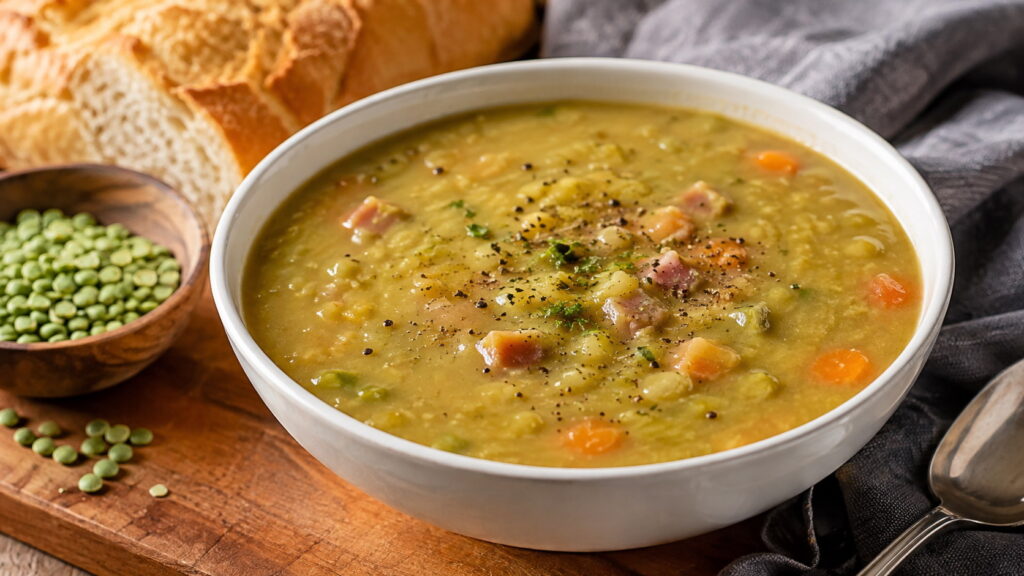
Craving the comforting California Pizza Kitchen split pea soup recipe without leaving home? Rich, velvety, and packed with savory flavor, homemade versions capture everything people love about the restaurant favorite while giving you full control over the ingredients.
Every step below is designed to help you recreate a restaurant-style bowl with confidence. You’ll learn why each ingredient matters, how to choose the best split peas, simple substitutions for different diets, and practical cooking techniques that produce a smooth, flavorful soup every time. Helpful serving suggestions, storage tips, and recipe variations later in the guide will make the recipe even more versatile.
Whether you’re preparing a cozy family dinner, planning make-ahead lunches, or simply looking for a satisfying comfort food recipe, plenty of useful tips await to help you achieve delicious results.
In This Article
Why You’ll Love This California Pizza Kitchen Split Pea Soup Recipe
Few soups deliver the same combination of hearty texture and comforting flavor as split pea soup. A well-made copycat version brings restaurant-quality taste into your own kitchen using affordable pantry staples.
Reasons home cooks keep coming back to this recipe include:
- Creamy texture without relying heavily on cream
- Budget-friendly ingredients that stretch into several servings
- High protein and fiber from split peas
- Excellent make-ahead meal for busy weeks
- Easy to customize with ham, bacon, or vegetarian ingredients
- Freezer-friendly for future meals
Split peas naturally break down during cooking, creating a thick, silky consistency. Slow simmering also allows aromatic vegetables and herbs to infuse every spoonful with deep flavor.
Another advantage comes from flexibility. Smoky ham creates a traditional version, while vegetable broth and smoked paprika provide an equally satisfying vegetarian alternative.
Recipe Snapshot
| Detail | Information |
| Prep Time | 15 minutes |
| Cook Time | 75–90 minutes |
| Total Time | About 1 hour 45 minutes |
| Servings | 6–8 |
| Difficulty | Easy |
| Category | Soup / Comfort Food |
| Cuisine Style | American Copycat |
| Best For | Meal prep, family dinners, freezer meals |
What Makes California Pizza Kitchen Split Pea Soup So Unique?
Many split pea soups lean heavily on smoky meat or thick cream. California Pizza Kitchen’s version stands out because of its balanced flavor and exceptionally smooth texture.
Instead of tasting overly salty or smoky, every ingredient supports the earthy sweetness of split peas.
Several characteristics define the restaurant-style soup:
- Silky consistency that feels creamy without becoming overly rich
- Balanced seasoning with herbs instead of excessive salt
- Gentle smokiness rather than overpowering bacon flavor
- Fresh vegetable base that enhances natural sweetness
- Comforting finish that remains light enough for lunch or dinner
Carefully sautéed onions, carrots, and celery create the foundation. Cooking those vegetables until softened develops natural sugars that round out the earthy flavor of the peas.
Quality broth also makes a noticeable difference. Chicken broth creates a classic restaurant flavor, while vegetable broth works beautifully for a vegetarian version.
Fresh thyme and bay leaves add subtle herbal notes during simmering. Removing the bay leaves before blending keeps the finished soup smooth and balanced.
Texture plays an equally important role. Blending only until smooth preserves body without turning the soup gluey. Should the soup become thicker after resting—a common characteristic of split peas—simply stir in a splash of warm broth until the desired consistency returns.
Food safety matters whenever preparing soups with meat or storing leftovers. Safe cooking temperatures and storage recommendations from the U.S. Department of Agriculture can help ensure leftovers remain safe to enjoy: https://www.fsis.usda.gov/food-safety/safe-food-handling-and-preparation.
Ingredients You’ll Need for the Best California Pizza Kitchen Split Pea Soup Recipe
Choosing quality ingredients has a noticeable impact on both flavor and texture. Every component contributes something important to the finished soup.
Core Ingredients
Dried Green Split Peas (1 pound)
Split peas provide the signature creamy texture. Fresh, recently purchased peas soften more evenly than older pantry peas, which can sometimes require longer cooking.
Yellow Onion (1 large, diced)
Slow-cooked onion builds sweetness and depth that balances the earthy peas.
Carrots (2 medium, diced)
Carrots contribute natural sweetness while adding subtle color.
Celery (2 stalks, diced)
Celery brings gentle herbal notes that complete the traditional soup base.
Garlic (3 cloves, minced)
Fresh garlic offers richer flavor than garlic powder and blends seamlessly into the soup.
Chicken Broth (6–7 cups)
Low-sodium broth gives better control over seasoning throughout cooking.
Olive Oil or Butter (2 tablespoons)
Either fat works well for sautéing vegetables before simmering.
Bay Leaves (2)
Bay leaves quietly deepen flavor during the long cooking process.
Fresh Thyme (1 teaspoon) or Dried Thyme (½ teaspoon)
Thyme pairs exceptionally well with peas and vegetables.
Salt and Freshly Ground Black Pepper
Season gradually near the end since broth and ham contribute saltiness.
Optional Flavor Boosters
Home cooks can easily customize the copycat recipe with additional ingredients.
- Smoked ham for traditional flavor
- Cooked bacon for extra smokiness
- Smoked paprika for vegetarian depth
- Heavy cream for a richer finish
- Fresh parsley to brighten each serving
- Croutons for crunch
- Fresh lemon juice to add subtle brightness before serving
Kitchen Equipment
Preparation becomes easier with a few basic kitchen tools:
- Large Dutch oven or heavy soup pot
- Sharp chef’s knife
- Cutting board
- Wooden spoon
- Measuring cups and spoons
- Immersion blender or countertop blender
- Ladle
Using a heavy-bottomed pot helps prevent scorching during the long simmer, especially once the soup begins to thicken.
Ingredient Substitutions and Dietary Adaptations
One reason the California Pizza Kitchen split pea soup recipe is so popular is its flexibility. A few thoughtful swaps allow you to match dietary preferences without sacrificing the comforting flavor or creamy texture.
Vegetarian and Vegan Options
Traditional recipes often include ham or bacon for a smoky, savory finish. Plant-based alternatives work surprisingly well.
- Replace chicken broth with vegetable broth.
- Skip the ham and use smoked paprika or a pinch of chipotle powder for gentle smokiness.
- Sauté vegetables in olive oil instead of butter.
- Finish with fresh parsley or chives for brightness.
Tip: A small splash of soy sauce or tamari near the end of cooking can add extra umami to vegetarian versions.
Gluten-Free Considerations
Split pea soup is naturally gluten-free when prepared with the right ingredients.
Double-check these items:
- Broth labels for hidden gluten
- Ham or bacon seasoning blends
- Store-bought croutons if serving as a garnish
Lower-Sodium Alternatives
Reducing sodium doesn’t mean sacrificing flavor.
Try these adjustments:
- Choose low-sodium broth.
- Increase herbs like thyme, parsley, and bay leaf.
- Add freshly cracked black pepper just before serving.
- Finish with a squeeze of lemon juice to brighten flavors naturally.
Easy Ingredient Swaps Without Losing Flavor
| Original Ingredient | Substitute | Notes |
| Chicken broth | Vegetable broth | Great for vegetarian cooking |
| Ham | Smoked mushrooms | Adds earthy, smoky depth |
| Bacon | Smoked paprika | Delivers smoky flavor without meat |
| Butter | Olive oil | Keeps the soup dairy-free |
| Fresh thyme | Dried thyme | Use about one-third the amount |
| Heavy cream | Unsweetened oat cream | Adds richness without dairy |
Whenever substitutions are made, taste the soup before serving and adjust the seasoning gradually. Small changes often make a noticeable difference once the soup has finished simmering.
Step-by-Step California Pizza Kitchen Split Pea Soup Recipe
Following each stage carefully creates a soup with restaurant-quality flavor and a silky, creamy consistency.
Preparing the Vegetables
Rinse the split peas thoroughly under cold water and remove any small stones or damaged peas.
Dice the onion, carrots, and celery into evenly sized pieces so they cook at the same rate. Mince the garlic just before using for the freshest flavor.
Building the Flavor Base
Heat 2 tablespoons olive oil or butter in a large Dutch oven over medium heat.
Add:
- Onion
- Carrots
- Celery
Cook for 8–10 minutes, stirring occasionally, until the vegetables become soft and the onions turn translucent.
Stir in the garlic and cook for another 30–60 seconds until fragrant.
Avoid browning the garlic, as burnt garlic can make the finished soup taste bitter.
Simmering the Split Peas
Add the rinsed split peas, broth, thyme, bay leaves, and ham if using.
Bring everything to a gentle boil before reducing the heat to a low simmer.
Cover partially and cook for 75 to 90 minutes, stirring every 15–20 minutes to prevent the peas from sticking to the bottom of the pot.
You’ll know the soup is ready when:
- Split peas have completely softened
- Carrots are tender
- The soup begins to thicken naturally
Should the soup become too thick during cooking, stir in additional warm broth a half cup at a time.
Blending for the Perfect Texture
Remove the bay leaves before blending.
Use an immersion blender directly in the pot until the soup reaches your preferred consistency.
Several texture options work well:
- Blend completely for a smooth restaurant-style soup.
- Blend about three-quarters of the soup for a rustic texture.
- Leave small vegetable pieces for extra heartiness.
Using a countertop blender? Blend in small batches and never fill the jar more than halfway with hot soup. Allow steam to escape safely by venting the lid and covering the opening with a folded kitchen towel.
Final Seasoning and Consistency Adjustments
Taste the soup before adding salt.
Broth and ham contribute varying amounts of sodium, so seasoning at the end produces the best balance.
Finish with:
- Freshly ground black pepper
- Chopped parsley
- Optional splash of cream for extra richness
- Small squeeze of lemon juice if the soup tastes overly earthy
Allow the soup to rest for 5–10 minutes before serving. Resting helps the flavors meld while slightly thickening the consistency.
Pro Tips for Restaurant-Quality Split Pea Soup Every Time
Small details separate a good homemade soup from one that truly resembles the California Pizza Kitchen split pea soup recipe.
Choose fresh split peas.
Older split peas sometimes require significantly longer cooking and may never soften completely. Purchasing from stores with high turnover improves consistency.
Cook the vegetables patiently.
Allow onions, carrots, and celery enough time to soften before adding liquid. Proper sautéing builds layers of sweetness that cannot be achieved by simply boiling everything together.
Maintain a gentle simmer.
Rapid boiling can cause the peas to stick to the bottom of the pot and may create uneven cooking. Slow simmering encourages a naturally creamy texture.
Blend only until smooth.
Over-processing can make split pea soup feel pasty rather than silky. Stop blending as soon as the desired consistency is reached.
Adjust thickness gradually.
Split pea soup continues thickening as it cools.
Use these guidelines:
- Too thick: stir in warm broth.
- Too thin: simmer uncovered for 10–15 minutes.
- Too rich: add a splash of hot water or broth.
- Too bland: add freshly ground pepper and a pinch of salt after tasting.
Season near the end.
Salt slows the perception of sweetness from the vegetables and peas. Waiting until the soup has nearly finished cooking allows more precise seasoning.
Rest before serving.
Five to ten minutes of resting time lets starches settle and flavors become more balanced, producing an even creamier bowl of soup.
Garnish with contrasting textures.
Restaurant-style presentation is easy to achieve with toppings like:
- Crispy bacon crumbles
- Homemade croutons
- Fresh parsley
- Cracked black pepper
- A drizzle of extra virgin olive oil
- Thinly sliced green onions
A few simple finishing touches transform a comforting homemade soup into a meal worthy of serving guests.
Common Mistakes to Avoid When Making California Pizza Kitchen Split Pea Soup Recipe
Even a simple soup can fall short if a few key details are overlooked. Avoiding these common mistakes will help you achieve a smooth, flavorful copycat every time.
Skipping the Vegetable Sauté
Onions, carrots, and celery should never go straight into the broth.
Taking 8–10 minutes to soften the vegetables develops natural sweetness and creates a richer flavor base. Rushing this step often results in a soup that tastes flat.
Using Too Little Liquid
Split peas absorb a surprising amount of moisture during cooking.
Keep extra warm broth nearby and add more if the soup becomes too thick before the peas are fully tender. Adding cold liquid can slow cooking, so warm broth is the better choice.
Seasoning Too Early
Ham, bacon, and broth all contribute salt.
Adding salt at the beginning can leave the finished soup overly salty after it reduces. Wait until the peas are completely cooked, then taste before making final seasoning adjustments.
Cooking Over High Heat
A vigorous boil increases the chance of scorching and uneven cooking.
Aim for a gentle simmer with occasional stirring. Consistent low heat encourages the peas to break down naturally into a creamy texture.
Over-Blending the Soup
Blending creates the signature silky consistency, but too much blending can produce a gummy texture.
Blend only until smooth, stopping as soon as the desired consistency is reached.
Forgetting to Remove the Bay Leaves
Bay leaves add wonderful flavor during simmering but should always be removed before blending or serving.
Troubleshooting Guide
| Problem | Likely Cause | Easy Fix |
| Soup is too thick | Split peas absorbed more liquid | Stir in warm broth until smooth |
| Soup is too thin | Too much liquid | Simmer uncovered for 10–15 minutes |
| Peas remain firm | Older split peas or insufficient cooking time | Continue simmering with extra broth |
| Soup tastes bland | Under-seasoned | Add salt, pepper, and a squeeze of lemon juice |
| Flavor is too smoky | Too much ham or smoked paprika | Add additional broth and a splash of cream if desired |
Delicious Variations to Customize the Recipe
One of the best things about the California Pizza Kitchen split pea soup recipe is how easily it adapts to different tastes and cooking methods.
Classic Ham Version
Traditional diced smoked ham creates a hearty, satisfying soup with plenty of savory depth.
Leftover holiday ham works especially well because it already contains rich smoky flavor.
Vegetarian Garden Style
A meat-free version remains every bit as comforting.
Replace chicken broth with vegetable broth and enhance the savory notes using:
- Smoked paprika
- Mushrooms
- Nutritional yeast
- Fresh thyme
Finish with chopped parsley and a drizzle of quality olive oil.
Extra Smoky Bacon Version
Cook several slices of thick-cut bacon until crisp.
Reserve a small amount for garnish while using the rendered bacon fat to sauté the vegetables. Every spoonful gains an extra layer of smoky richness.
Slow Cooker Method
Busy schedules become much easier with a slow cooker.
- Sauté the onions, carrots, celery, and garlic.
- Transfer everything to the slow cooker.
- Add split peas, broth, herbs, and optional ham.
- Cook on Low for 7–8 hours or High for 4–5 hours.
- Blend before serving.
Split peas become exceptionally creamy using the slow-cooking method.
Instant Pot Adaptation
Pressure cooking delivers outstanding results in a fraction of the time.
- Use the Sauté setting to cook the vegetables.
- Add remaining ingredients.
- Cook on High Pressure for 15 minutes.
- Allow a 15-minute natural pressure release.
- Blend until smooth.
Pressure cooking preserves flavor while dramatically reducing cooking time.
Extra Vegetable Boost
Adding more vegetables increases nutrition without changing the comforting character of the soup.
Excellent additions include:
- Spinach
- Kale
- Sweet potato
- Parsnips
- Leeks
Blend everything together for a silky texture.
Creamy Herb Finish
A richer version can be created by stirring in one of the following just before serving:
- Heavy cream
- Half-and-half
- Crème fraîche
- Plain Greek yogurt
Each option softens the earthy flavor while adding luxurious creaminess.
What to Serve with California Pizza Kitchen Split Pea Soup
Rich, creamy soup becomes an even more satisfying meal when paired with complementary sides. Contrasting textures and fresh flavors balance every bite.
Best Bread Pairings
Warm bread naturally complements split pea soup.
Popular choices include:
- Crusty sourdough
- French baguette
- Garlic bread
- Buttermilk biscuits
- Whole-grain dinner rolls
- Cheesy toast
Lightly toasted bread is especially good for dipping into the thick, creamy soup.
Fresh Salads
A crisp salad provides welcome freshness alongside the hearty soup.
Great options include:
- Mixed greens with lemon vinaigrette
- Caesar salad
- Baby spinach salad with walnuts
- Apple and arugula salad
- Cucumber and tomato salad
Bright, acidic dressings help balance the richness of the soup.
Sandwich Pairings
Turn lunch into a complete meal with a simple sandwich.
Favorites include:
- Grilled cheese
- Turkey and Swiss
- Ham and cheddar
- Roasted vegetable panini
- Chicken salad sandwich
The combination of creamy soup and a toasted sandwich is a classic comfort-food pairing.
Beverage Pairings
Refreshing drinks help cleanse the palate between bites.
Consider serving with:
- Sparkling water with lemon
- Unsweetened iced tea
- Crisp apple cider
- Light pilsner or lager (for adults)
- Dry Sauvignon Blanc or Pinot Grigio (for adults)
Garnishes That Elevate Every Bowl
Small finishing touches make homemade soup look restaurant-worthy.
Try one or more of the following:
- Fresh parsley
- Crispy bacon crumbles
- Homemade croutons
- Freshly cracked black pepper
- Shaved Parmesan
- Extra virgin olive oil drizzle
- Thinly sliced green onions
Serving the soup in warmed bowls helps maintain the ideal temperature while allowing the flavors to shine from the first spoonful to the last.
Storage, Freezing, and Reheating Tips
One of the biggest advantages of the California Pizza Kitchen split pea soup recipe is how well it stores. Flavors continue to develop after a day in the refrigerator, making leftovers just as enjoyable—sometimes even better—than the freshly cooked soup.
Refrigerator Storage
Allow the soup to cool for about 30 minutes before transferring it to airtight containers.
- Refrigerator life: 3–4 days
- Store in individual portions for quick lunches.
- Leave a little space at the top of each container, as the soup will continue to thicken.
Tip: Split pea soup naturally becomes denser after chilling. Stir in a splash of broth or water before reheating to restore the original consistency.
Freezer Instructions
Freezing works exceptionally well because split peas maintain their texture after thawing.
Follow these simple steps:
- Let the soup cool completely.
- Divide into freezer-safe containers or freezer bags.
- Label each container with the date.
- Freeze for up to 3 months.
For the best texture, freeze the soup without cream if you plan to add dairy. Stir cream into the reheated soup instead.
Best Ways to Reheat Without Losing Texture
Stovetop
- Pour the soup into a saucepan.
- Add a few tablespoons of broth or water.
- Heat over medium-low heat, stirring frequently until hot.
Microwave
- Transfer a serving to a microwave-safe bowl.
- Cover loosely.
- Heat in 1-minute intervals, stirring after each interval until heated through.
From Frozen
Thaw overnight in the refrigerator whenever possible.
If reheating directly from frozen, place the soup in a saucepan with a small amount of broth over low heat, stirring occasionally until completely thawed and heated.
Make-Ahead Meal Prep Advice
Split pea soup is ideal for weekly meal prep because it reheats beautifully.
A simple meal prep plan might include:
- Cook a full batch on the weekend.
- Portion into lunch-sized containers.
- Freeze half for future meals.
- Prepare garnishes like croutons or chopped parsley separately to maintain freshness.
Having a homemade soup ready to enjoy makes busy weekdays much easier without sacrificing quality or flavor.
Frequently Asked Questions About California Pizza Kitchen Split Pea Soup Recipe
Do I need to soak split peas before cooking?
No. Unlike many dried beans, split peas cook relatively quickly and do not require soaking. Simply rinse them thoroughly before adding them to the pot.
Can I make California Pizza Kitchen split pea soup recipe without ham?
Absolutely. Vegetable broth, smoked paprika, sautéed mushrooms, or a small splash of soy sauce can replace the savory depth normally provided by ham.
Why is my split pea soup too thick?
Split peas continue absorbing liquid even after cooking. Stir in warm broth a little at a time until the soup reaches your preferred consistency.
Why are my split peas still firm after more than an hour?
Older split peas sometimes take much longer to soften. Continue simmering while adding extra broth as needed. Fresh split peas generally cook more evenly.
Can I freeze leftovers?
Yes. Properly cooled soup freezes well for up to three months. Thaw overnight in the refrigerator before reheating for the best texture.
What’s the best way to reheat split pea soup?
Gentle reheating on the stovetop produces the best results. Add a little broth or water while stirring to restore the creamy consistency.
Can I prepare the soup in advance for guests?
Definitely. Preparing the soup one day ahead often improves the flavor because the ingredients have more time to meld together. Reheat slowly before serving and adjust the consistency with additional broth if needed.
Can I use yellow split peas instead of green split peas?
Yes. Yellow split peas create a slightly milder flavor and a lighter color, while maintaining the same creamy texture.
Which herbs work best with split pea soup?
Thyme, bay leaves, parsley, marjoram, and a small amount of rosemary all pair beautifully with split peas without overpowering their natural flavor.
Enjoy Your Homemade California Pizza Kitchen Split Pea Soup Recipe
Making a comforting bowl of California Pizza Kitchen split pea soup recipe at home is easier than many people expect. Fresh vegetables, quality split peas, a flavorful broth, and patient simmering come together to create a creamy, satisfying soup worthy of a restaurant menu.
Whether you choose the classic ham version, a vegetarian variation, or the quick Instant Pot method, every bowl offers hearty flavor and excellent make-ahead convenience. Simple garnishes, fresh bread, or a crisp salad can easily transform the soup into a complete meal suitable for casual lunches or cozy family dinners.
Don’t be afraid to make the recipe your own by experimenting with herbs, vegetables, or smoky additions that suit your taste. Once you’ve found your favorite version, save the recipe for future meal prep, share it with friends and family, and enjoy bringing a restaurant-inspired favorite to your own table whenever the craving strikes.

1 thought on “California Pizza Kitchen Split Pea Soup Recipe”