
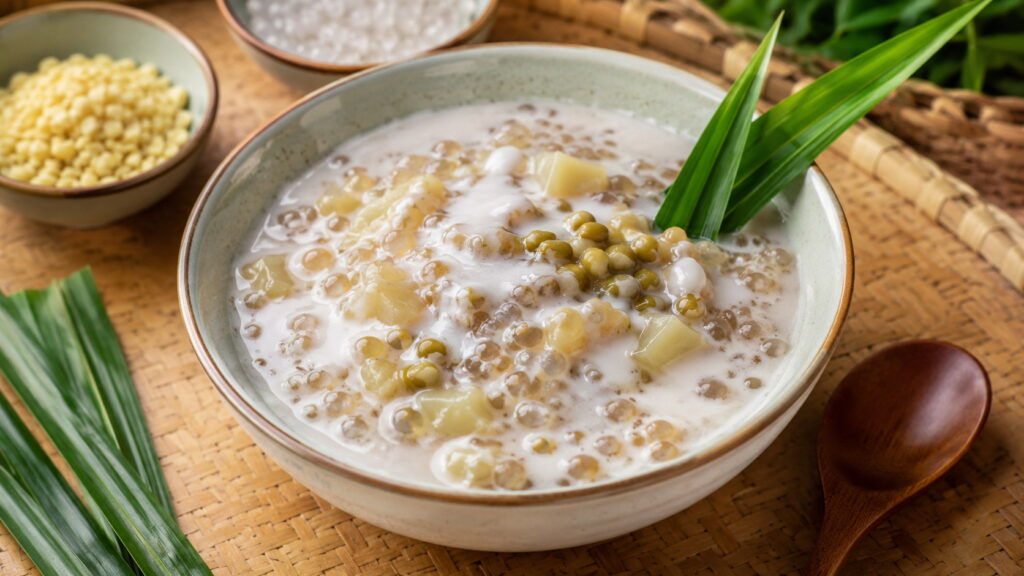
A warm bowl of easy vegan Vietnamese sweet soup dessert recipe, known as chè, delivers comfort, texture, and natural sweetness in every spoonful. Vietnamese chè comes in many forms, but this approachable version focuses on simple ingredients and reliable techniques so anyone can recreate the experience at home.
Expect to learn how to cook beans until perfectly tender, how to handle tapioca pearls for the ideal chew, and how coconut milk transforms the entire dessert into something rich yet refreshing. Practical tips, ingredient swaps, and texture cues will guide you toward consistent results whether serving chè warm or chilled.
In This Article
Easy Vegan Vietnamese Sweet Soup Dessert Recipe: A Comforting Bowl of Chè
Vietnamese chè refers to a wide family of sweet soups and puddings enjoyed across Vietnam, often served as a snack or dessert. Many traditional versions are naturally plant-based, relying on beans, coconut milk, fruits, and starches rather than dairy.
A beginner-friendly approach focuses on a mung bean and tapioca base. Mung beans bring a soft, creamy texture once cooked, while tapioca pearls add a signature chewiness. Coconut milk ties everything together with a subtle richness that feels indulgent without being heavy.
Preparation Time: 10 minutes (plus soaking time)
Cooking Time: 30–40 minutes
Total Time: ~1 hour
Servings: 4 bowls
Flavor feels gentle and balanced, making chè perfect for anyone exploring Southeast Asian desserts for the first time.
What Makes This Easy Vegan Vietnamese Sweet Soup Dessert Recipe Special?
Texture defines a great chè. Each spoonful should offer a mix of creamy beans, slightly chewy pearls, and silky coconut broth. Achieving that balance does not require complicated steps, only attention to timing and ratios.
Key reasons home cooks love this version:
- Simple ingredient list with easy-to-find pantry items
- Naturally vegan and dairy-free, suitable for many diets
- Flexible serving styles, either warm for comfort or chilled for refreshment
- Customizable sweetness, allowing full control over sugar levels
Coconut milk plays a major role beyond flavor. Fat content creates a smooth mouthfeel while mellowing the earthiness of beans. Tapioca pearls absorb sweetness from the broth, ensuring every bite tastes consistent.
Ingredients That Bring This Easy Vegan Vietnamese Sweet Soup Dessert Recipe to Life
Building a flavorful chè starts with understanding each ingredient and its purpose.
Core Ingredients
- ½ cup dried mung beans (split, yellow)
Adds creaminess and mild nuttiness once softened - ¼ cup small tapioca pearls
Provides signature chewiness - 1 cup coconut milk (full-fat preferred)
Creates richness and body - 3–4 tablespoons sugar or palm sugar
Sweetens while adding depth (palm sugar gives a caramel note) - 3 cups water
Forms the base for cooking beans and pearls - Pinch of salt
Enhances sweetness and balances flavors - 1 pandan leaf (optional)
Infuses a subtle floral aroma
Ingredient Notes for Better Results
- Soaking mung beans for 1–2 hours shortens cooking time and improves texture.
- Small tapioca pearls cook faster and are easier for beginners to manage.
- Full-fat coconut milk produces a creamier finish compared to light versions.
Quality ingredients make a noticeable difference in a simple dessert like chè. Choosing fresh beans and good coconut milk ensures clean flavors without bitterness or separation.
For more insight into plant-based nutrition benefits from ingredients like beans and coconut, visit Harvard T.H. Chan School of Public Health – Plant-Based Diet Guide, which explains how these foods support balanced eating habits.
Smart Ingredient Swaps for a Flexible Vegan Chè
Flexibility makes this easy vegan Vietnamese sweet soup dessert recipe perfect for home kitchens. Ingredient swaps allow you to adjust flavor, sweetness, or texture without losing the essence of chè.
Easy Substitutions That Work Well
- Mung beans → Red beans or black beans
Red beans create a slightly firmer texture, while black beans add a deeper, earthier flavor. - Tapioca pearls → Sago pearls or mini rice balls
Sago cooks similarly and keeps the chewy element intact. - Palm sugar → Coconut sugar, maple syrup, or regular sugar
Coconut sugar keeps a caramel note, while maple syrup adds a subtle aroma. - Coconut milk → Light coconut milk or diluted version
Reduces richness for a lighter dessert without losing the coconut profile. - Pandan leaf → Vanilla extract (very small amount)
Works as a backup aroma enhancer when pandan is unavailable.
Adjusting for Dietary Preferences
- Lower sugar option: Reduce sweetener by 25–30% and let natural bean flavor shine.
- Gluten-free: Recipe is naturally gluten-free when using pure tapioca or sago.
- Extra creamy version: Add 2–3 tablespoons of coconut cream at the end.
Smart swaps keep the recipe accessible while encouraging creativity based on what’s available in your pantry.
Step-by-Step: How to Make Easy Vegan Vietnamese Sweet Soup Dessert Recipe at Home
Clear timing and visual cues make the cooking process smooth and predictable. Follow these steps to achieve the ideal texture and flavor.
Step 1: Prepare the Mung Beans
- Rinse mung beans thoroughly under running water.
- Soak for 1–2 hours for even cooking.
- Drain and set aside.
Step 2: Cook Until Soft and Creamy
- Add soaked beans to a pot with 2 cups of water.
- Bring to a gentle boil, then reduce to medium heat.
- Cook for 15–20 minutes until beans turn soft and begin to break apart.
Tip: Beans should mash easily between fingers but still hold slight shape.
Step 3: Cook the Tapioca Pearls Separately
- Bring a small pot of water to a boil.
- Add tapioca pearls and cook for 5–8 minutes, stirring occasionally.
- Pearls turn translucent when ready.
- Drain and rinse with cold water to stop cooking.
Important: Overcooking leads to mushy pearls that lose their chew.
Step 4: Build the Sweet Coconut Base
- Add cooked mung beans, remaining water, sugar, and pandan leaf to the pot.
- Simmer for 5–7 minutes to blend flavors.
- Stir in coconut milk and a pinch of salt.
Step 5: Combine and Finish
- Add cooked tapioca pearls into the soup.
- Simmer gently for 2–3 minutes.
Texture Check: Soup should be slightly thick but still pourable. Add warm water if it becomes too dense.
Step 6: Taste and Adjust
- Adjust sweetness based on preference.
- Remove pandan leaf before serving.
Serve warm for a comforting dessert or chill for a refreshing treat.
Texture Secrets: Getting the Perfect Creamy and Chewy Balance
Perfect chè depends on texture harmony. Each component plays a role, and small adjustments can make a big difference.
Key Texture Indicators
- Mung beans: Soft and creamy, slightly broken down but not watery
- Tapioca pearls: Translucent with a gentle chew, not hard in the center
- Broth: Smooth and lightly thickened from beans and coconut milk
Practical Tips for Consistency
- Control heat carefully
High heat can split coconut milk and overcook beans. - Add coconut milk at the end
Prevents curdling and preserves creamy texture. - Serve tapioca fresh
Pearls harden when left sitting too long. Mix them in just before serving if possible. - Adjust thickness gradually
Add small amounts of water to thin or simmer longer to thicken.
Mastering texture turns a simple sweet soup into a truly satisfying Vietnamese dessert experience.
Common Mistakes That Can Ruin Your Vegan Vietnamese Sweet Soup
Small missteps can affect both texture and flavor in chè. Knowing what to watch for makes the difference between a good dessert and a great one.
Frequent Issues and How to Fix Them
| Problem | What Happened | How to Fix It |
| Beans too mushy | Overcooked at high heat | Simmer gently and check early |
| Tapioca pearls hard inside | Undercooked or rushed | Cook until fully translucent |
| Pearls turned mushy | Overcooked or left in hot liquid too long | Cook separately and add last |
| Coconut milk split | Added at high heat or boiled | Stir in at low heat only |
| Soup too watery | Too much water or undercooked beans | Simmer longer to thicken |
| Soup too thick | Too many beans or evaporation | Add warm water gradually |
Quick Recovery Tips
- Too sweet? Add a pinch of salt or a splash of coconut milk to balance.
- Too bland? Dissolve a bit more sugar in warm liquid before adding.
- Texture uneven? Mash a small portion of beans to naturally thicken the soup.
Avoiding these common mistakes ensures every bowl has the right balance of creaminess, chew, and sweetness.
Flavor Variations of Vietnamese Vegan Sweet Soup You Should Try
Once comfortable with the base method, experimenting with flavors becomes the most enjoyable part of making chè. Vietnamese desserts are incredibly versatile, often changing with seasons and available ingredients.
Popular Vegan Chè Variations
- Black Bean Chè (Chè Đậu Đen)
Rich, earthy flavor with a slightly firmer bite compared to mung beans - Banana Coconut Chè (Chè Chuối)
Uses ripe bananas for natural sweetness and a soft, pudding-like texture - Sweet Corn Chè (Chè Bắp)
Combines corn kernels with coconut milk for a subtly sweet and creamy dish - Mixed Bean Chè (Chè Thập Cẩm)
A colorful combination of beans, jellies, and pearls for a layered texture experience
Creative Twists for Home Cooks
- Add jackfruit or mango for tropical freshness
- Mix in grass jelly or agar cubes for contrast
- Top with toasted coconut flakes for a slight crunch
Each variation builds on the same cooking foundation, allowing endless customization without complexity.
Serving the Easy Vegan Vietnamese Sweet Soup Dessert Recipe Like a Local
Serving style transforms chè from simple to memorable. Presentation and temperature both play a role in the overall experience.
Warm vs Chilled: Choosing Your Style
- Warm serving
Comforting and soothing, perfect for cooler evenings or a cozy dessert - Chilled with ice
Refreshing and light, ideal for hot weather or after a heavy meal
Garnishing Ideas That Elevate Flavor
- Extra coconut cream drizzle for richness
- Sesame seeds for a nutty finish
- Crushed ice for a classic Vietnamese street-style touch
- Fresh fruit slices for brightness and contrast
Serving Tips for Best Experience
- Use clear glass bowls or cups to highlight textures and layers
- Serve immediately after adding tapioca for optimal chewiness
- Stir gently before eating to blend flavors evenly
A thoughtfully served bowl of chè captures both the comfort and vibrancy of Vietnamese dessert culture, making the experience as enjoyable as the cooking process.
Make-Ahead Tips and Storage for Busy Days
Planning ahead makes this easy vegan Vietnamese sweet soup dessert recipe even more convenient, especially when preparing for gatherings or weekly treats.
How to Store Chè Properly
- Refrigeration:
Store in an airtight container for up to 3 days. Keep the soup base and tapioca pearls separate if possible. - Tapioca Storage Tip:
Tapioca pearls tend to harden after refrigeration. For best texture, cook fresh or reheat separately with a splash of water.
Reheating Without Losing Texture
- Warm gently over low heat while stirring
- Add 2–3 tablespoons of water or coconut milk to loosen consistency
- Avoid boiling to prevent coconut milk from separating
Make-Ahead Strategy
- Cook mung beans and coconut base in advance
- Prepare tapioca pearls right before serving
- Chill the dessert if planning to serve cold
Smart storage keeps flavors fresh while preserving the signature texture contrast.
Is This Easy Vegan Vietnamese Sweet Soup Dessert Recipe Healthy?
A balanced dessert like chè offers more than just sweetness. Plant-based ingredients provide nutritional value while keeping the dish naturally dairy-free.
Nutritional Highlights
- Mung beans: Rich in plant protein and fiber, supporting digestion
- Coconut milk: Contains healthy fats that promote satiety
- Tapioca pearls: Provide quick energy through carbohydrates
Ways to Make It Even Healthier
- Reduce sugar or use natural alternatives like coconut sugar
- Add fresh fruit for vitamins and natural sweetness
- Use light coconut milk to lower calorie content
Estimated Nutrition Per Serving
| Nutrient | Approximate Amount |
| Calories | 220–260 kcal |
| Carbohydrates | 35–40 g |
| Protein | 5–7 g |
| Fat | 8–12 g |
| Fiber | 3–5 g |
Balanced portions keep the dessert satisfying without feeling heavy, making it suitable for occasional indulgence or light treats.
Frequently Asked Questions About Vegan Vietnamese Sweet Soup (Chè)
Can I make this easy vegan Vietnamese sweet soup dessert recipe without coconut milk?
Yes, although coconut milk provides signature richness. Almond milk or oat milk can work, but the flavor will be lighter and less traditional.
Why are my tapioca pearls still hard in the center?
Undercooking is the most common cause. Pearls should turn fully translucent. Extending cooking time by a few minutes usually solves the problem.
Can I freeze chè for later?
Freezing is not recommended. Texture of beans and tapioca changes significantly after thawing, often becoming mushy or grainy.
How long should mung beans be soaked?
Soaking for 1–2 hours improves texture and reduces cooking time. Overnight soaking works as well but is not required.
Can I prepare chè ahead of time for a party?
Yes. Prepare the soup base in advance and store chilled. Cook tapioca pearls fresh before serving to maintain chewiness.
How do I fix chè that becomes too thick after refrigeration?
Reheat gently and stir in small amounts of warm water or coconut milk until the desired consistency returns.
Final Thoughts: Bringing Vietnamese Dessert Traditions into Your Kitchen
A bowl of easy vegan Vietnamese sweet soup dessert recipe brings together simplicity, comfort, and cultural flavor in a way few desserts can match. Every spoonful offers a blend of creamy, chewy, and lightly sweet elements that feel both satisfying and refreshing.
Experimenting with different beans, fruits, or toppings allows each batch to feel new while staying rooted in traditional techniques. Try serving it warm on a quiet evening or chilled on a hot afternoon to fully appreciate its versatility.
Save this recipe for later, share it with friends, and enjoy exploring more plant-based desserts inspired by Vietnamese cuisine.

1 thought on “Easy Vegan Vietnamese Sweet Soup Dessert Recipe (Chè) – Creamy, Authentic & Simple”