
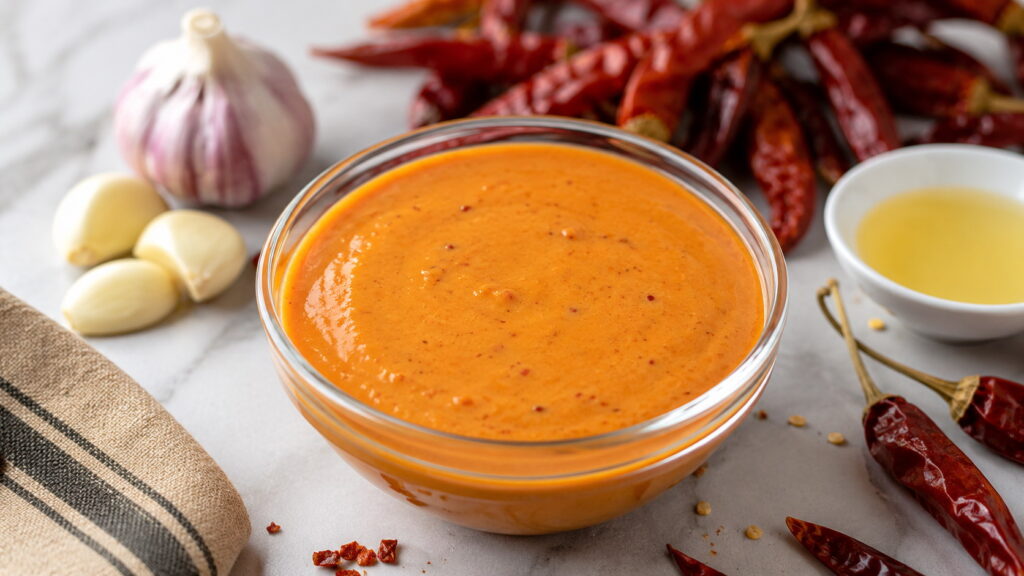
The La Victoria San Jose orange sauce recipe is one of those legendary flavors that people try once—and then spend years chasing. Creamy, fiery, garlicky, and slightly tangy, this iconic taqueria sauce from San Jose has built a cult following for a reason.
This guide walks you through exactly how to recreate it at home with confidence. You’ll learn which chilies deliver the right heat, how to achieve that signature emulsified texture, and how to adjust flavor like a pro. Expect practical tips, real cooking insights, and a method that actually works in a home kitchen.
In This Article
The Story Behind La Victoria San Jose Orange Sauce (Why Everyone Craves It)
La Victoria Taqueria in San Jose, California, quietly turned a simple condiment into a phenomenon. Their orange sauce isn’t just “another salsa”—it’s a bold, creamy, spicy blend that elevates everything from tacos to burritos.
What makes it unforgettable comes down to three elements:
- Heat with depth – not just spicy, but layered with roasted chili flavor
- Creamy texture – thanks to emulsified oil, not dairy
- Punchy garlic profile – strong but balanced
Locals often describe it as addictive. Visitors try to reverse-engineer it. Home cooks experiment endlessly to match that perfect balance. This copycat version focuses on technique as much as ingredients, because that’s where most recreations fall short.
What Makes This La Victoria San Jose Orange Sauce Recipe Unique?
Most sauces fall into clear categories—salsa roja, hot sauce, aioli—but this one sits somewhere in between. The La Victoria San Jose orange sauce recipe stands out because of its unusual structure.
It’s Not Just a Salsa
Traditional salsas rely heavily on tomatoes or tomatillos. This sauce doesn’t. Instead, it builds flavor primarily from chilies, garlic, oil, and acid.
Emulsification Is the Game-Changer
The creamy texture comes from slowly blending oil into the chili mixture, creating a stable emulsion—similar to making mayonnaise, but without eggs.
Key insight:
- Too little oil → thin, watery sauce
- Too much oil too fast → separation or greasy texture
- Proper technique → smooth, velvety consistency
Flavor Balance Is Precise
The sauce hits multiple flavor notes at once:
- Spicy from chilies
- Savory from garlic
- Tangy from vinegar
- Rich from oil
That balance is what separates a good attempt from a truly authentic result.
Key Ingredients That Define Authentic Orange Sauce Flavor
Getting the flavor right starts with understanding why each ingredient matters, not just following a list.
Core Ingredients
- Dried chilies (Chile de Árbol, Guajillo, or similar)
Provide heat and color. Árbol chilies bring sharp spice, while guajillo adds mild sweetness and depth. - Garlic (fresh cloves)
The backbone of flavor. Raw garlic gives bite; lightly cooked garlic softens intensity. - Neutral oil (vegetable or canola)
Essential for the creamy texture. This is not optional—it defines the sauce. - Vinegar (white or apple cider)
Adds brightness and balances the richness. - Salt
Enhances all flavors and helps unify the sauce.
Optional Flavor Boosters
- Mustard (small amount) – helps stabilize emulsification
- Chicken bouillon or MSG – adds umami depth (common in restaurant versions)
- Water or chili soaking liquid – controls consistency
Ingredient Quality Matters
Using fresh, high-quality chilies and garlic makes a noticeable difference. Old chilies can taste dull or bitter, while fresh ones give a cleaner, more vibrant heat.
If you want to better understand how chilies vary in heat and flavor, the Scoville Heat Scale Guide is a helpful reference when choosing your mix.
Choosing the Right Chilies for the Perfect Heat Level
Chilies define the personality of your La Victoria San Jose orange sauce recipe. The wrong choice can make the sauce flat, overly bitter, or painfully hot without flavor. The right blend creates depth, color, and that signature kick.
Common Chili Options and What They Do
- Chile de Árbol
- Heat: High
- Flavor: Sharp, clean, slightly smoky
- Best for: Authentic spice level and bright orange-red color
- Guajillo Chilies
- Heat: Mild to medium
- Flavor: Slightly sweet, earthy
- Best for: Balancing heat and adding depth
- New Mexico or California Chilies
- Heat: Mild
- Flavor: Smooth, slightly fruity
- Best for: Lower heat versions with vibrant color
How to Build Your Ideal Heat Profile
- Spicy (closest to original): Mostly chile de árbol
- Medium heat: Mix of árbol + guajillo
- Milder version: Guajillo with a small amount of árbol
Pro tip: Remove some seeds to reduce heat without losing chili flavor.
Fresh vs Dried Chilies
Dried chilies are preferred because they:
- Concentrate flavor
- Give better color
- Blend more smoothly after soaking
Fresh chilies can work, but they tend to produce a thinner, less complex sauce.
Chili Prep Matters More Than You Think
Before blending:
- Remove stems
- Lightly toast for 5–10 seconds (optional, for deeper flavor)
- Soak in hot water for 10–15 minutes until softened
Avoid over-toasting—burnt chilies will make the entire sauce bitter.
Step-by-Step: How to Make La Victoria San Jose Orange Sauce at Home
This method focuses on technique, especially emulsification, which is the key to that creamy texture.
Quick Recipe Overview
- Prep time: 10 minutes
- Cook time: 10 minutes
- Total time: 20 minutes
- Yield: ~1 cup sauce
Equipment You’ll Need
- Blender (high-speed preferred)
- Small saucepan
- Heat-safe bowl
Ingredients
- 10–15 dried chile de árbol (adjust to taste)
- 2–3 dried guajillo chilies (optional, for balance)
- 3–4 garlic cloves
- ½ cup neutral oil (vegetable or canola)
- 1–2 tablespoons vinegar
- Salt to taste
- ¼–½ cup hot water (or chili soaking liquid)
Step-by-Step Instructions
- Prepare the chilies
Remove stems and seeds (optional). Soak in hot water for 10–15 minutes until soft. - Cook the garlic
Lightly sauté garlic in a small amount of oil over medium heat until fragrant—not browned. - Blend the base
Add softened chilies, garlic, vinegar, salt, and a small amount of soaking liquid to the blender. Blend until smooth. - Emulsify the oil
With the blender running, slowly drizzle in the oil. This step creates the creamy texture. - Adjust consistency
Add more liquid if needed. The sauce should be smooth and slightly thick—not watery. - Taste and adjust
Add more salt, vinegar, or chili depending on your preference.
Texture cue: The final sauce should cling to a spoon and look glossy, not separated.
Texture Secrets: Getting That Creamy, Velvety Finish
The signature texture of the La Victoria San Jose orange sauce recipe is what sets it apart. Getting it right depends more on technique than ingredients.
Why Oil Is Essential
Oil transforms the sauce from a simple chili blend into something rich and creamy. It creates:
- Smooth mouthfeel
- Balanced heat (fat reduces harsh spice)
- Stable consistency
Skipping or reducing oil too much results in a thin, salsa-like texture.
The Emulsification Trick
Think of this like making a sauce that holds together:
- Add oil slowly while blending
- Keep the blender running continuously
- Use a steady stream—not large pours
If added too fast: the sauce may separate or feel greasy.
Blender Tips for Best Results
- High-speed blenders create smoother sauces
- Blend longer than you think (1–2 minutes total)
- Pause and scrape sides if needed
Fixing Texture Problems
| Problem | Cause | Fix |
| Sauce too thin | Too much liquid | Blend in more oil slowly |
| Sauce separated | Oil added too quickly | Re-blend while adding a bit of warm water |
| Grainy texture | Chilies not softened enough | Soak longer and re-blend |
| Too thick | Not enough liquid | Add soaking liquid gradually |
Key takeaway: A perfect orange sauce should feel silky, pour smoothly, and coat food without dripping like water.
Flavor Adjustments: Customize Your Orange Sauce Like a Pro
Once your base is smooth and emulsified, fine-tuning the flavor is what brings your La Victoria San Jose orange sauce recipe to life. Small tweaks can dramatically change the final result.
How to Adjust Heat Without Ruining Balance
- Too spicy?
Add a bit more oil or blend in a mild chili like guajillo. Fat helps mellow heat without diluting flavor. - Not spicy enough?
Blend in 1–2 extra soaked chile de árbol or a pinch of chili flakes.
Balancing Acidity and Brightness
- Add ½ teaspoon vinegar at a time if the sauce tastes flat
- A touch of lime juice can add freshness, though vinegar is closer to the original
Boosting Depth and Umami
- A pinch of chicken bouillon or MSG enhances savory notes (common in taqueria-style sauces)
- A tiny dab of mustard can help both flavor and emulsification
Garlic Control
- Too sharp? Lightly cook the garlic longer next time
- Not bold enough? Add ½ clove raw garlic and re-blend
Pro tip: Let the sauce rest for 30 minutes before final tasting. Flavors settle and become more cohesive over time.
Common Mistakes to Avoid When Making Orange Sauce
Even simple ingredients can go wrong if technique slips. Avoid these common pitfalls to keep your La Victoria San Jose orange sauce recipe on track.
Burning Garlic or Chilies
Overheating garlic creates bitterness that can’t be fixed. Keep heat moderate and cook just until fragrant.
Adding Oil Too Quickly
This is the most frequent issue.
- Dumping oil all at once → greasy, separated sauce
- Slow drizzle → smooth, creamy emulsion
Using Too Much Liquid
Excess soaking water leads to a thin, watery sauce.
Fix: Add liquid gradually and stop when the sauce reaches a thick, pourable consistency.
Skipping Chili Prep
Unsoaked or poorly softened chilies cause:
- Grainy texture
- Uneven blending
- Harsh flavor
Overpowering the Sauce
Too much vinegar, garlic, or salt can dominate everything else.
Solution: Adjust gradually and taste often.
Best Ways to Use La Victoria San Jose Orange Sauce
This sauce isn’t just a condiment—it’s a flavor upgrade for almost anything savory. Once you make this La Victoria San Jose orange sauce recipe, you’ll find yourself reaching for it constantly.
Classic Uses (Where It Shines Most)
- Tacos – carne asada, chicken, al pastor
- Burritos & quesadillas – drizzle inside or on top
- Nachos – adds creamy heat without heaviness
Breakfast Favorites
- Scrambled or fried eggs
- Breakfast burritos
- Chilaquiles for an extra kick
As a Dip or Spread
- Tortilla chips
- Fries or roasted potatoes
- Sandwich spread for bold flavor
Marinade or Finishing Sauce
- Coat grilled chicken or shrimp before cooking
- Drizzle over grilled vegetables
- Mix into rice bowls or grain bowls
Creative Modern Uses
- Swirl into mayo for a spicy aioli
- Add to burgers for a unique twist
- Use as a pizza drizzle for something unexpected
Serving tip: A little goes a long way. Start with a drizzle and build up—this sauce packs serious flavor and heat.
Storage Tips: Keeping Your Orange Sauce Fresh Longer
Once you’ve made your La Victoria San Jose orange sauce recipe, proper storage keeps the flavor vibrant and the texture stable.
Refrigeration Guidelines
- Store in an airtight glass jar or bottle
- Keep refrigerated at all times
- Best used within 5–7 days for peak flavor
The oil-based emulsion helps preserve the sauce slightly longer than typical salsa, but freshness still matters.
Flavor Development Over Time
Interestingly, the sauce often tastes better after a few hours:
- Garlic mellows
- Chili flavors deepen
- Overall balance improves
Pro tip: Let the sauce rest overnight in the fridge for the most authentic taste.
Can You Freeze Orange Sauce?
Yes, but with caution.
- Freeze in small portions (ice cube trays work well)
- Thaw in the refrigerator, not at room temperature
- Re-blend briefly if separation occurs
Freezing may slightly affect texture, but the flavor remains strong.
Make-Ahead and Batch Cooking Tips for Busy Kitchens
Making a larger batch of this La Victoria San Jose orange sauce recipe saves time and ensures you always have it ready.
Scaling the Recipe
- Double or triple ingredients evenly
- Blend in batches if your blender is small
- Maintain the same oil-to-chili ratio for consistency
Portioning for Convenience
- Store in small jars or squeeze bottles
- Label with date to track freshness
- Keep one portion ready for daily use
Maintaining Flavor Consistency
- Taste each batch before storing
- Adjust salt or vinegar slightly if needed
- Mix batches together if making large quantities to even out flavor
Meal prep tip: This sauce pairs well with pre-cooked proteins and grains, making it perfect for quick weekday meals.
Variations of La Victoria San Jose Orange Sauce Recipe
Once you master the base, experimenting with variations keeps things exciting without losing the essence of the La Victoria San Jose orange sauce recipe.
Creamier Version
- Add 1–2 tablespoons mayonnaise
- Creates a richer, smoother texture
- Slightly reduces perceived heat
Roasted Chili Version
- Roast chilies and garlic before blending
- Adds smoky depth and complexity
- Great for grilled dishes
Lighter, Lower-Oil Version
- Reduce oil slightly and increase water
- Results in a thinner, salsa-like consistency
- Still flavorful, but less creamy
Garlic-Forward Style
- Increase garlic by 1–2 cloves
- Best for those who love bold, punchy sauces
Tangier Version
- Add a bit more vinegar or a squeeze of lime
- Brightens the sauce and cuts richness
Tip: Always adjust gradually—small changes go a long way.
Frequently Asked Questions About Orange Sauce
Is this sauce dairy-free?
Yes. The creamy texture comes from emulsified oil, not dairy.
Why is it called “orange” sauce?
The color comes from blended red/orange chilies combined with oil, which lightens the overall appearance.
How spicy is it compared to salsa roja?
Typically spicier and richer. The oil softens the heat slightly, but the chili concentration is higher.
Can I make it without a high-speed blender?
Yes, but expect a slightly less smooth texture. Blend longer and ensure chilies are fully softened.
How do I make the sauce thicker?
Slowly blend in more oil to build a thicker emulsion.
Can I make this sauce ahead of time?
Absolutely. It often tastes better after resting for several hours or overnight.
What if my sauce separates in the fridge?
Give it a quick stir or re-blend briefly. This usually restores the texture.
Can I use fresh chilies instead of dried?
You can, but the flavor and texture will be different—less deep and slightly thinner.
This La Victoria San Jose orange sauce recipe brings bold, restaurant-quality flavor straight into your kitchen. Once you’ve mastered it, don’t hesitate to tweak the heat, texture, or tang to suit your taste. Try it with your favorite meals, share it with friends, and keep a batch ready—you’ll find endless ways to use it.
